Finding Relief Without Surgery in Raleigh
Spinal decompression therapy is a non-surgical treatment designed to gently stretch the spine, creating negative pressure that can help reposition bulging or herniated discs and take pressure off compressed nerves. By doing so, it aims to relieve pain and promote healing in the spine. This approach is often recommended for conditions like herniated discs, sciatica, and degenerative disc disease.
There are two main types: surgical and non-surgical. Surgical decompression, such as a laminectomy, involves removing part of the bone to relieve pressure. Non-surgical options, which are what most people refer to when they mention decompression therapy, use motorized traction to alternate between stretching and relaxing the spine over several sessions. This method is generally considered safe and effective for many patients.
How It Works in Practice
During a session, you lie on a specially designed table that gently controls the force applied to your spine. The therapy creates a spinal disc pressure reduction, which can help retract herniated material and allow nutrients and oxygen to flow back into the disc, supporting the body's natural healing process. This technique is often used for chronic back pain, neck pain, and even headaches originating from the cervical spine.
Herniated disc. A condition where the inner gel of a disc pushes through a tear in the outer layer, often causing sciatica or nerve pain. Decompression helps by creating space and reducing pressure on the disc.
Sciatica. Pain radiating along the sciatic nerve, usually from a compressed root in the lumbar spine. Decompression can ease this by relieving the source of compression.
Degenerative disc disease. Age-related wear and tear on spinal discs that reduces their cushioning ability. The therapy improves hydration and nutrient flow, potentially slowing progression and reducing pain.
While many patients find significant relief, it's important to understand that results vary. Some people respond after a few sessions, while others may need a longer course of care. A thorough evaluation by a qualified professional, including a comprehensive history and imaging like X-rays or MRI, is essential to determine if you're a suitable candidate. For reference, the Cleveland Clinic notes that this therapy is not appropriate for everyone, and certain conditions like fractures or tumors are contraindications.
| Aspect | Non-Surgical Decompression | Surgical Decompression |
|---|---|---|
| Invasiveness | Non-invasive | Invasive incision |
| Anesthesia | None required | General or local |
| Recovery time | Minimal, often immediate | Weeks to months |
| Typical conditions | Disc herniation, sciatica, stenosis | Severe stenosis, cauda equina |
| Cost & accessibility | Lower cost, variable insurance coverage | Significant cost, often covered |
| Evidence base | Mixed, more research needed | Strong for specific indications |
When considering your options, it's helpful to know that non-surgical decompression is often used alongside other conservative treatments. Chiropractic care, physical therapy, and acupuncture can complement each other to address the root cause of your pain. The goal is to restore proper function and help you return to your daily activities without relying on invasive procedures.
At Osborne Chiropractic Clinic, we focus on evidence-based, high-touch care that puts your comfort first. If you're curious whether spinal decompression is right for you, we offer a thorough consultation to answer your questions and create a personalized plan. To learn more about what this therapy involves, you can explore how non-surgical disc decompression works.
Remember, knowledge is the first step toward relief. Take control of your spinal health by scheduling a conversation with a chiropractor who listens. We're here to help you get back to the life you love.
Understanding Spinal Decompression Therapy
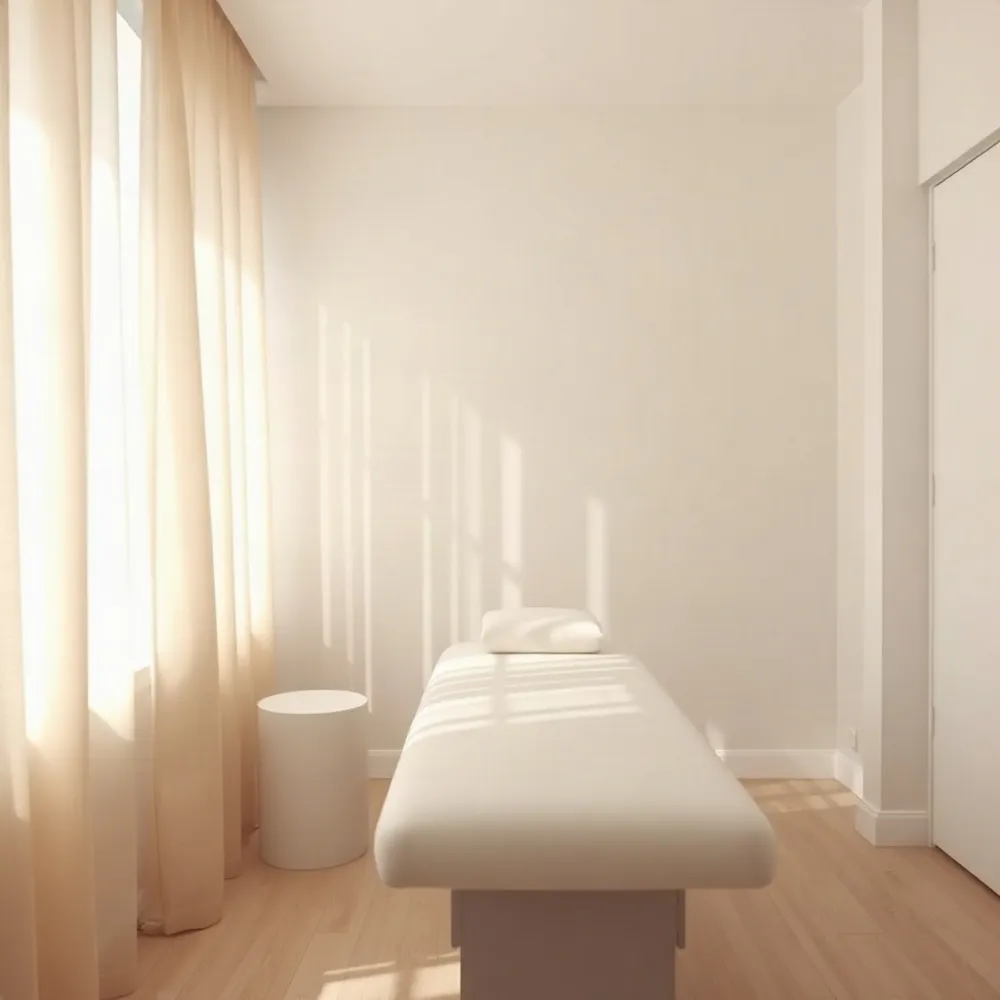 When you compare spinal decompression therapy to non-surgical spinal decompression, the terms often get used as if they mean the same thing. That is an understandable mix-up. In practice, the phrase "spinal decompression" is a broad category, and "non-surgical spinal decompression" is one specific approach within it. The surgical version, a laminectomy or similar procedure, is what most people picture when they hear the words. But it comes with incisions, anesthesia, and a longer recovery. The non-surgical route, which is what Osborne Chiropractic Clinic offers, works through a completely different mechanism and is designed for people who want relief without going under the knife.
Surgical decompression physically removes or reshapes tissue, such as trimming part of the lamina bone, to free a compressed nerve. That is a structural fix. Non-surgical spinal decompression, on the other hand, uses gentle, computer-controlled traction to cycle pressure within the disc. Think of it like a slow, rhythmic pull that creates a vacuum effect, encouraging bulging discs to retract and improving circulation of fluids around the spine. This distinction matters for your decision. If you are considering your options, spend a few minutes learning how non-surgical disc decompression actually works so you can see which method aligns with your goals.
Non-Surgical Decompression at a Glance
Mechanism:. Uses a table and strapping system to apply controlled traction, most often through the DRX9000. No cutting, no incisions, and no general anesthesia.
Target conditions:. Primarily addresses herniated discs, bulging discs, and sciatica. It can help with chronic back pain that has not responded to other conservative care.
Recovery:. Because there is no surgery, there is no hospital stay and no lengthy wound care. Patients typically resume normal activities shortly after each session, though a course of treatment involves multiple appointments.
Time commitment:. A typical session lasts 15 to 30 minutes, and a full care plan often runs several weeks. This is a commitment, but it is far less invasive than a surgical recovery.
Pain management:. Non-surgical decompression does not mask pain with medication. Instead, it creates a negative pressure environment in the disc that can draw oxygen and nutrients in, helping the body heal itself over time.
Where Surgical Decompression Still Fits
Surgical decompression remains the right choice in specific situations, such as when a disc fragment is pressing on the spinal cord or when there are signs of progressive weakness or loss of bowel or bladder control. These are emergency scenarios, and a surgeon is the correct first call. Cleveland Clinic's overview of spinal decompression notes that surgery is generally reserved for cases where conservative treatments have failed and the structural problem is severe. If you are receiving pressure on a nerve that has not resolved with a few months of care, surgery might be worth discussing.
But for the vast majority of disc-related pain, the American Chiropractic Association and other professional bodies point to non-surgical options as a reasonable first step. A 2009 review in PMC acknowledged the promise of non-surgical decompression, though it also called for more robust trials. More recent practice-based evidence is encouraging, but the takeaway is consistent: if you are not facing nerve compression that threatens permanent damage, you likely have time to try decompression therapy before considering surgery.
Why This Comparison Matters for Your Raleigh Pain
Your treatment choice should not be based on a definition alone. It should be based on your specific symptoms, imaging, and lifestyle goals. That is why Osborne Chiropractic Clinic starts every new patient with a thorough exam and a discussion of your pain patterns. If you have tried rest, heat, or medication without lasting relief, you might be a candidate for non-surgical decompression. The clinic's DRX9000 system and its careful, evidence-informed approach are designed to address the root cause of your pain, not just the symptoms.
| Non-Surgical Decompression | Surgical Decompression | |
|---|---|---|
| Incision | None | Yes, unless it is a minimally invasive procedure |
| Anesthesia | None beyond the local support device | General or regional |
| Hospital stay | None | Usually 1-3 nights |
| Recovery time | Short, can return to work soon after each session | Weeks to months |
| Mechanism | Traction and negative pressure on discs | Removal or reshaping of bone or tissue |
| Typical candidate | Disc herniation, bulging disc, sciatica without red flags | Severe compression, progressive neurological deficits |
Conditions That Spinal Decompression Can Help Treat
For many Raleigh families, the words "back surgery" trigger more anxiety than relief. That instinct is well founded: research shows that a significant share of disc-related pain can be managed without going under the knife. A review of non-surgical spinal decompression therapy notes that carefully selected patients with conditions like herniated discs and sciatica often respond well to this conservative approach. Rather than rushing toward an operating room, the first question should be whether your spine can be helped with gentle, targeted care.
Spinal decompression works by creating a controlled, intermittent pulling force along the spine. The result is a reduction in intradiscal pressure, which can allow a bulging or herniated disc to assume a healthier position and take pressure off irritated nerve roots. At Osborne Chiropractic Clinic, the team uses this technology for conditions that frequently bring people through the door, including chronic low back pain, neck stiffness, and radiating leg pain. The DRX9000 spinal decompression system provides precise, computer-controlled therapy, so each session is tailored to your body's tolerance rather than a one-size-fits-all routine.
What Conditions Respond Best?
Decompression therapy is not a cure for every ache, but it shines for specific mechanical problems. The Cleveland Clinic's guide to spinal decompression lists herniated discs, bulging discs, sciatica, and degenerative disc disease as common reasons people pursue this treatment. If you're dealing with a pinched nerve that sends shooting pain into your leg, or a stiff neck that won't let you turn your head comfortably, this approach may offer the relief you've been looking for without the downtime of surgery.
That said, decompression is not right for everyone. The same Cleveland Clinic resource notes that people with certain fractures, tumors, or advanced osteoporosis should not undergo this therapy. A thorough evaluation, including digital X-rays, is an essential first step. At Osborne Chiropractic Clinic, every new patient receives an examination that looks for red flags before any treatment plan is recommended. This is exactly the kind of personalized attention you want when your spine is involved.
Why Choose a Non-Surgical Path First?
Surgery has its place, but it carries real risks: infection, scarring, and the possibility that the original problem doesn't fully resolve. Non-surgical decompression offers a gentler alternative that targets the root cause of your pain. The Baylor Scott & White overview of spinal decompression explains that this therapy often works alongside chiropractic adjustments to restore proper spinal alignment and movement. When you combine decompression with a skilled chiropractor's hands-on care, you're addressing both the disc pressure and the joint dysfunction that usually accompanies it.
Patients in the Raleigh area frequently ask how decompression compares to traction or inversion tables. The difference comes down to precision. The DRX9000 at Osborne Chiropractic Clinic delivers a slow, gradual pull that cycles on and off, so your muscles can relax and the therapy can target the affected disc without triggering a guarding reflex. This level of control simply isn't possible with a home inversion table or a generic traction unit. You get the benefit of evidence-based technology delivered by a clinician who monitors your response every step of the way.
What to Expect During a Visit
If you're curious whether spinal decompression is right for you, the first step is simple: come in for an evaluation. The team at Osborne Chiropractic Clinic will review your history, perform a focused exam, and take digital X-rays if needed. From there, they'll recommend a plan that may include decompression sessions, chiropractic adjustments, and at-home exercises. Many patients notice less pain and improved mobility within the first few weeks of consistent care.
Of course, no treatment works miracles overnight. Non-surgical decompression is a course of care, typically requiring multiple sessions over several weeks to achieve lasting results. But for those who want to avoid the scalpel and the recovery time that comes with it, this path offers a compelling option. It's also a natural fit for the high-touch, educational approach that Raleigh residents have come to expect from their local chiropractor.
| Condition | Typical Symptoms | How Decompression Helps |
|---|---|---|
| Herniated disc | Radiating leg pain, numbness | Reduces pressure on the nerve root |
| Bulging disc | Localized back pain, stiffness | Allows the disc to retract from nerves |
| Sciatica | Shooting pain down the leg | Eases nerve root compression |
| Degenerative disc disease | Chronic ache, limited mobility | Increases hydration and disc height |
If you're tired of relying on painkillers or simply dreading the idea of surgery, Osborne Chiropractic Clinic offers a thoughtful, non-surgical alternative. Their team combines the latest decompression technology with hands-on chiropractic care to help you find relief from the inside out. Why not take the first step toward a freer, more comfortable life today?
Non-Surgical Spinal Decompression Options
If you’ve been living with back or neck pain, you’ve probably heard the term “spinal decompression” thrown around. But what does it actually mean? In simple terms, spinal decompression is a non-surgical treatment that gently stretches the spine to relieve pressure on the discs and nerves. This can be done surgically, but the non-surgical approach uses a motorized traction table to create negative pressure inside the disc, which helps take the load off the structures causing your pain.
Cleveland Clinic explains that this technique can be helpful for conditions like herniated discs, sciatica, and even degenerative disc disease. The idea is to create space, promote better blood flow, and give your body a chance to heal naturally. It’s not a “quick fix” – it’s a targeted therapy that, when done correctly, can address the root cause of your discomfort rather than just masking the symptoms.
How Non-Surgical Spinal Decompression Works
During a session at a Raleigh chiropractic clinic, you lie comfortably on a table, often one like the DRX9000 system that Osborne Chiropractic Clinic uses. The table gently pulls and releases your spine in a rhythmic pattern. This movement helps create that negative pressure in the disc, which can take pressure off nerves and reduce inflammation. Many patients find the process relaxing and fall asleep during their appointments.
It’s important to understand the mechanics of spinal decompression. Unlike a forceful adjustment, decompression is slow and controlled. Studies, including a 2007 review in the Journal of Back and Musculoskeletal Rehabilitation, suggest that this approach can be effective for certain disc problems, though more research is still needed. The takeaway: it’s a gentle, drug-free option that relies on your body’s own ability to heal.
The Difference Between Decompression and Other Therapies
Spinal decompression is often confused with traditional chiropractic adjustments or massage, but they’re not the same. Adjustments focus on aligning the spine and improving joint function, while decompression targets pressure within the discs themselves. Osborne Chiropractic Clinic combines both approaches, using adjustive techniques like Gonstead and Diversified alongside Decompression therapy to offer a more complete treatment plan.
For example, a chiropractor in Raleigh might use manual adjustments to improve mobility in one area, then add decompression to specifically unload a herniated disc. When a patient chooses Osborne Chiropractic Clinic over a clinic that only performs basic spinal manipulation or only offers a generic stretching program, they’re getting a tailored plan that addresses both joint restriction and disc pressure. Other pain relief options, like acupuncture, can complement the approach, but they don’t directly treat a bulging disc the way decompression does.
What to Expect During Treatment
Most decompression treatment plans run for several weeks, with sessions lasting about 20 to 30 minutes. You’ll typically need a series of visits to see lasting results. Osborne Chiropractic Clinic offers flexible scheduling, including extended office hours, so you can fit care into a busy week, whether that’s before work or during a lunch break.
Before any treatment, you’ll start with a thorough evaluation, including digital X-rays to pinpoint the exact source of your pain. This isn’t a one-size-fits-all approach; it’s a personalized plan. And unlike some surgical options, there’s no downtime. You can return to most activities right away, which is a major advantage for families, athletes, and anyone with a job that involves lifting or bending.
Is it Right for You?
Non-surgical decompression isn’t for everyone. It’s generally not recommended for pregnant women, people with severe osteoporosis, or those with certain spinal fractures. Cleveland Clinic advises a consultation first. A chiropractor in Raleigh can assess your condition, review your imaging, and help you decide if this path makes sense. The goal is always clarity about your options, not pressure.
If you’re tired of relying on pain medication or dreading the idea of surgery, spinal decompression could be the relief you’ve been searching for. It’s a research-informed, non-invasive approach that many Raleigh residents have found helpful. And with a clinic like Osborne Chiropractic Clinic that emphasizes education and high-touch care, you’re never alone in deciding what’s best for your body.
When Surgery Becomes Necessary
Walking into a chiropractic office for non-surgical spinal decompression often comes with a mix of curiosity and caution. The idea of treating a bulging or herniated disc without going under the knife sounds almost too good to be true. In practice, the process is gentle, methodical, and often far more comfortable than many patients expect. Before you book an appointment, it helps to understand exactly what happens during a session and how a clinic like Osborne Chiropractic Clinic in Raleigh approaches the treatment.
The Initial Evaluation
Every successful treatment plan starts with a thorough evaluation. At Osborne Chiropractic Clinic, the first visit includes a detailed health history, a physical examination, and often digital X-rays to pinpoint the exact source of your pain. This step is critical because it distinguishes between a disc problem that will respond to decompression and a condition that needs a different approach. You will not receive treatment until the care team understands your unique spinal mechanics.
The X-ray imaging used in this evaluation is state-of-the-art, allowing the chiropractor to see your spine in precise detail. This diagnostic clarity ensures that a non-surgical approach is appropriate and sets the stage for a personalized decompression plan. If you have questions about whether you are a candidate, that conversation happens right here, before any treatment begins.
During a Decompression Session
Once your plan is set, a typical session involves lying on a specialized table, often the DRX9000 spinal decompression system. You remain fully clothed, and the table gently stretches and relaxes your spine in a controlled, repetitive cycle. The goal is to create negative pressure within the disc, which can help retract bulging or herniated material and promote the inflow of nutrients to aid healing. The primary care team at the Spinal Decompression Therapy resource from Cleveland Clinic explains that this process is designed to relieve pressure on nerves and reduce pain.
Most sessions last between 20 and 30 minutes, and you may feel a stretching sensation, but rarely pain. Many patients find the experience relaxing and even fall asleep during treatment. The treatment is non-invasive and non-surgical, which is one of its most appealing features compared to more aggressive interventions. Because there are no incisions or needles, recovery time after each session is minimal, and you can return to your normal routine immediately.
The Course of Treatment
Spinal decompression is rarely a one-time fix. Most patients undergo a series of sessions spread over several weeks, with the exact number depending on your condition, symptom duration, and response to care. A typical course might involve 12 to 20 visits, but your chiropractor will adjust the plan based on your progress. The National Institutes of Health review of spinal decompression notes that results vary widely among patients, which is why a personalized, monitored approach matters.
The care team at Osborne Chiropractic Clinic emphasizes education alongside treatment. You will learn simple exercises, posture tips, and lifestyle adjustments to support your progress between visits. This active involvement helps you take control of your recovery and reduces the chance of the problem returning.
Feeling During and After Treatment
During the session, you might feel a gentle pull or a slight pressure in your lower back, but the sensation is typically mild. After a session, some people experience temporary soreness, much like after a workout. This is normal and usually fades within a day. More importantly, many patients report a noticeable reduction in radiating leg pain or sciatica immediately after their first few visits. The University of Utah Health guide on decompression therapy describes similar patient experiences, noting that relief often builds gradually as the spine heals.
Is It Safe and Who Should Avoid It?
Non-surgical spinal decompression is considered safe for most people with disc-related back and neck pain. However, it is not appropriate for everyone. Pregnant women, individuals with severe osteoporosis, spinal fractures, or certain spinal infections should not undergo this treatment. The Baylor Scott & White Health resource on spinal decompression outlines these contraindications clearly, and your chiropractor will review your history to ensure you are a good candidate.
During your consultation at Osborne Chiropractic Clinic, you will receive a thorough screening to rule out any conditions that would make decompression unsafe. This commitment to safety is a core part of the clinic's high-touch, evidence-based approach.
Combining Decompression with Other Chiropractic Care
Spinal decompression often works best when paired with other chiropractic techniques. At Osborne Chiropractic Clinic, the team uses Gonstead and Diversified adjustment methods to correct misalignments that may contribute to disc pressure. A combination of decompression to reduce disc bulging and adjustments to improve spinal alignment can be more effective than either treatment alone. This integrative approach is a hallmark of the clinic's philosophy, which focuses on treating the root cause of pain rather than just masking symptoms.
What About the Sciatic Nerve and Chronic Pain?
Many patients seeking decompression at Osborne Chiropractic Clinic deal with sciatic nerve pain that radiates down the leg. The gentle stretching of decompression can help relieve pressure on the sciatic nerve root, reducing that shooting pain and numbness. For those with chronic conditions like arthritis or degenerative disc disease, decompression may offer a non-surgical alternative to more aggressive interventions. The Veterans Affairs research summary on non-surgical spinal decompression points to promising results for disc-related pain, though it also notes that more high-quality studies are needed.
Safety and Preparation Summary
| What to Expect | Why It Matters | Example at Osborne Chiropractic Clinic |
|---|---|---|
| Thorough evaluation | Identifies the exact cause of pain | Digital X-rays before any treatment |
| Gentle stretching | Creates negative pressure in discs | DRX9000 system for controlled sessions |
| Series of sessions | Recovery takes time and consistency | Personalized plan, monitored progress |
| Mild, temporary soreness | Normal part of healing | Education on exercises and posture |
Understanding what happens during non-surgical spinal decompression can ease your mind and help you make an informed decision. If you're dealing with chronic back pain, sciatica, or a herniated disc, a consultation at Osborne Chiropractic Clinic can tell you whether this gentle therapy is right for you. You don't have to live with pain, and you don't have to rush to surgery.
How Decompression Differs From Traditional Treatment
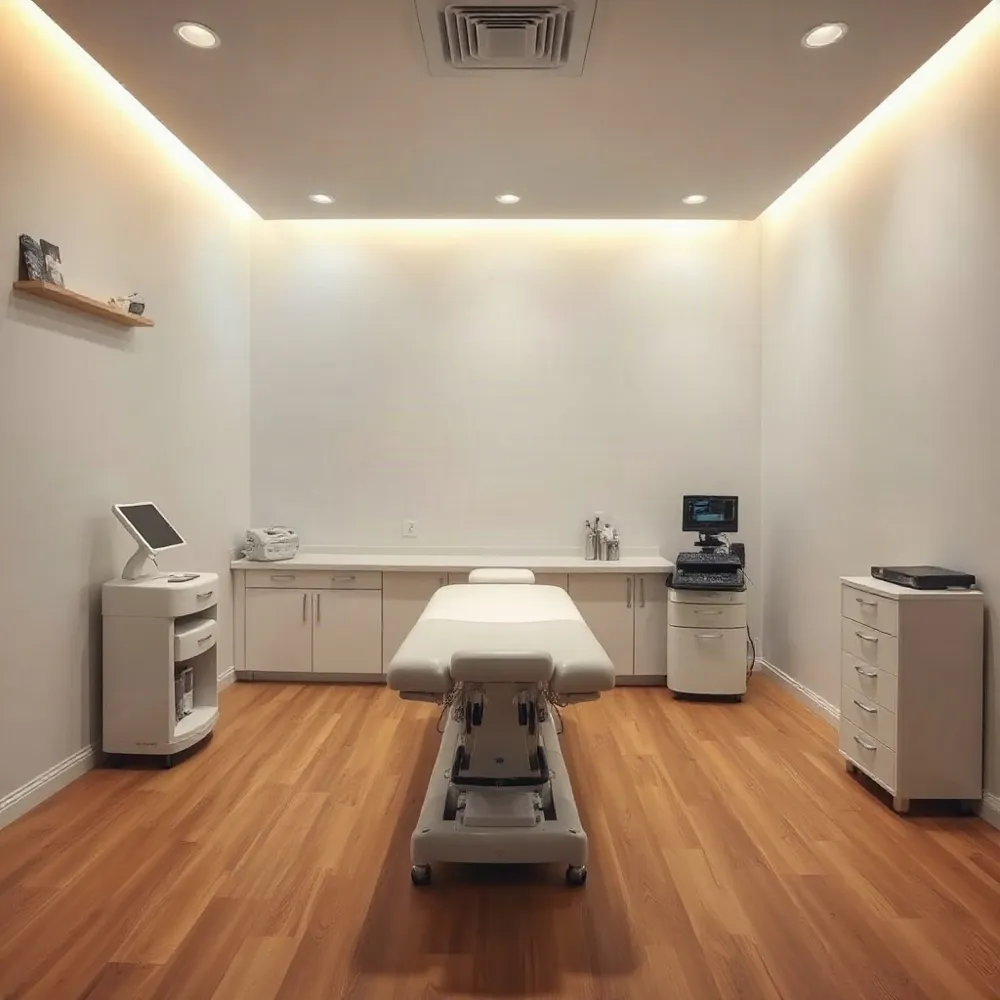 Choosing the right approach for back or neck pain often comes down to understanding how different treatments work. Non-surgical spinal decompression gently stretches the spine to create negative pressure within the discs, which can help retract a bulging or herniated disc and promote healing. It's a targeted, evidence-based option that differs significantly from general physical therapy, traction, or medication.
Mechanism. Spinal decompression uses a specialized table like the DRX9000 to precisely control the pulling force on your spine. This creates a vacuum effect that draws herniated disc material back into place and encourages nutrient-rich fluid to flow in, reducing pressure on nerves.
Scope. While physical therapy focuses on strengthening and stretching supportive muscles, decompression directly addresses the disc and nerve root. Traditional traction provides a static pull, often not as controlled or targeted as the intermittent cycling used in modern decompression therapy.
Outcome. Patients often report significant pain reduction and improved mobility after a series of decompression sessions. Unlike surgery, there's no incision, no hospital stay, and no lengthy recovery, making it an attractive first-line option.
The distinction matters in practice. A skilled chiropractor in Raleigh like Dr. Osborne combines decompression with manual adjustments to address both the disc problem and any misalignments in your spine. This integrated approach often yields more complete and lasting relief than any single treatment alone.
| Aspect | Spinal Decompression | Physical Therapy / Traction |
|---|---|---|
| Primary Focus | Retract disc, reduce nerve pressure | Strengthen muscles, static stretch |
| Technology | DRX9000 or similar device | Exercise equipment, manual therapy |
| Sessions Needed | Typically 12-20 over 4-6 weeks | Often ongoing, varies widely |
| Success Rates | Up to 80%+ for disc issues (per Cleveland Clinic) | Varies; often lower for disc-specific pain |
| Recovery Time | None; non-invasive | None; some soreness possible |
Your Care Plan at Osborne Chiropractic Clinic
If you have been living with chronic back, neck, or joint pain, you may have heard the term "spinal decompression" but still feel unsure about what it actually involves. At its simplest, this non-surgical approach gently stretches the spine to relieve pressure on the discs and nerves. Unlike more invasive options, the goal is to create a healing environment so your body can begin to repair itself naturally.
The Cleveland Clinic explains that spinal decompression therapy works by creating negative pressure within the disc, which can help retract herniated or bulging material and promote the flow of oxygen, water, and nutrients to the area. This process can ease pain, reduce muscle spasm, and improve mobility without the risks of surgery.
For many people, the most reassuring part is that the treatment is specifically designed to be gentle and controlled. Your body remains relaxed while a specialized table (such as the DRX9000 non-surgical disc decompression system used by Osborne Chiropractic Clinic) applies a precise, computerized pulling force. Sessions are typically comfortable, and most patients report feeling little to no discomfort during the process.
Of course, spinal decompression is not a one-size-fits-all solution. It is generally considered for conditions like herniated discs, bulging discs, sciatica, and even some cases of spinal stenosis. A thorough evaluation is required to determine whether this therapy aligns with your specific condition. At Osborne Chiropractic Clinic in Raleigh, our team takes the time to listen to your story, review your imaging, and craft a personalized plan that addresses the root cause of your pain, not just the symptoms.
How Decompression Compares to Other Options
When you are in pain, it can be tempting to jump at the first solution you hear about. But understanding your options helps you make the best decision for your body. Here is a quick breakdown of how spinal decompression compares to other common approaches.
Surgery. Invasive procedures like laminectomy or discectomy can provide relief, but they come with significant risks, long recovery times, and no guarantee of long-term success. Decompression offers a conservative first step that avoids cutting, scarring, and general anesthesia.
Medication. Painkillers and anti-inflammatory drugs can mask symptoms, but they do not fix the underlying problem. Decompression aims to heal the tissue rather than just quiet the pain, potentially reducing your long-term reliance on medication.
Traditional Chiropractic. Manual adjustments are effective for many spinal issues, but some patients prefer a more gradual, tech-assisted approach. Decompression provides a different mechanism that can complement or, in some cases, replace the need for repeated high-velocity adjustments.
Physical Therapy. Exercise and stretching are important for building strength and stability. Decompression often works best when combined with rehabilitative exercises, creating a more comprehensive recovery plan.
Every patient is unique, and what works for one person may not work for another. That is why a detailed consultation is essential. At Osborne Chiropractic Clinic, we take a collaborative approach, educating you about your condition and involving you in the decision-making process.
Common Questions About Decompression
You probably have questions, and that is a good thing. Here are answers to the questions we hear most often.
- Is spinal decompression painful? No. Most patients describe the sessions as deeply relaxing. You may feel a gentle stretch, but there should be no sharp pain.
- How long does a treatment course last? It depends on your condition and response, but many people notice improvement within 10 to 15 sessions, often after a tailored plan.
- Is the treatment safe? Yes, when performed by a trained professional. Every candidate is screened thoroughly to ensure they are a good match.
- Will I need ongoing care? Many patients find relief after the initial series, but some choose periodic tune-ups to maintain their progress and prevent recurrence.
Still curious? The National Institutes of Health note that while research on non-surgical decompression is ongoing, the available evidence supports its use for carefully selected patients. That is why a proper evaluation matters.
If you are searching for a natural, non-invasive path to pain relief, spinal decompression might be the answer you have been looking for. Your next step is simple: reach out to a chiropractor who listens and cares. At Osborne Chiropractic Clinic, we are here to help you understand your options and find a solution that works for your life.
Experience Drug-Free Back Pain Relief Today
 Living with back, neck, or disc-related pain can make even routine days in Raleigh feel exhausting. Many people want relief without surgery, and that's where non-surgical spinal decompression comes in. This gentle, evidence-based option uses a specialized table to create space between the vertebrae, reducing pressure on the discs and nerves.
At Osborne Chiropractic Clinic, the focus is on helping families, athletes, and individuals find lasting relief from conditions like herniated discs, sciatica, and chronic back pain. Spinal decompression therapy isn't a one-size-fits-all fix, but it's a powerful tool that often complements the personalized care offered in the clinic's hands-on adjusting rooms.
How Spinal Decompression Works
The basic idea is straightforward: by gently stretching the spine, decompression creates negative pressure within the disc. This can help bulging or herniated discs retract, taking pressure off nerves and encouraging proper fluid and nutrient flow. The DRX9000 system is one example of modern technology used for this purpose, and it's available right here in Raleigh.
Patients often ask about the difference between surgical and non-surgical decompression. Surgery carries risks, costs, and recovery time, while non-surgical spinal decompression is a more conservative approach. A Baylor study suggests this type of therapy can help with pain related to disc issues, but results vary. That's why a thorough consultation, like the one offered at Osborne Chiropractic Clinic, is to determine if you're a good candidate.
What to Expect During Treatment
If you're curious about what a session feels like, the DRX9000 table gently cycles through periods of stretching and relaxation. Most people find it comfortable, and sessions typically last 20 to 30 minutes. The goal is to create a relaxed, uneventful experience that supports your body's natural healing process.
At Osborne Chiropractic Clinic, treatment is anything but a one-size-fits-all program. Whether you're dealing with a sports injury or whiplash, the clinic combines decompression with targeted adjustments and education. That's why the clinic's high-touch approach, which includes extended hours and flexible payment options, makes it a practical choice for busy families.
Is Decompression Right for You?
Many patients wonder if this therapy is covered by insurance or if it's safe. The answer depends on your specific condition. Generally, people with herniated discs, bulging discs, or sciatica are often good candidates. However, it's not for everyone, so a professional evaluation is essential.
At your consultation, the care team at Osborne Chiropractic Clinic will review your history and goals. They use digital x-rays and advanced tools to get a clear picture of what's going on. That's a level of detail you can feel confident about.
Comparing Your Options
Surgery. Invasive, with significant downtime, potential complications, and higher costs. Only considered after conservative options fail.
Physical Therapy. Can be effective, but often requires multiple visits and may not directly address disc pressure the way decompression does.
Medication. Provides temporary pain relief but doesn't treat the underlying cause and can lead to dependency over time.
So before you consider more aggressive procedures, remember what Osborne Chiropractic Clinic offers: a non-invasive, spinal decompression solution that's backed by a caring team. It's not just about feeling better today; it's about building a foundation for long-term health.
Your Path to a Healthier Spine
When back or neck pain makes you wonder whether you need surgery, you have more options than you might think. Two of the most popular non-surgical routes are spinal decompression and chiropractic adjustments. Both work toward the same outcome, lasting pain relief without an operation, but they do it in different ways, and many patients find that combining them delivers the best result.
Approach. Spinal decompression uses a traction-based device, such as the DRX9000, to gently stretch the spine and create negative pressure that takes pressure off discs and nerves. Chiropractic adjustments use hands-on, precise spinal manipulations to restore proper joint motion and alignment. At Osborne Chiropractic Clinic, both methods are guided by technology like state-of-the-art x-ray imaging to pinpoint exactly where care is needed.
Best Suited For. Decompression is often ideal for disc-related conditions like herniated discs, bulging discs, sciatica, and degenerative disc disease. Chiropractic adjustments, delivered through Gonstead and Diversified techniques, are well-matched for general back and neck pain, joint restrictions, and headaches. Many patients find they need both: decompression to take pressure off a disc and adjustments to retrain the surrounding joints.
Experience. Decompression sessions are typically relaxing and non-invasive, with the patient lying on a motorized table, sometimes with a harness around the pelvis and trunk. Adjustments involve a quick, controlled thrust that may produce a popping sound, similar to cracking your knuckles. Both are gentle in skilled hands, and your care plan is personally tailored to how your body responds.
How Osteopathic and Medical Clinics Compare
Larger hospital systems and medical spine centers often offer spinal decompression as one part of a broader, surgery-heavy menu. They may route you through specialists, imaging, and referrals, and their approach can feel rushed. At Osborne Chiropractic Clinic, you get an independently owned practice where the same clinician who evaluates you also delivers your treatment. That means consistent, hands-on care over multiple visits, with extended office hours and flexible payment plans that fit a busy family schedule.
What Research and Clinical Experience Show
Evidence for spinal decompression is mixed, but the National Institutes of Health highlights ongoing debate about its effectiveness for discogenic pain. Still, clinical reviews note that non-surgical decompression can be a promising, lower-risk option compared to invasive surgery. The Cleveland Clinic explains that decompression works by creating negative pressure to promote healing, and the therapy is generally safe when performed by a qualified professional. Your best bet is to get a proper diagnosis, which is exactly what you'll receive at Osborne Chiropractic Clinic.
Combining Approaches for Faster, More Complete Relief
Many patients respond best when decompression and chiropractic care work together. Osborne Chiropractic Clinic designs personalized plans that may include both, alongside adjuncts like acupuncture and therapeutic exercises. This whole-person approach treats not just the painful area but also the underlying structural dysfunctions that cause it. A guide from a fellow chiropractic practice underscores that decompression is a tool for recovery, not a quick fix, which aligns with the patient education–first philosophy here.
How Raleigh Patients Decide What's Right for Them
In Raleigh, your choice between decompression and chiropractic care should be guided by a thorough exam, not guesswork. At Osborne Chiropractic Clinic, the first step is a comprehensive consultation with digital x-rays to see exactly what’s happening in your spine. From there, your clinician explains your options, whether that’s decompression, adjustments, or a combined plan, and answers your questions in plain language.
Your Next Step Toward a Pain-Free Life
You don't have to live with pain or face surgery to find relief. Whether you're dealing with a stubborn disc issue that hasn't responded to other care, or you're looking for a gentler, more consistent approach to back pain, Osborne Chiropractic Clinic is ready to help. Their caring staff, private adjusting rooms, and focus on measurable outcomes make them a trusted choice for families and athletes across Raleigh.