When Back Pain Keeps Returning
When back pain keeps returning, even ordinary routines can feel harder. Sitting through work, lifting groceries, keeping up with children, or getting back to exercise may take more effort than you expect. For Raleigh families and individuals, the first step is understanding what may be causing the pain rather than assuming one treatment fits everyone.
Non-surgical spinal decompression is one option some people ask about for back pain linked to spinal discs or nerves. It is not a guaranteed solution, and the broad term covers different treatments. A clinician can assess your symptoms, health history, and whether another approach may be more suitable. Cleveland Clinic’s overview of spinal decompression explains the range of options and the need for individualized care.
Osborne Chiropractic Clinic offers the DRX9000 non-surgical disc decompression system and describes its approach as hands-on, personalized care supported by patient education. That means discussing your concerns and treatment options, not assuming a device is right for every person.
This article looks at what the therapy involves, who may be considered, what research can and cannot show, and which risks and questions to discuss before starting. Evidence remains under study, so it is sensible to weigh potential benefits against alternatives and ask what a realistic plan would involve.
What Nonsurgical Decompression Involves
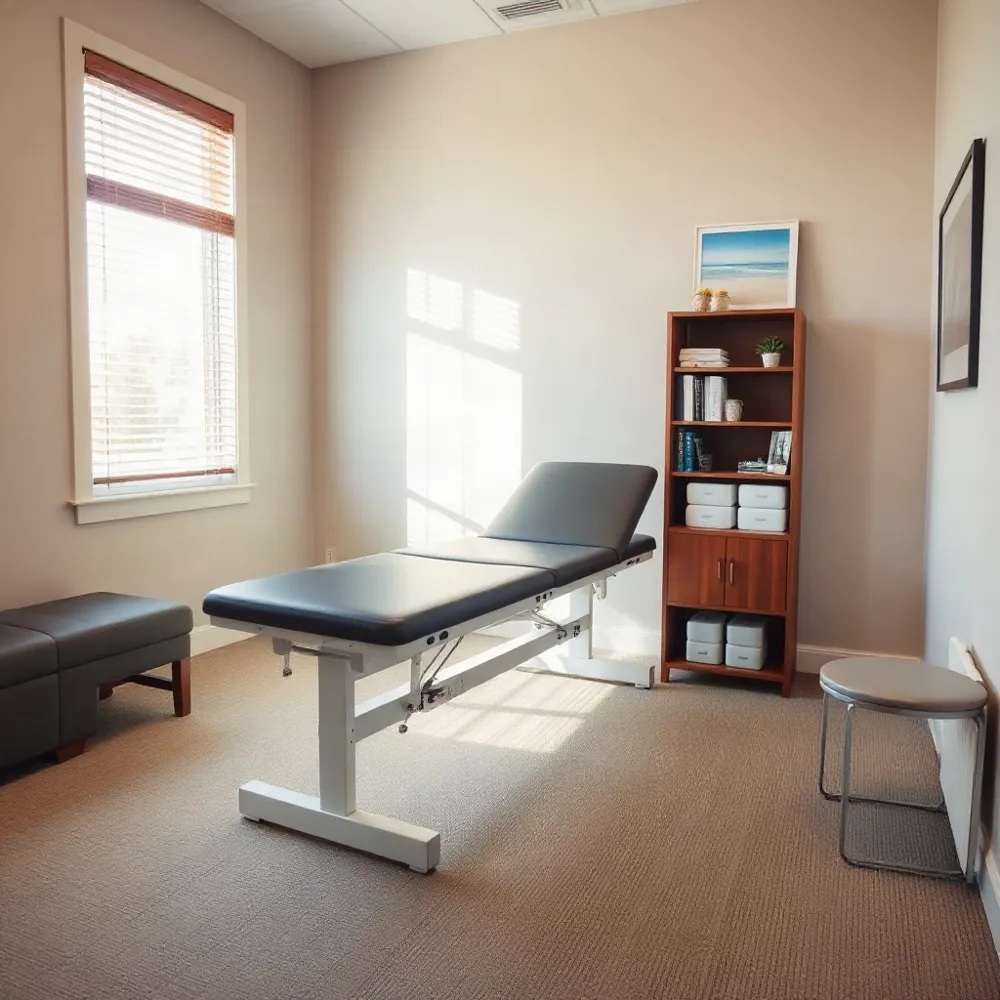 If you're dealing with back pain, you may have heard about spinal decompression. It's a term that covers several treatments designed to ease pressure on your spine and nerves. Nonsurgical decompression is different from surgery—it uses controlled traction, often with a motorized table, to gently stretch and relax your spine. The goal is to reduce pressure on discs and nerves, but relief isn't guaranteed for everyone.
At Osborne Chiropractic Clinic in Raleigh, we offer spinal decompression using the DRX9000 non-surgical disc decompression system as part of personalized care. It's important to know that results from other devices don't guarantee the same outcomes with the DRX9000, and what works for one person may not work for another.
Mechanical decompression is different from a chiropractic adjustment. Decompression uses controlled traction, while an adjustment involves spinal manipulation. Other options like physical therapy, acupuncture, and electrical nerve stimulation (TENS) might be discussed by your clinician, but these aren't interchangeable. Your provider can help match the right care to your specific needs.
Before starting any treatment, your clinician will likely review where you're feeling symptoms, your health history, and how pain affects your daily life. Depending on your situation, evaluation may include imaging like X-rays or other detailed scans. At Osborne Chiropractic Clinic, we focus on patient education and hands-on attention, so feel free to ask how the proposed approach fits your symptoms, what alternatives are available, and how your progress will be tracked.
Conditions That May Be Considered
Wondering which conditions might be helped by a non-surgical approach to spinal care? Your chiropractor may recommend it for back pain related to disc problems like bulging or herniated discs, pinched nerves, sciatica (leg pain that travels from the back), or spinal stenosis (narrowing of the spinal canal). These are possible reasons to explore this option, but they don't guarantee it will work for everyone. Cleveland Clinic’s overview of spinal decompression explains that these conditions are common reasons people consider decompression.
Sciatica is that pain, weakness, or tingling that runs down your leg. It can be linked to irritation or pressure on a nerve in your spine, but leg symptoms can have other causes too. That's why it's important to figure out what's really causing your pain before deciding on a treatment.
A diagnosis alone doesn't mean this treatment is right for you. A qualified professional should look at your symptoms, the likely cause and severity, any needed X-rays or MRIs, and your health history. The University of Utah Health’s explanation of decompression also points out the difference between non-surgical traction therapy and surgery—two very different options.
At Osborne Chiropractic Clinic in Raleigh, our team can talk with you about your symptoms and the options available, including our DRX9000 system for non-surgical disc decompression. That conversation will focus on whether this approach fits your situation, its limitations, and other alternatives—not on assuming every condition will respond.
What Evidence Can—and Cannot—Show
Many of our Raleigh patients have shared that they feel less pain or move more easily after nonsurgical spinal decompression, though results can vary and aren't guaranteed. For Raleigh patients weighing this option, it helps to treat decompression as one possible part of care rather than a proven fix.
A 2007 review of nonsurgical spinal decompression research found only a small body of studies, with generally weak methods. The review did not establish that decompression works better than other conservative options, such as exercise, spinal manipulation, or standard medical care. Its findings reflect research available at that time, not every study published since.
A later 2022 randomized trial offers a more recent, but still limited, piece of evidence. It studied 60 people with lower-back pain that can extend into the leg. Participants receiving decompression alongside routine physical therapy showed greater short-term improvement in several measured outcomes after four weeks than those receiving physical therapy alone.
That trial does not settle the question. It was small and short-term, the decompression group received extra treatment time, and researchers used a SPINE MT device rather than the DRX9000 used at Osborne Chiropractic Clinic. The study therefore does not show what results a Raleigh patient will have with the clinic’s equipment, or whether any improvement will last.
At Osborne Chiropractic Clinic, the DRX9000 is one available treatment option within a practice that emphasizes hands-on care and patient education. A useful conversation with your provider should cover the evidence and its limits, along with how your progress will be assessed and whether another approach may fit your needs better.
Before starting, ask what changes the care plan is intended to support, how many visits are proposed, what those visits may cost, and what alternatives are available. Avoid relying on a promised success rate or a claim that decompression will cure back pain or prevent surgery. Your symptoms, diagnosis, and response to care should guide decisions over time.
Who Needs Individual Screening
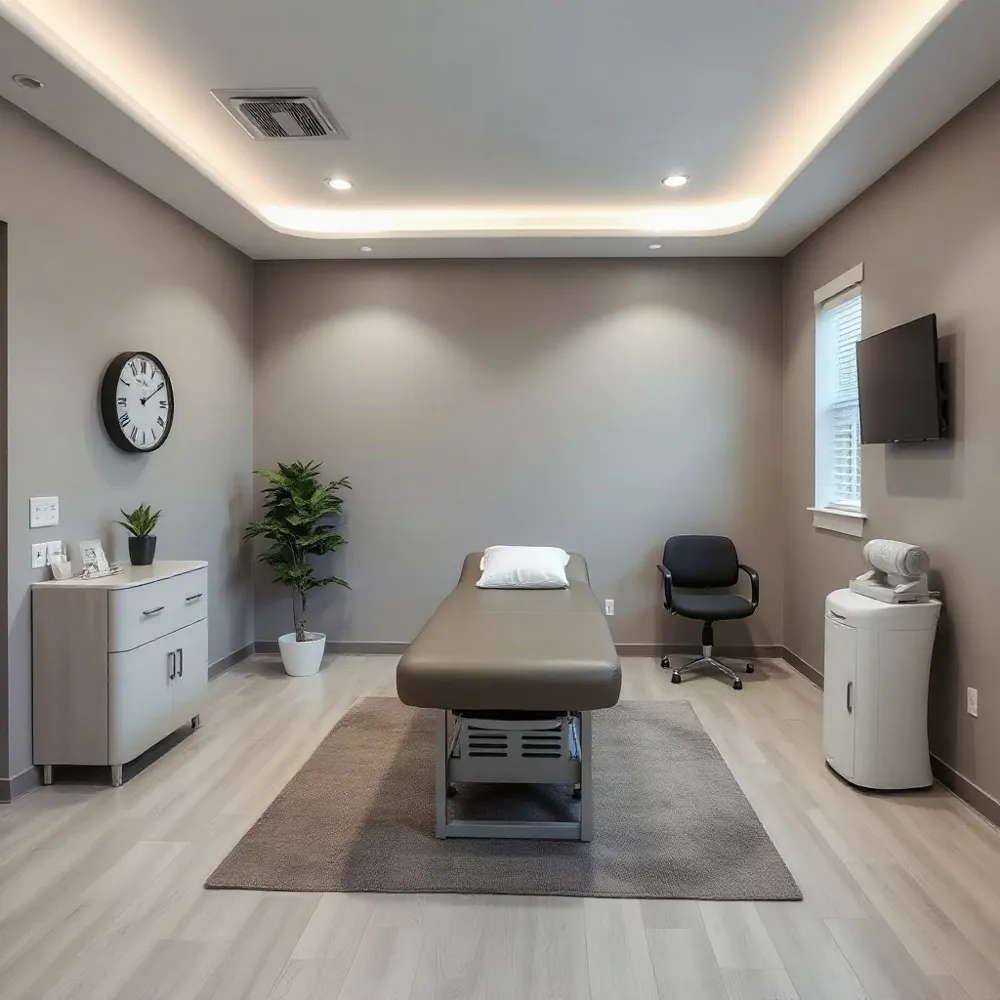 If you're an adult in Raleigh dealing with ongoing back or leg pain from a bulging, herniated, or degenerated disc, you might be a candidate for a non-surgical treatment called spinal decompression—especially if other treatments haven't brought relief. This isn't a diagnosis or a guarantee, but a possibility worth exploring. We'll start by reviewing your symptoms, health history, and goals to see if it's right for you.
At our clinic in Raleigh, we offer spinal decompression using the DRX9000 system, a non-surgical approach to relieve pressure on your discs. An assessment will help us recommend the best path for you—whether that's decompression, chiropractic adjustments, acupuncture, or a referral to another specialist. As the Cleveland Clinic notes, the right treatment depends on your health history and how severe your condition is.
Certain conditions—like pregnancy, spinal fractures, severe osteoporosis, spinal hardware or fusion, tumors, infections, or spondylolisthesis (a slipped vertebra)—may mean decompression isn't right for you, or needs extra caution. Taking blood thinners or having other conditions that affect spinal safety should also be discussed. This isn't a complete list, so please let us know about any prior spine surgery, recent injuries, implants, bone health concerns, pregnancy, or other significant medical conditions before we begin.
You might feel some soreness, stiffness, or discomfort from the positioning. Muscle spasms, fatigue, or a temporary increase in pain are also possible. If your symptoms get worse during treatment, let us know right away. And if you notice new or worsening weakness, numbness, or other nerve-related changes, seek medical care promptly.
Comparing Care Options
Chronic back pain care often begins with less invasive options, but the right approach depends on your symptoms, health history, and the likely cause of pain. For Raleigh patients, a conversation with a qualified clinician can help clarify whether disc-related pressure may be part of the problem and what treatments are appropriate.
Nonsurgical spinal decompression uses controlled traction to stretch the spine. Chiropractic adjustments, by contrast, focus on spinal movement and alignment, while physical therapy may address strength and mobility. Acupuncture and TENS, which uses mild electrical stimulation, are other approaches a clinician may discuss. These options are not interchangeable, and evidence for decompression remains mixed. Cleveland Clinic’s overview of spinal decompression describes several nonsurgical approaches and notes that treatment choice depends on the individual.
At Osborne Chiropractic Clinic in Raleigh, spinal decompression is offered with the DRX9000 system alongside chiropractic adjustments and acupuncture. A consultation can help you understand how these services differ and whether any may fit your situation, without assuming a particular treatment will work for everyone.
Medication may help manage symptoms, while surgery is a separate category of care. A surgeon may consider an operation for selected spinal problems when other treatments have not helped; nonsurgical decompression is not a substitute for surgery in every case. University of Utah Health’s explanation of decompression therapy distinguishes traction-based treatment from surgical procedures.
Ask a clinician what benefits and limitations are realistic, what alternatives are available, and whether an examination or imaging is appropriate. Osborne Chiropractic Clinic emphasizes hands-on care and patient education, so bring questions about your symptoms, prior treatments, and goals to help guide the discussion.
Costs and Longer-Term Expectations

How much does nonsurgical spinal decompression cost, and does insurance cover it?
We know that cost is an important consideration for Raleigh families. There isn't a one-size-fits-all price for nonsurgical spinal decompression. Your total will depend on factors like the initial evaluation, the number of visits recommended, and any additional services. Before you decide, we recommend asking for a full estimate of the treatment plan, not just the cost of a single visit.
Insurance coverage varies from plan to plan, so it's important to check with your provider directly. Ask whether nonsurgical decompression is covered and what conditions apply. At Osborne Chiropractic Clinic, we're happy to discuss your proposed plan and available payment options, but we always recommend confirming your benefits and costs before starting treatment.
Does spinal decompression provide lasting relief, or might symptoms return?
Many people experience lasting relief, but it's important to understand that decompression isn't a guaranteed permanent fix, and symptoms can return. Results depend on the cause of your pain and how your body responds. While treatment can relieve symptoms, it may not reverse every underlying issue, and natural changes from aging can continue.
Staying active and building strength can support your overall function as part of a personalized care plan, but no single approach can guarantee that pain won't return. At Osborne Chiropractic Clinic, we use the DRX9000 system for nonsurgical disc decompression. Many of our Raleigh patients have found it helpful. We'd love to discuss whether it might be right for you, how we'll track your progress, and what other options are available.
A Clear Next Step for Raleigh Readers
If your back pain is not improving with rest, pain relievers, or hot and cold packs, seek guidance from a qualified healthcare provider. An assessment can help identify possible causes and clarify which options may fit your health history and symptoms. Cleveland Clinic’s guidance on spinal decompression recommends discussing persistent pain and treatment concerns with a provider.
At Osborne Chiropractic Clinic, Raleigh patients can ask about the clinic’s DRX9000 non-surgical disc decompression system as one option alongside its other chiropractic services. Bring questions about suitability, risks, the limits of current evidence, expected visits, costs, and how progress would be measured. The clinic’s hands-on, educational approach can help make that conversation practical and personal.
A thoughtful next step is not a promise of relief. It is a chance to understand your choices and decide, with a qualified provider, what makes sense for you. We wish you and your family well as you seek care.