Small Changes for Everyday Comfort
The way you sit at a desk, stand in the kitchen, carry groceries, or bend to pick something up can add to everyday back strain. Repetitive tasks may create muscle tension, so small adjustments to how you move and position yourself can be a practical place to start, as Harvard Health explains.
Good posture is not one rigid pose to hold all day. It takes practice, and changing position and moving regularly matter too. For Raleigh families and individuals, a comfortable routine can begin with noticing how your body feels during ordinary activities and making one manageable change at a time.
These general suggestions are not a diagnosis or an individualized treatment plan. If back discomfort persists, worsens, follows an injury, or comes with other concerning symptoms, consult a qualified clinician. An assessment at Osborne Chiropractic Clinic can take your health history and daily activities into account when discussing care.
What Good Posture Looks Like
 Posture describes how you hold your body both when still and when moving. It includes sitting at a desk, standing in the kitchen, walking, and bending or lifting during everyday tasks. MedlinePlus’s Guide to Good Posture explains that both static and dynamic posture matter, so alignment is worth noticing beyond your chair.
A simple cue is to keep your head above your shoulders and your shoulders over your hips, while allowing the spine’s natural curves to remain. Think comfortable and balanced, not stiff or pulled into an exaggerated position. Slouching may contribute to back, neck, or shoulder discomfort and can reduce flexibility, but posture is only one part of back health.
Staying active and maintaining a healthy weight also support back health, as MedlinePlus’s posture guidance notes. At Osborne Chiropractic Clinic in Raleigh, care can include education alongside hands-on services, helping patients consider how daily habits relate to their comfort.
There is no need to hold one supposedly perfect position for hours. Aim for comfortable alignment, then change position and move regularly. Small resets during the day are more practical than trying to sit or stand rigidly.
Set Up Your Workday for Less Strain
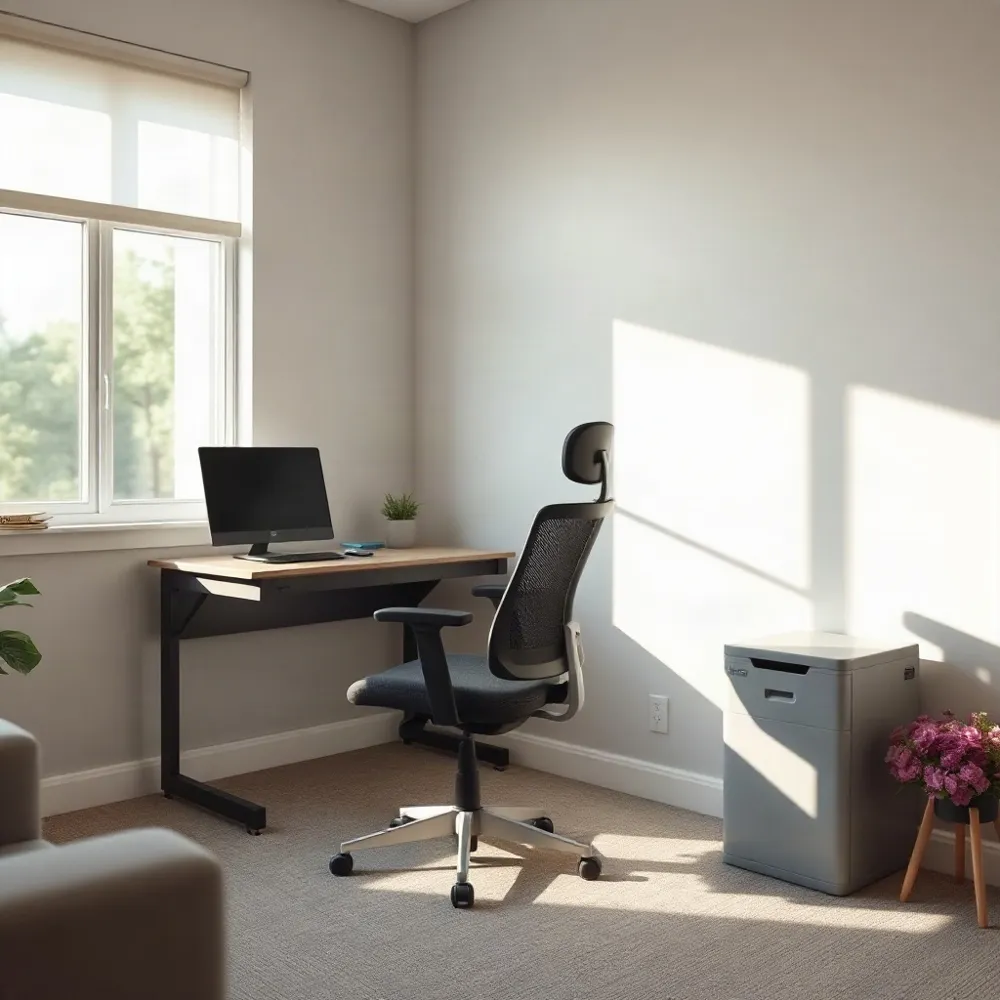 A few changes to your desk setup can make long work sessions more comfortable. Choose a chair that supports your back, sit with your feet flat on the floor or on a footrest, and keep your lower back supported. Position the monitor straight ahead, with the screen near eye level, so you do not have to lean forward to see it. Mayo Clinic’s office ergonomics guide offers practical setup advice.
Keep your keyboard and mouse close enough to reach without stretching. Let your shoulders relax, keep your elbows near your sides, and align your wrists with your forearms while typing. If an item is out of comfortable reach, stand up to get it rather than twisting or leaning across the desk.
If your work involves standing, avoid staying in one position for long stretches. Shift your weight, wear supportive footwear, and take chances to sit or walk. A sit-stand desk can make it easier to vary your position, but standing still all day is not the goal. UCLA Health’s workstation guidance also recommends alternating between sitting and standing.
How can you reduce discomfort from prolonged sitting or standing? Change position and, when practical, take a brief walk or gentle stretch about every 30 minutes. A well-arranged workstation helps, but movement breaks still matter. Raleigh workers who spend much of the day at a desk can also ask Osborne Chiropractic Clinic about its hands-on care and individualized guidance. Stop any movement that increases pain. If discomfort persists, worsens, or travels down a leg, seek advice from a healthcare professional.
Make Sitting and Sleep More Comfortable
A comfortable sitting position should support your back without making you feel stiff or held in place. Sit back in the chair, keep your feet flat on the floor or a footrest, and aim for knees roughly level with your hips. Let your shoulders relax and avoid slumping. MedlinePlus posture guidance also recommends changing positions, taking brief walks, and stretching gently to ease muscle tension.
For sleep, choose a position that feels comfortable and keeps your spine aligned. Side sleepers can try placing a pillow between slightly bent knees; back sleepers may find a pillow under the knees more comfortable. If you sleep on your stomach, try another position if that feels manageable. If not, a pillow under the hips and lower stomach may help reduce strain. These are comfort adjustments, not guaranteed treatments. Hartford HealthCare’s back-pain guidance also describes pillow placement as one option for supporting a more neutral sleeping position.
If pain persists or worsens, talk with a healthcare professional rather than relying on position changes alone. At Osborne Chiropractic Clinic in Raleigh, a hands-on evaluation can consider your symptoms and daily habits when discussing care options.
Build Movement Into Your Routine
Regular movement complements posture awareness and can help ease the strain of sitting for long periods. Walking and gentle exercises such as bridges or modified planks work muscles that support the spine. Start at a comfortable level, and stop if a movement increases your pain.
Harvard Health suggests picturing a line through your ears, shoulders, hips, knees, and ankles when standing. While seated, try a shoulder-blade squeeze: sit upright, relax your shoulders, gently draw them back, and hold for five seconds. You can also face a corner and lean forward gently for a chest stretch, holding for 20–30 seconds, or draw one bent arm across your chest for 20 seconds per side. See Harvard Health’s posture practices for the full instructions.
Make movement easier to remember by pairing it with an existing cue, such as getting up from your desk, a scheduled break, or lunchtime. Change position regularly, keep your feet supported, and bring your screen near eye level. A short walk or a few gentle stretches can be enough to interrupt a long stretch of sitting.
When lifting, keep the item close to your body, bend at your hips and knees, and avoid twisting while carrying it. If back pain persists or exercise makes it worse, ask a healthcare professional for guidance tailored to your needs. At Osborne Chiropractic Clinic in Raleigh, hands-on care can be paired with education about daily activities and movement habits.
When Chiropractic Care May Be an Option
 If back pain is affecting work, sleep, or family activities, a chiropractor can help assess whether conservative care is suitable. Research summarized by Duke Health indicates spinal manipulation may ease pain and improve function for some people with acute low-back pain. It is not right for everyone, and it does not guarantee a cure or prevent future pain.
At Osborne Chiropractic Clinic in Raleigh, care may include hands-on spinal adjustments or mobilization, exercise guidance, and self-care recommendations. After an assessment, the chiropractor can discuss whether Gonstead or Diversified adjustments, or another service, fits your symptoms and health history.
Can chiropractic care help with lower back pain?
It may help some people move more comfortably, but the best approach depends on the cause of the pain, other symptoms, and personal health factors. Mild, temporary soreness or stiffness can occur after spinal manipulation. Ask what effects to expect, how progress will be measured, and how the plan may change if you are not improving.
What does a chiropractor do to evaluate and treat back pain?
A chiropractor typically asks when the pain began, what makes it better or worse, how it affects daily activities, and about health history and previous injuries. The examination may include posture, spinal movement, and range of motion, with checks of strength, sensation, or reflexes when appropriate. At Osborne Chiropractic Clinic, findings and goals can guide a discussion of adjustments, gentle mobilization, soft-tissue care, exercises, or whether spinal decompression may be appropriate.
Imaging is considered when clinically appropriate, though many people do not need it at an initial visit. A chiropractor may recommend medical evaluation or coordinate with another healthcare professional if symptoms suggest a problem beyond chiropractic care. Seek prompt medical attention for severe or rapidly worsening pain, new leg weakness, numbness around the groin, or loss of bladder or bowel control.
Know When to Seek Medical Evaluation
Back pain is not always caused by posture, and chiropractic care is not suitable for every cause or every person. Your symptoms, health history, and examination should guide whether treatment is appropriate. A chiropractor may also recommend medical evaluation or another next step when symptoms call for it.
Can chiropractic care help with back pain related to arthritis or a bulging disc?
Care may help some people manage pain or improve mobility, but it cannot reverse arthritis or repair a disc. At Osborne Chiropractic Clinic, an evaluation helps inform an individualized approach. Imaging may be considered when appropriate, and gentler techniques or spinal decompression may be discussed if suitable. These options are not right for everyone, and results are not guaranteed. MedlinePlus guidance on chiropractic care notes that some conditions can make spinal manipulation unsuitable.
Is chiropractic care safe for back pain, and when should I seek medical attention first?
For some people with uncomplicated back pain, chiropractic care may be a conservative option, but mild soreness or stiffness can occur after an adjustment. Seek urgent medical attention for new loss of bladder or bowel control, numbness around the groin or inner thighs, significant or worsening leg weakness, or severe pain after a serious injury.
Contact a medical professional promptly if back pain comes with fever, unexplained weight loss, a history of cancer, or pain that is severe, worsening, or not improving. Tell your chiropractor about these symptoms and your health history so they can discuss whether treatment is appropriate or recommend medical evaluation first.
Make Practical Habits Your Starting Point
Comfortable alignment, regular movement, and a thoughtfully arranged workspace can help reduce everyday strain. You do not need to change everything at once. Choose one or two adjustments, such as taking brief walking breaks or bringing frequently used items within easy reach, and make them part of your routine. MedlinePlus guidance on good posture also recommends changing positions and moving regularly.
If pain persists, worsens, or comes with concerning symptoms, seek advice from a qualified health professional rather than assuming posture is the cause. Raleigh residents can discuss their symptoms and daily routines with Osborne Chiropractic Clinic, where care may include a personalized assessment and options such as adjustments, acupuncture, or spinal decompression when appropriate. An assessment can help guide next steps, without guaranteeing a particular result.