Wellness Starts With Individual Needs
Preventive wellness can begin with noticing how comfortably you move, whether stiffness keeps returning, and how everyday activities affect your back, neck, or joints. The aim is to address musculoskeletal concerns thoughtfully, not to promise that care will prevent disease or all future pain.
Chiropractic care may be considered for a specific concern or as one part of a personal wellness plan. A prevention-focused approach may include assessment, self-care guidance, and attention to lifestyle factors, while remaining complementary to appropriate medical care. A review discusses this potential role, but notes limits in the evidence and does not establish chiropractic care as a way to prevent disease review of prevention-focused chiropractic care.
For Raleigh families, athletes, and people managing pain or recovering from injury, Osborne Chiropractic Clinic offers hands-on care and patient education at its independently owned practice. Conversations about your goals and daily routine can help shape an approach that fits your needs, rather than assuming the same plan works for everyone.
What Chiropractic Care May Help Manage
 Chiropractic care may help some people manage lower-back and neck pain. Hands-on treatment may be paired with movement or exercise advice, with the aim of supporting comfort and function. Results vary, and care is not a guaranteed fix. A 2023 discussion of prevention-focused chiropractic care describes possible roles in managing back and neck pain, while noting limits in the evidence and context of its recommendations review.
For Raleigh residents, Osborne Chiropractic Clinic provides care for concerns including joint discomfort, sciatica, whiplash, and pain associated with sports, work, or auto-accident injuries. Its hands-on approach includes traditional adjustments, with care tailored to each person’s symptoms and health history.
Some people also ask about recurring headaches or migraines. Causes can differ, and evidence for chiropractic treatment of these concerns is less certain, so relief should not be promised or assumed. An assessment and conversation about your symptoms, medical history, and goals can help determine whether chiropractic care is reasonable or whether another health professional should be involved.
At Osborne, that discussion can help guide the choice of care, which may include adjustments or other services the clinic offers. Share any changes in your symptoms and raise questions about risks or alternatives so the plan can be considered in light of your needs.
Set Realistic Expectations From the Evidence
How strong is the evidence for chiropractic care, and what benefits can patients reasonably expect? Spinal manipulation is one non-drug option that may help some people with low-back pain. Research summarized by the National Center for Complementary and Integrative Health suggests it can lead to small improvements in pain and physical function for some patients. Relief is not guaranteed, may be modest, and does not replace self-care or other recommended treatment.
Evidence varies by condition. Some people may find care helpful for neck pain, but results differ, and evidence for headaches is less certain. Chiropractic care should not be described as a cure-all, a proven way to prevent disease, or a substitute for medical attention when symptoms need evaluation.
A 2023 discussion in Cureus explored a possible prevention-focused role for chiropractors in primary care in Hong Kong. Its recommendations address that local healthcare context, and the authors note limits in the evidence and analysis. The article proposes potential benefits, but does not prove that chiropractic care prevents disease or establish outcomes for Osborne Chiropractic Clinic. Read the Cureus discussion.
At Osborne Chiropractic Clinic in Raleigh, the practice profile emphasizes patient education and measurable outcomes. Discuss goals with your chiropractor, such as easing pain, moving more comfortably, or returning to a daily activity, then agree on how to track progress. If care is not helping as expected, ask about adjusting the plan or considering other options.
Discuss Safety and When to Seek Medical Care
 Most people do not experience serious problems after an adjustment, but temporary soreness, stiffness, or a short-lived increase in symptoms can occur. A 2023 review reported 2.1 severe adverse events per 100,000 manual-adjustment visits, a finding that should not be read as proof that care is risk-free or right for everyone (review of prevention-focused chiropractic care).
Your individual risks depend on your health history and the technique being considered. Before care, tell your chiropractor about medical conditions, medications, recent or past injuries, and anything that worries you. At Osborne Chiropractic Clinic, patients can discuss their preferences with a practitioner who provides hands-on care using Gonstead and Diversified methods, and ask whether a gentler approach or another option may be appropriate.
Seek urgent medical care for sudden, severe pain; new weakness or numbness; trouble speaking or walking; vision changes; or a severe, unusual headache. These symptoms need prompt assessment rather than a routine chiropractic appointment.
Contact a healthcare professional if symptoms worsen, follow a significant injury, or are not improving. Chiropractic care may complement medical evaluation, but it should not replace it when another type of assessment or treatment is needed. Osborne Chiropractic Clinic’s education-focused approach includes discussing concerns and referring patients when symptoms call for medical care beyond the clinic’s services.
Make Visit Frequency a Shared Decision
How often should you see a chiropractor, and is ongoing or monthly care worthwhile? There is no single schedule for everyone. Visit frequency can depend on your symptoms, examination findings, goals, response to care, preferences, and budget.
For an active problem such as back or neck pain, sciatica, or an injury, visits may be closer together at first and spaced out as symptoms improve. Ask how progress will be measured and when the plan will be reviewed. At Osborne Chiropractic Clinic, personalized, hands-on care and patient education can support discussions about whether your plan should change as your needs change.
Some people consider periodic or monthly visits to manage recurring stiffness or support activity goals. Ongoing care is not required for everyone, and it should not be framed as a proven way to prevent all future pain. A review of maintenance care suggests it may reduce the burden of bothersome pain for selected people with recurrent or persistent low-back pain who responded well to initial treatment, but that finding does not apply to every patient. Read the maintenance-care research summary.
Before agreeing to a schedule, check your insurance benefits, visit limits, and out-of-pocket costs. Coverage may differ between care for a diagnosed condition and visits intended for maintenance. Discuss the options openly so that any ongoing care fits your health goals and budget.
Know What to Expect at an Appointment
Most chiropractic adjustments can be performed while you remain dressed. Choose comfortable, flexible clothing that lets you move and lie down easily. Stretchy pants and a simple top are practical choices, while tight jeans, skirts, bulky layers, or restrictive belts may make positioning less comfortable.
If an examination or another service requires changing clothes, the clinic should explain the reason beforehand and provide privacy. For practical questions about what to wear or what a visit involves at Osborne Chiropractic Clinic, contact the team before arriving.
A wellness-oriented appointment may begin with a check-in about your symptoms, daily activities, and goals. The chiropractor may assess your movement or other aspects of your condition, then discuss care options. Depending on your needs, the visit could include hands-on care or guidance on exercises, posture, or other self-care.
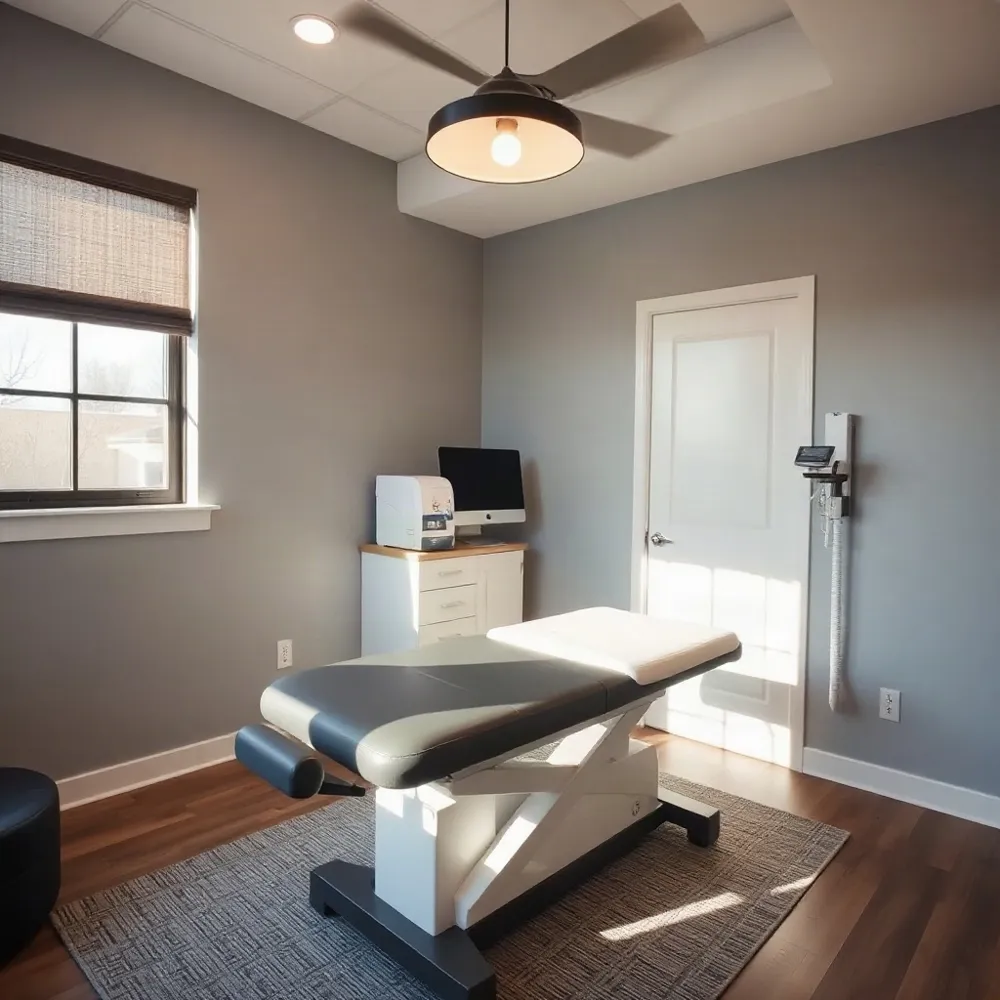
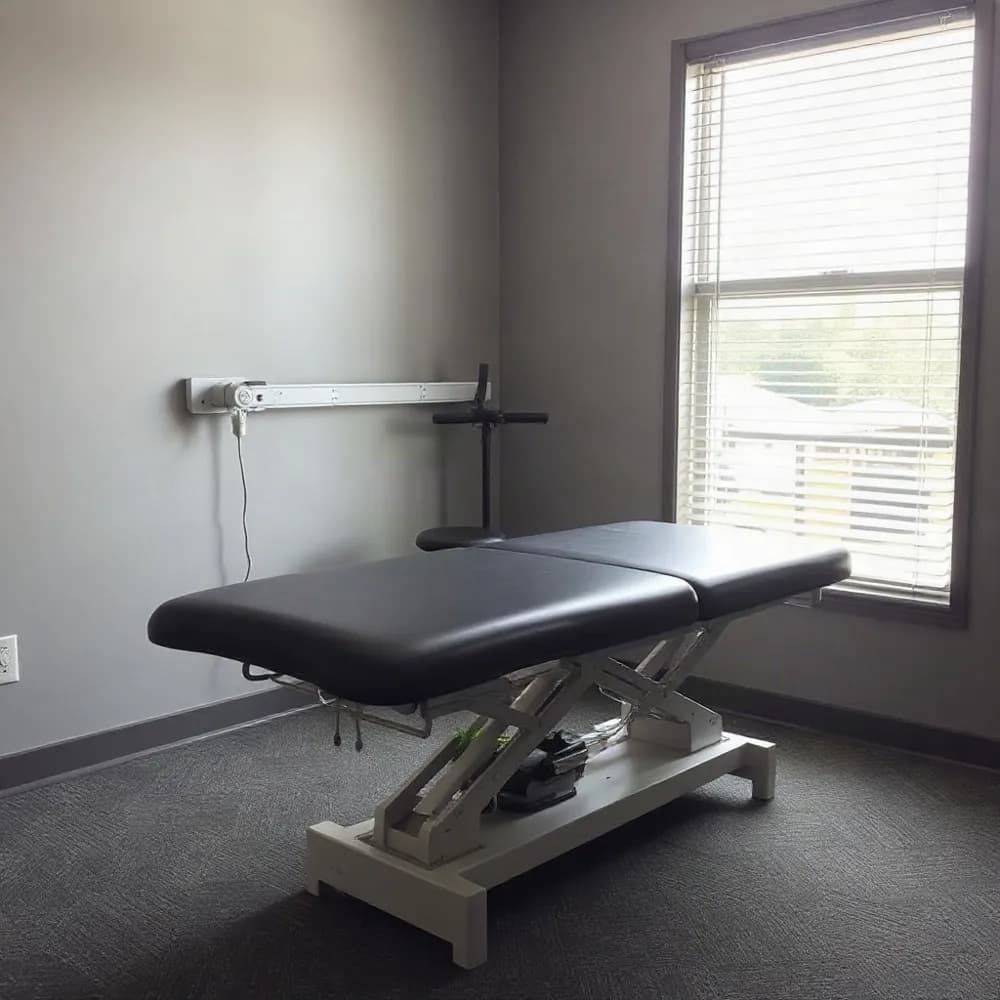
Osborne Chiropractic Clinic describes its care as private and hands-on, provided in comfortable adjusting rooms. The exact assessment and treatment can vary by person, so ask questions and share any concerns during your visit. Not every appointment is the same length, and immediate results are not guaranteed.
Considerations for Children and Parents
 Is chiropractic care appropriate for children? It may be considered for a child with a musculoskeletal concern, but suitability depends on the child’s age, health, symptoms, and the treatment being proposed. A technique appropriate for one child may not be appropriate for another.
Research on the benefits and safety of chiropractic care in children is limited, so it should not be presented as a cure-all or a replacement for advice from a pediatrician. The evidence also does not support assuming that every child needs an adjustment.
Osborne Chiropractic Clinic lists pediatric care among its services for Raleigh families. That means parents can ask about the clinic’s approach, not that every child is a candidate. Discussing the child’s needs and health history should come before considering any treatment.
Before proceeding, ask the chiropractor about their training and experience with children, the specific technique proposed, and its potential benefits and risks. Find out how care would be adapted to your child’s age and condition, and how progress would be assessed.
Also ask what changes or symptoms should prompt medical evaluation, and when the chiropractor would coordinate with your child’s pediatrician. For ongoing concerns or uncertainty about a symptom, checking with the pediatrician can help ensure the child receives appropriate care. A clear discussion of goals, alternatives, and follow-up gives parents a practical basis for deciding whether to proceed.
Understand Wellness and Maintenance Care
Chiropractic visits may address an active concern, such as back or neck pain, or continue after symptoms improve as wellness or maintenance care. These periodic visits are intended to support comfort and function, not to guarantee that pain, injury, or disease will be prevented.
Whether ongoing care makes sense depends on your needs, response to treatment, goals, and preferences. At Osborne Chiropractic Clinic in Raleigh, the discussion can include how you are moving and feeling, along with measurable goals for care. New or worsening symptoms should prompt an evaluation rather than being assumed to be part of routine maintenance.
Wellness visits may also include practical steps you can use between appointments. A 2023 review in Cureus discusses ergonomic guidance, therapeutic exercise, stretching, and lifestyle counseling as ways chiropractors may support patient self-care, while presenting prevention-focused care as a potential role rather than proof that chiropractic prevents disease. The review describes these approaches in the context of Hong Kong, so its policy recommendations should not be treated as U.S. guidance.
Ask your chiropractor which parts of a plan involve hands-on care and which involve self-care, and how progress will be assessed. Osborne Chiropractic emphasizes personalized attention and patient education, which can help make those discussions specific to your daily routines and priorities.
Before scheduling ongoing visits, check your health plan’s coverage, visit limits, and out-of-pocket costs. Insurers may handle maintenance visits differently from treatment for a diagnosed condition, and coverage varies by plan. Confirm the details with your insurer and the clinic so you understand the cost before committing to a schedule.
Choose Care That Fits Your Goals
For Raleigh families and individuals, chiropractic care can be one part of a broader approach to musculoskeletal wellness, alongside movement, self-care, and appropriate medical care. Discuss expected benefits, possible risks, and alternatives with a qualified provider, since results and suitability vary by person.
Before starting or continuing care, ask how a proposed plan relates to your symptoms and daily activities. Agree on practical measures of progress, such as comfort, mobility, or the ability to complete a specific task, then review whether those goals are being met. A 2023 review describes chiropractic care as potentially complementary to broader healthcare and supports collaboration and referral when appropriate, not as a replacement for needed medical services (review of prevention-focused chiropractic care).
At Osborne Chiropractic Clinic, personalized, hands-on care and patient education are part of the practice’s stated approach. Ask whether an individualized plan fits your needs, and involve other health professionals if symptoms persist, change, or call for additional evaluation.