Understanding Your Options
If you’re looking for pain relief in Raleigh, you may wonder how chiropractic adjustment styles differ and what those differences mean for comfort. The answer depends on the approach, your health history, and what an examination shows.
At Osborne Chiropractic Clinic, care may include Gonstead or Diversified adjustments. These are different approaches to assessing and treating joints, but the choice should follow an individual evaluation and a discussion of your preferences. A chiropractor typically reviews your health history and examines the areas causing concern before recommending care, as Mayo Clinic’s overview of chiropractic adjustment explains.
It helps to keep the evidence in perspective: research reviews generally assess spinal manipulation and mobilization as broad categories, rather than testing Gonstead directly against Diversified. A review of care for neck and low-back pain found that outcomes can be similar to other conservative options, such as exercise, while noting that results vary. It does not establish that either named approach is best for spinal alignment or for every patient. At Osborne, the practical starting point is an assessment and a conversation about an approach that suits your needs.
What Chiropractic Care May Address
People in Raleigh often seek chiropractic adjustments for lower-back or neck pain, muscle and joint discomfort, stiffness, or trouble moving freely. Some also ask about care for sciatica, headaches that may be linked to the neck, or pain after a sports, work, or auto-accident injury. Whether chiropractic care is appropriate depends on what is causing the symptoms and on a person’s health.
Research on spinal manipulation mainly concerns non-specific or chronic primary neck and low-back pain, and finds it can be comparable to other conservative options such as exercise or physical therapy. It does not establish that adjustments work for every condition or person, and it does not replace medical evaluation when symptoms suggest another cause. The evidence review also does not rank individual chiropractic techniques.
At Osborne Chiropractic Clinic, an assessment can help determine whether hands-on adjustments, acupuncture, or spinal decompression may be suitable options. These services address different needs, and a clinician should consider your symptoms and health history before recommending a plan. Chiropractic care can also be part of broader conservative care, rather than a stand-alone answer.
Tell a health professional about pain that is severe, worsening, unusual, or persistent, especially when it comes with new weakness or numbness. Some symptoms require evaluation or treatment beyond chiropractic care. Cleveland Clinic likewise describes adjustments as complementary to traditional medical care and recommends screening to determine whether they are appropriate (chiropractic adjustment guidance).
How Adjustments Are Performed
 A spinal adjustment starts with a conversation about your symptoms, health history, and goals. The chiropractor then checks your movement and examines the area of concern. This assessment helps determine whether an adjustment is appropriate and whether further tests or imaging may help guide care. Mayo Clinic’s overview of chiropractic adjustment describes this history and examination as part of a typical first visit.
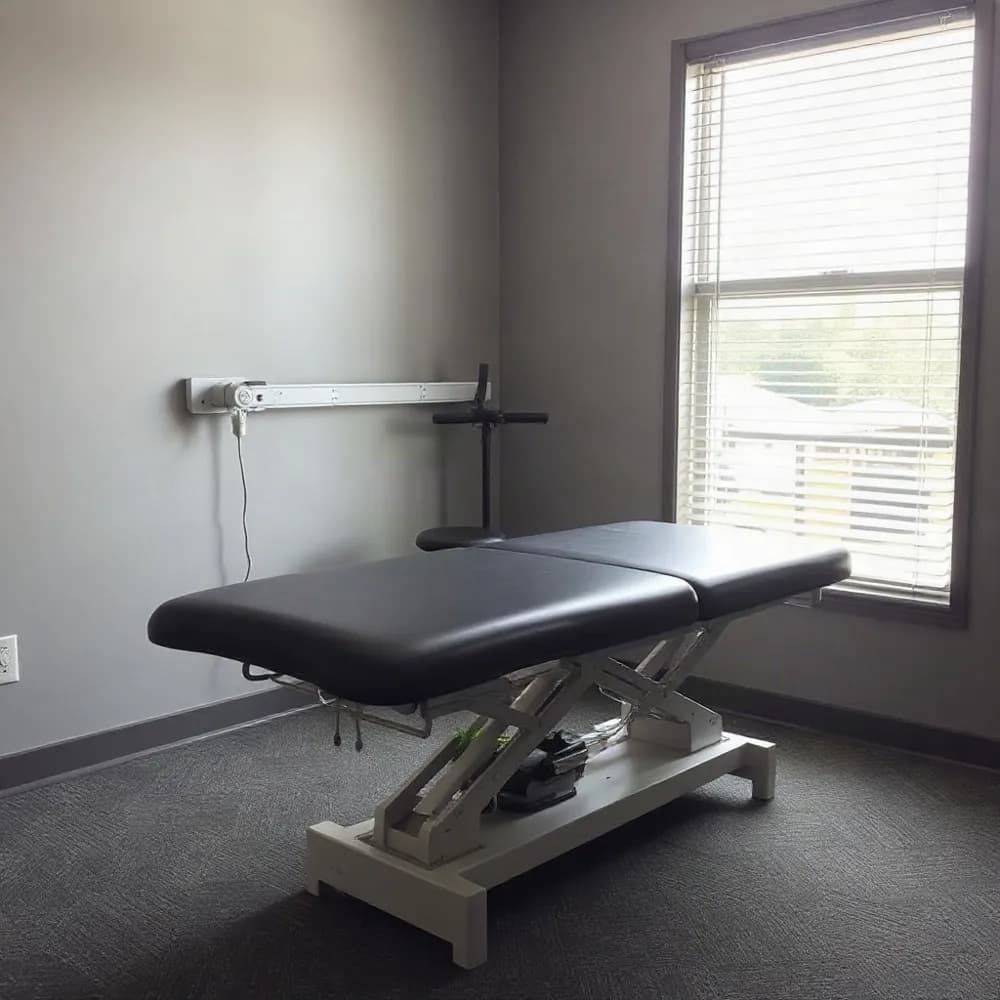
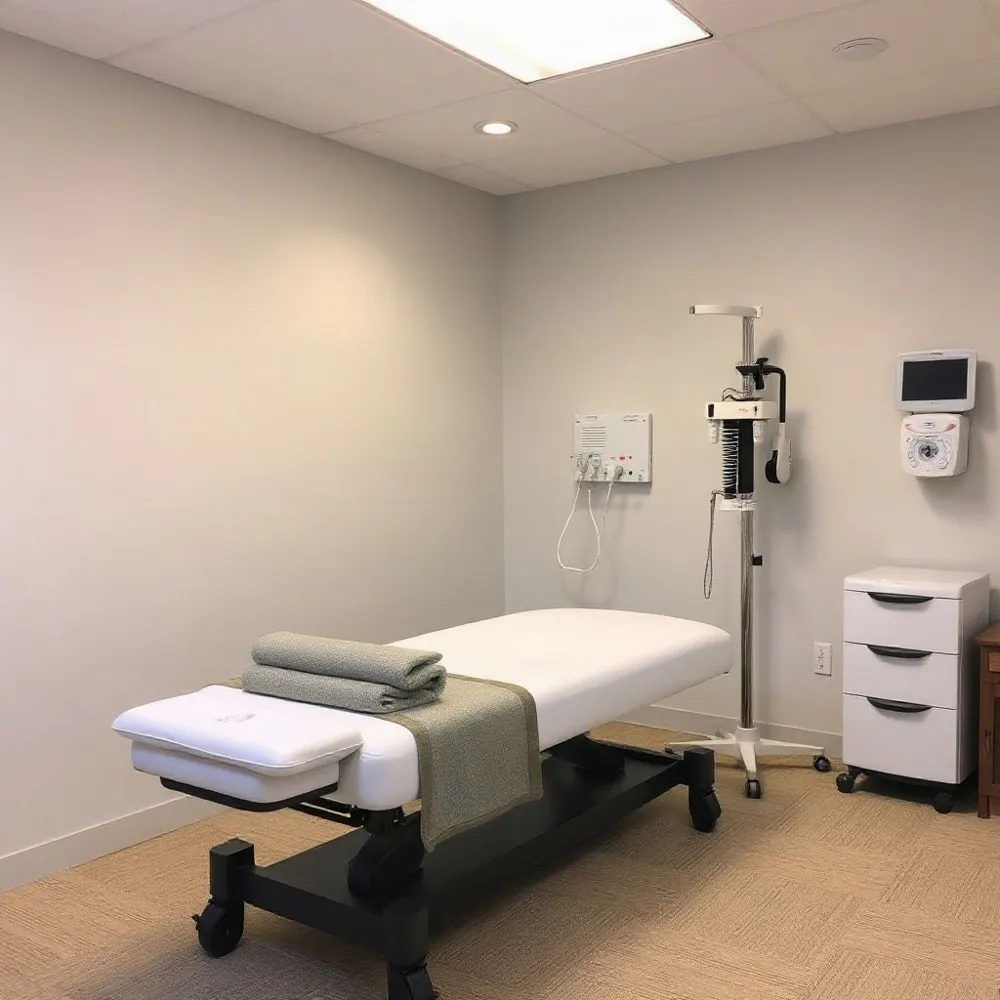
If treatment is suitable, you may lie on a specially designed padded table while the chiropractor positions you to reach the relevant joint. The chiropractor may use their hands, or sometimes a small instrument, to apply brief, controlled force. Positioning, pressure, and the specific approach can vary according to the area being treated and your comfort. At Osborne Chiropractic Clinic in Raleigh, hands-on care is tailored to the individual, with Gonstead and Diversified methods among the approaches offered.
How does a chiropractor perform a spinal adjustment?
Spinal manipulation generally involves a controlled thrust, while mobilization uses slower, lower-velocity movement without a thrust. These terms describe broad differences in how force is applied; they do not rank named techniques or show that one is best for every person. A research review found that manipulation and mobilization often produced similar outcomes for neck and low-back pain, though results varied by condition and study. The review of spinal manipulation evidence does not compare Gonstead directly with Diversified.
A pop or crack may occur as gases are released from a joint space, but the sound is not necessary for an adjustment and does not show whether treatment has worked. Ask what a proposed technique will involve, and share any worries about pressure, positioning, or symptoms before care begins. Osborne Chiropractic Clinic’s educational, high-touch approach makes room for those questions so you can discuss your comfort and understand the plan.
Gonstead and Diversified in Context
Gonstead and Diversified are both hands-on chiropractic approaches, but they differ in how the chiropractor assesses and selects areas for treatment. Gonstead emphasizes a focused examination, which may include hands-on checks of spinal movement and imaging when appropriate. Imaging is not required for every patient or every visit.
Diversified uses manual adjustments and can be adapted to different joints and patient positions. Both approaches may involve a quick, controlled thrust. A popping sound can occur as a joint moves, but it is not necessary for an adjustment to be effective.
The available research does not settle which named method works best. A 2021 review of spinal manipulation and mobilization examined broader forms of care for neck and low-back pain, not head-to-head trials of Gonstead and Diversified. It therefore cannot show that one method is better for alignment, pain relief, or a particular person.
At Osborne Chiropractic Clinic in Raleigh, chiropractors use both Gonstead and Diversified approaches. A conversation about your health history, symptoms, comfort, and goals can help determine what assessment and adjustment style may fit your needs. Ask what the chiropractor plans to do and why, and share any concerns about hands-on treatment or imaging.
The practical choice is not a contest with one universally best technique. It is a discussion about how each approach works and whether it suits your circumstances. Chiropractic adjustments should complement, not replace, other medical care when that is needed, as Cleveland Clinic explains.
Care for Lower Back Pain
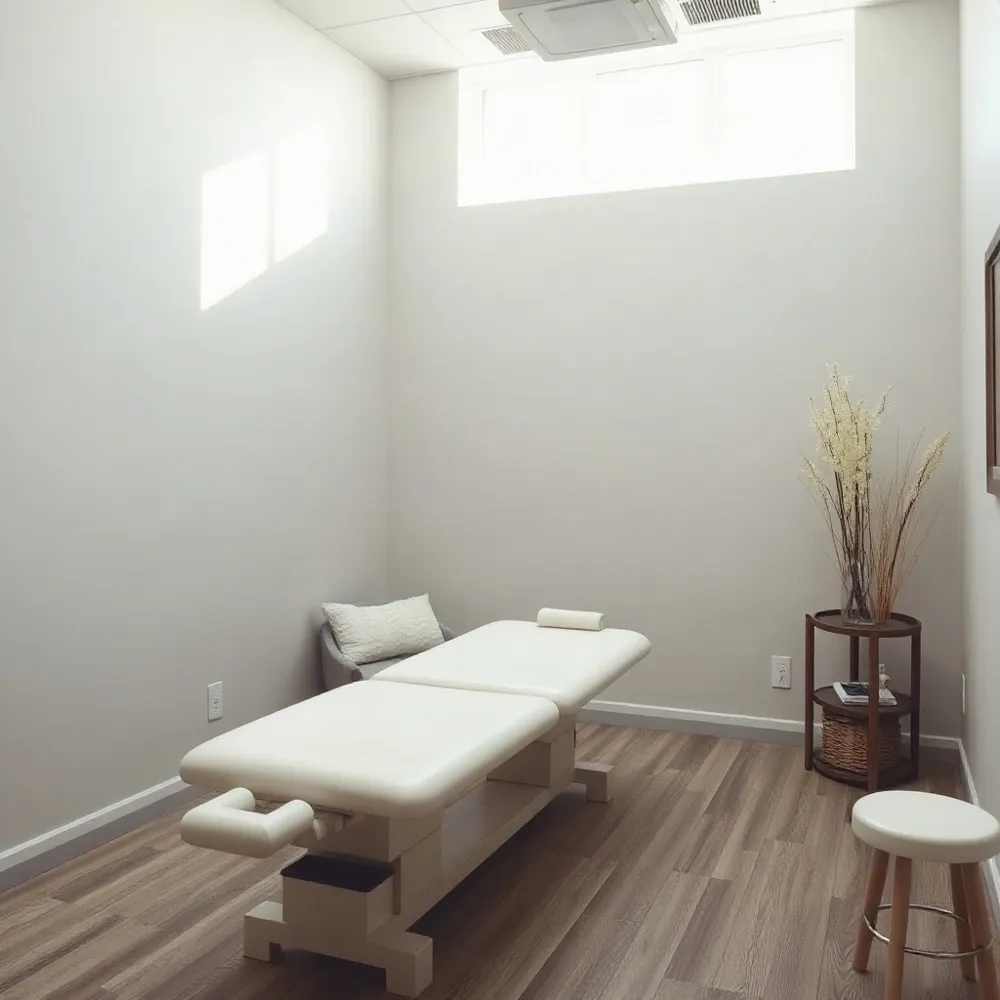 A chiropractor begins by asking where your lower back hurts, when symptoms started, and what makes them better or worse. Your health history, medicines, and any previous injuries also help shape the discussion.
An examination may include observing how you stand, bend, and move, along with checking the spine and nearby muscles. Imaging is considered when it could help clarify the problem, while signs of a condition needing different care may prompt a referral. A careful assessment helps keep treatment suited to your situation rather than applying the same approach to everyone.
Care may include a hands-on adjustment to support joint movement, plus practical guidance on exercise, posture, and daily activities. At Osborne Chiropractic Clinic in Raleigh, an individualized plan may include Gonstead or Diversified adjustments, alongside education and attention to your progress. These approaches are options, not promises of a particular result.
Research supports a measured view of what adjustments can do. A 2021 review found spinal manipulation generally produced outcomes comparable to recommended conservative care, such as exercise or physical therapy, for many forms of non-specific or chronic primary back pain. Results varied among studies, and the review did not show that Gonstead, Diversified, or another named method is superior for everyone. The review of spinal manipulation research also describes it as one option within broader care that may include exercise and self-management.
Ask how progress will be checked and when the plan should be reconsidered. If symptoms are not improving, discuss other options with your chiropractor or another health professional. Seek urgent medical attention for new loss of bowel or bladder control, or rapidly worsening leg weakness or numbness. For general guidance on adjustment benefits, limits, and when another provider may be needed, see Mayo Clinic's overview of chiropractic adjustment.
Evidence and Safety Considerations
 Is chiropractic care safe and evidence-based for back pain? For many people with uncomplicated low-back pain, spinal manipulation is one conservative option to consider. Research and clinical guidance suggest it may improve pain and function, with results broadly comparable to other recommended approaches such as exercise. That does not mean it cures every cause of back pain or that one technique works best for everyone. A 2021 review found benefits varied across studies and did not establish a universally superior method for spinal manipulation and back pain.
It helps to distinguish two kinds of research. Effectiveness studies compare treatments in settings closer to everyday care, while efficacy studies test treatments under controlled conditions, often against a sham procedure. Evidence that manipulation has specific effects beyond placebo remains uncertain, partly because it is difficult to create a sham that feels credible but has no therapeutic effect. These findings address spinal manipulation broadly, not a direct comparison of Gonstead and Diversified.
Most reported side effects are temporary and may include soreness, stiffness, headache, or tiredness. Serious complications have been reported but are rare, and exact rates are not known. The National Center for Complementary and Integrative Health notes a rare potential risk associated with neck-focused manipulation in its safety overview.
Before care, share your health conditions, medications, and supplements, and ask about potential benefits, risks, and alternatives. A chiropractor should screen whether treatment is appropriate and refer you for medical evaluation if symptoms point to a more serious problem. At Osborne Chiropractic Clinic in Raleigh, the care plan can be tailored to your needs and reviewed over time; if it is not helping, the next step should be discussed rather than assumed.
What to Expect After an Adjustment
After an adjustment, you may notice mild soreness or stiffness in the treated area, a headache, or tiredness. These short-lived effects can feel similar to what you might experience after exercise. The Cleveland Clinic’s guidance on chiropractic adjustments says soreness often settles within about a day, though minor effects can last longer for some people.
Serious complications are uncommon, but new or worsening symptoms deserve attention rather than being dismissed as a routine response. Contact a healthcare professional promptly if you develop severe or worsening pain, numbness, weakness, or another concerning change. Rare serious problems have been reported after spinal manipulation, including nerve complications; neck manipulation has also been linked to rare stroke risk, as described in NCCIH’s review of spinal manipulation.
Before care, tell your chiropractor about health conditions, medications and supplements, prior injuries, and any new symptoms. At Osborne Chiropractic Clinic, a private, hands-on Raleigh practice, that information supports screening and an individualized discussion of whether care is appropriate. Ask what effects you might expect, which symptoms should prompt a call, and whom to contact if you feel worse after leaving.
Planning Visits and Choosing Care
How often should someone receive chiropractic adjustments? There is no single schedule that suits everyone. Visit frequency depends on your symptoms, how long they have been present, their likely cause, your health history, your goals, and how you respond to care. A minor, short-term concern may call for a different plan than persistent back or neck pain. Research describes spinal manipulation as one option within conservative care, often alongside exercise and education, rather than a universal stand-alone solution evidence review of spinal manipulation.
At Osborne Chiropractic Clinic, your chiropractor can discuss a plan based on your needs and review how progress will guide any changes. Ask what each visit is intended to accomplish, how long care may be appropriate, and what signs would prompt a reassessment. Tell the chiropractor if symptoms change, and speak with your primary care provider about new or persistent pain when appropriate Mayo Clinic guidance on chiropractic adjustment.
What should patients consider when choosing a chiropractic technique?
Before choosing an approach, consider your symptoms, previous injuries, health conditions, and comfort with hands-on care or a gentler option. Ask how the chiropractor will assess whether treatment is suitable, why a method such as Gonstead or Diversified may fit your needs, and what potential benefits and risks to discuss. You should also ask how progress will be checked and what the next step would be if treatment is not helping. You should feel comfortable asking questions and should not feel pressured to try a technique you are unsure about.
Osborne Chiropractic Clinic offers Gonstead and Diversified methods, hands-on care, extended office hours, and a range of services. Raleigh patients can ask the clinic to confirm which options and appointment times fit their circumstances, as well as the chiropractor’s relevant training. A thoughtful decision includes both the treatment approach and a clear way to review whether it is meeting your goals.
What factors affect the cost of chiropractic treatment?
Costs can vary with the service, any imaging, visit frequency, and the length of the proposed care plan. An adjustment, acupuncture, spinal decompression, or imaging may involve different fees, and needs related to an auto, work, or sports injury can affect the recommended plan. Insurance benefits also vary, so check directly with your insurer and ask the clinic what your plan may cover before care begins.
Osborne Chiropractic Clinic offers flexible payment plans, but fees and coverage depend on your situation. Before deciding, ask about current service fees, available payment options, and possible out-of-pocket costs. A written explanation of the proposed plan, its goals, and how progress will be reviewed can help you make an informed choice that fits both your health needs and budget.
A Personal Choice, Not a Contest
Gonstead and Diversified offer different hands-on ways to assess and treat joints, but research has not ranked these named methods against each other or shown that either guarantees spinal realignment. Evidence on spinal manipulation more broadly suggests it can be one conservative option for some neck and back pain, often alongside exercise and other care, with results varying by person (2021 review of spinal manipulation).
If you live in Raleigh, tell a qualified clinician what hurts, what movements feel comfortable, and what you hope to get back to doing. Ask how an approach fits your health history and how you will assess progress; seek appropriate medical guidance if symptoms worsen or do not improve.
At Osborne Chiropractic Clinic, care includes both Gonstead and Diversified methods, with a hands-on, educational approach. Contact the clinic to ask about an assessment, available approaches, appointment options, and costs. A conversation can help you decide whether an adjustment belongs in your care plan.