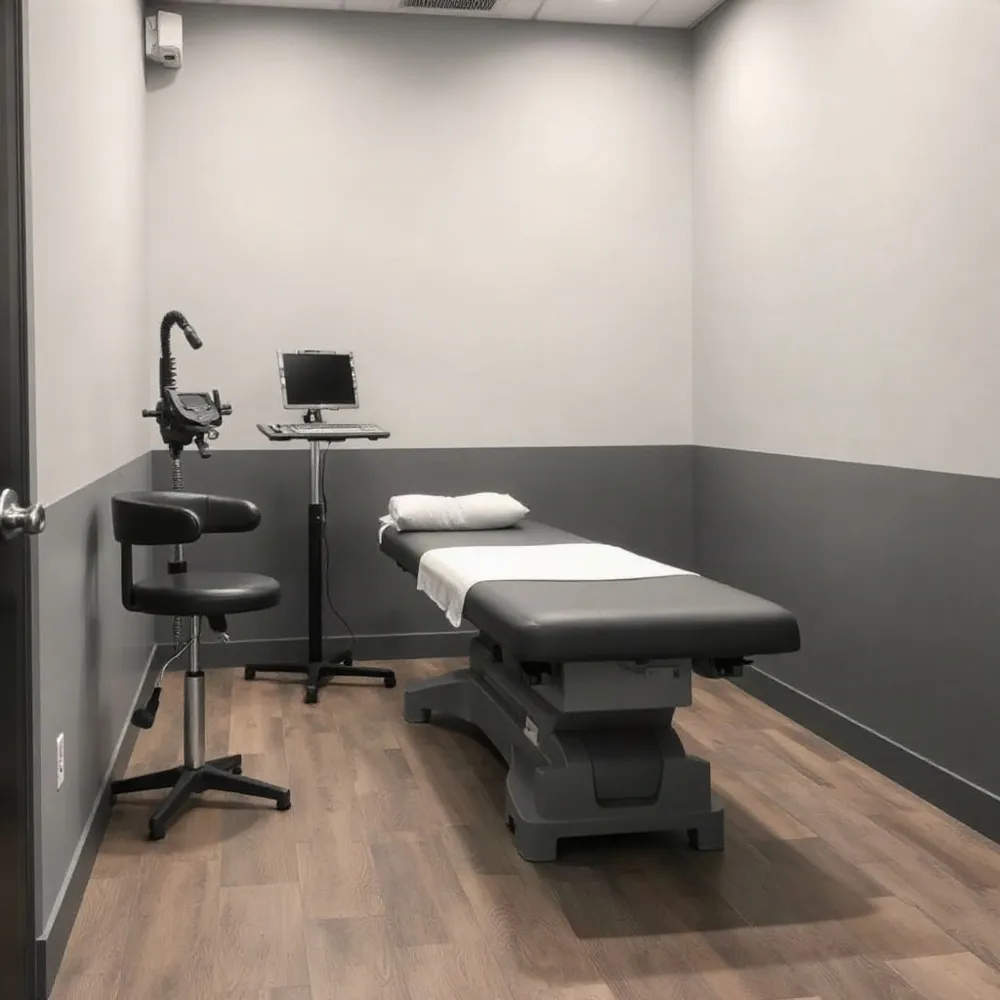
Why Consistent Care Is Personal
Chiropractic maintenance is proactive attention to movement and musculoskeletal health, rather than care focused only on an injury or a painful flare-up. For some people, periodic check-ins may help support mobility and manage recurring stiffness, but they cannot guarantee that future injuries will be prevented.
Daily routines matter. Long hours at a desk, repetitive tasks, sports training, and sleep positions can all contribute to stiffness or changes in how comfortably you move. A visit may include an assessment and conversation about these demands, not just an adjustment. Cleveland Clinic’s overview of chiropractic adjustments notes that care may also involve exercises, stretches, and guidance from other health professionals.
For Raleigh families, athletes, and people managing back, neck, or joint discomfort, a useful plan starts with personal needs and goals. At Osborne Chiropractic Clinic, hands-on care and patient education help shape recommendations around your health history and daily activities, rather than assuming everyone needs the same visit schedule.
What Maintenance Can Include
 For Raleigh families, a preventive visit can start with a friendly conversation about your symptoms, health history, posture, movement, and goals. That check-in helps your chiropractor decide whether an adjustment is right for you or if another approach fits better. We’ll also do a gentle physical exam and, if needed, take a look at imaging to create a plan just for you — as Cleveland Clinic’s overview of chiropractic adjustments explains.
Maintenance is not adjustment-only. Depending on your needs, a plan may include stretches, rehabilitative exercises, soft-tissue care, or guidance on posture, workstation setup, and everyday habits. These options give you practical steps to use between appointments, not just care delivered in the office. SCUHS’s discussion of chiropractic care describes exercise and ergonomic guidance as possible complements to hands-on treatment.
At Osborne Chiropractic Clinic, care is personalized and hands-on, with education as part of the process. One Raleigh patient told us, “I used to think maintenance visits were just a quick adjustment, but now I see they’re about keeping me moving and pain-free all month long.” The clinic offers Gonstead and Diversified adjustment methods, but that does not mean everyone needs an adjustment or every available service. Your health and goals should shape the approach. Chiropractic care can complement medical care, but it should not replace medical evaluation when symptoms or other concerns warrant it. You can also read about why maintenance visits matter.
What Research Can And Cannot Tell Us
 Research can help set realistic expectations, but it does not offer a single answer for every person or condition. For Raleigh patients considering ongoing care, the distinction between short-term symptom relief and preventing future problems matters.
What does research say about chiropractic care for back pain and other concerns?
A 2017 study cited by the SCUHS overview of chiropractic care reported moderate short-term improvements in back pain and function with spinal manipulation compared with placebo, lasting up to six weeks. That finding suggests some people with low-back pain may benefit, but it does not show that maintenance visits prevent future injuries or provide a lasting cure.
A separate 2021 observational study of ongoing chiropractic care followed people already receiving care for chronic low-back or neck pain. On average, participants reported slight improvements in pain and function over three months. Because the study was observational, it cannot establish that visit frequency caused those changes or identify an ideal schedule for everyone.
These findings apply to specific groups and outcomes, not every patient. Evidence about neck pain, headaches, sciatica, and joint discomfort varies by condition and treatment. Results for chronic low-back pain should not be treated as proof that chiropractic maintenance prevents injuries across the board.
At Osborne Chiropractic Clinic, a discussion of ongoing care can include your health history, symptoms, goals, and how you respond to treatment. Its education-focused, hands-on approach gives patients room to ask about expected benefits, possible risks, and other care options. Spinal manipulation may be one part of a broader plan, rather than a substitute for medical evaluation when symptoms call for it.
If pain is severe, worsening, or accompanied by unusual symptoms, tell your healthcare provider. A chiropractor can assess whether care is appropriate and recommend medical evaluation or referral when needed. Research is useful context for that conversation, not a replacement for an individual assessment.
Individualized Care For Lower Back Pain
A chiropractor can assess lower-back pain, movement, and daily function to help determine whether chiropractic care may be appropriate. The visit usually starts with a discussion of symptoms and medical history, followed by an examination. If another type of evaluation is needed, a chiropractor can recommend contacting a medical provider. Cleveland Clinic’s overview of chiropractic adjustments explains how history and examination help guide care.
Treatment depends on your needs and comfort. A plan may include hands-on adjustments, soft-tissue care, stretches, exercises, or practical advice for managing symptoms between visits. Osborne Chiropractic Clinic offers Gonstead and Diversified adjustment methods, but neither is automatically the right choice for every person. Your goals, findings, and preferences should guide the discussion.
If you are weighing chiropractic care for lower-back pain, think of it as a possible part of your care rather than a replacement for medical evaluation or treatment. Results differ from person to person, and your clinician can help decide whether to coordinate with another healthcare provider. Seek prompt medical attention for new leg weakness, numbness around the groin, or loss of bladder or bowel control.
Discussing Benefits And Possible Risks
What should patients know about the possible benefits and risks of chiropractic adjustments? Adjustments may help some people with musculoskeletal pain, especially lower-back or neck pain, and may support movement. Results vary, and an adjustment is not a cure for every condition. A careful visit starts with a review of your symptoms and health history to help determine whether an adjustment or another approach is appropriate. Cleveland Clinic’s overview of chiropractic adjustments explains that screening and an individualized plan are part of care.
Temporary soreness, stiffness, headache, or discomfort can occur after treatment. Serious complications have been reported, particularly with neck manipulation, but their likelihood is not well established. Before care, tell your chiropractor about health conditions, medications, previous injuries, and any new symptoms. Ask what alternatives may suit your circumstances, what risks apply, and what signs should prompt follow-up.
At Osborne Chiropractic Clinic, a hands-on, education-focused approach gives patients room to discuss questions and understand their options. The chiropractor should explain the proposed care and obtain informed consent before treatment. Screening and recommendations should reflect your needs, not a fixed routine. If you are considering ongoing maintenance visits, ask how progress will be reviewed and when the plan might change.
Seek prompt medical care for severe or worsening symptoms, new weakness or numbness, or other concerning changes. These symptoms may need evaluation beyond chiropractic care. You can also pause treatment and contact your healthcare provider if you are unsure whether an adjustment is appropriate.
Choosing A Visit Rhythm That Fits
 How often should someone see a chiropractor, and is ongoing maintenance care worthwhile? There is no one-size-fits-all schedule. Visit frequency can depend on symptoms, health history, daily demands, personal goals, and how you respond to care.
Someone with significant pain or a recent injury may begin with more frequent visits. As symptoms, movement, and daily function change, the clinician can reassess the plan and adjust the pace. For recurring back or neck pain, some people consider ongoing care to help manage symptoms and stay active. That does not mean everyone needs maintenance visits, or that a particular schedule is proven to prevent future injuries.
Research on people already receiving ongoing chiropractic care for chronic low-back or neck pain found modest average improvements over a three-month period, but the observational study cannot show that a set visit frequency caused those changes or establish a schedule for everyone. Its authors also note that ongoing care may serve symptom management for some people. The study of visit frequency and outcomes offers context, not a prescription.
You may see sample maintenance intervals suggested elsewhere, but treat them as examples, not medical recommendations. At Osborne Chiropractic Clinic, personalized, hands-on attention and measurable outcomes can help keep the discussion focused on your needs rather than a fixed calendar.
Ask what goals you are working toward, when progress will be reviewed, and what exercises or everyday changes may help between visits. A clear plan should explain why the proposed pace makes sense and when it may change.
Supporting Athletes Beyond The Adjustment
What should athletes know about chiropractic care and sports performance? It may help manage certain back, neck, shoulder, hip, or other joint concerns and support mobility, but it is not a guaranteed performance boost or a way to prevent every injury. Palmer College of Chiropractic’s overview of care for athletes emphasizes that care should be tailored to the athlete and sport.
An assessment can consider your sport, training demands, symptoms, injury history, and goals before discussing whether hands-on care is appropriate. At Osborne Chiropractic Clinic in Raleigh, personalized, hands-on care includes traditional adjustments using Gonstead and Diversified methods. Depending on your needs, a plan may also include mobility work, rehabilitation exercises, or practical guidance.
Chiropractic care works best as one possible part of a broader approach, not a replacement for sport-specific conditioning, adequate rest, physical therapy, athletic training, or medical care when those are appropriate. Share your training schedule and injury history with your provider, and speak up about new or worsening symptoms. Seek prompt medical assessment for a serious injury or symptoms that raise concern.
Recognizing A Plan That Needs Reconsideration
What are warning signs that a chiropractic provider or treatment plan may not be right for you? A careful visit should include a review of your health history and an examination before treatment begins. The chiropractor should explain the options, answer your questions, and get your informed consent. Cleveland Clinic’s guidance on chiropractic adjustments also emphasizes screening to decide whether care is suitable and referral when it is not.
Be cautious if you feel pressured to buy a large prepaid plan, hear promises of a guaranteed cure, or are told to stop prescribed medication or avoid other medical care. At Osborne Chiropractic Clinic, the stated approach emphasizes patient education and personalized attention, so you should expect to understand the purpose of proposed care and have room to discuss your concerns.
A responsible plan should set clear goals and include regular check-ins to review how you are responding. Tell your provider if pain worsens, new symptoms appear, or your progress is not being discussed. You can ask questions, decline any technique, including an adjustment, or seek another opinion.
Chiropractic care should not replace medical evaluation for urgent or severe symptoms. Seek prompt medical attention when symptoms are serious or changing quickly, and contact a healthcare professional if you are unsure what to do.
A Practical Next Step
Consistent chiropractic care is not a guarantee against future pain or injury. When ongoing visits make sense, they should reflect your symptoms, daily activities, and goals, with the plan reviewed as your needs change.
If you are in Raleigh, bring questions about your pain, work or sports demands, and what you hope to do more comfortably to a qualified provider. Ask how progress will be measured, when the plan will be reassessed, and what would show that continued visits are or are not useful. Research on ongoing care for chronic back and neck pain offers context, but its findings do not establish one schedule for everyone study of visit frequency and outcomes.
At Osborne Chiropractic Clinic, the stated approach pairs hands-on care with patient education and individual attention. A conversation can help clarify whether an adjustment or another service fits your situation, and what steps you can take between visits. Maintenance is an option to discuss, not a requirement for every patient.