Small Steps Now, Big Wellness Later
Think of chiropractic maintenance care like the regular oil changes and tire rotations that keep your car running smoothly for years. It is a proactive approach to long-term health, focused on keeping your spine and nervous system in top condition, not just treating pain after it shows up.
This contrasts with acute care, which only responds to pain or injury after it happens. For Raleigh families juggling work, school, and activities, waiting for a problem to flare up before seeing a chiropractor is like skipping dental checkups until a cavity hurts. A little routine attention now can prevent much larger problems down the road.
What Is Maintenance Care?
 Maintenance care is the phase of chiropractic treatment that continues after your initial pain or injury has resolved. It involves regular, proactive adjustments to keep your spine aligned and prevent future issues, even when you feel fine. Think of it as ongoing support for your body's structure and function, helping you stay active and pain-free over the long term.
This approach is different from acute care, which focuses on short-term pain relief after a flare-up or injury. Maintenance care is also distinct from wellness care, which takes a broader view of optimizing your lifestyle through exercise, posture, and stress management. While all three phases are valuable, maintenance care specifically targets tertiary prevention for patients with recurrent low back pain who responded well to initial treatment. A 2018 study found that patients receiving maintenance care experienced fewer days with bothersome low back pain over a 52-week period compared to those who only sought care when symptoms returned.
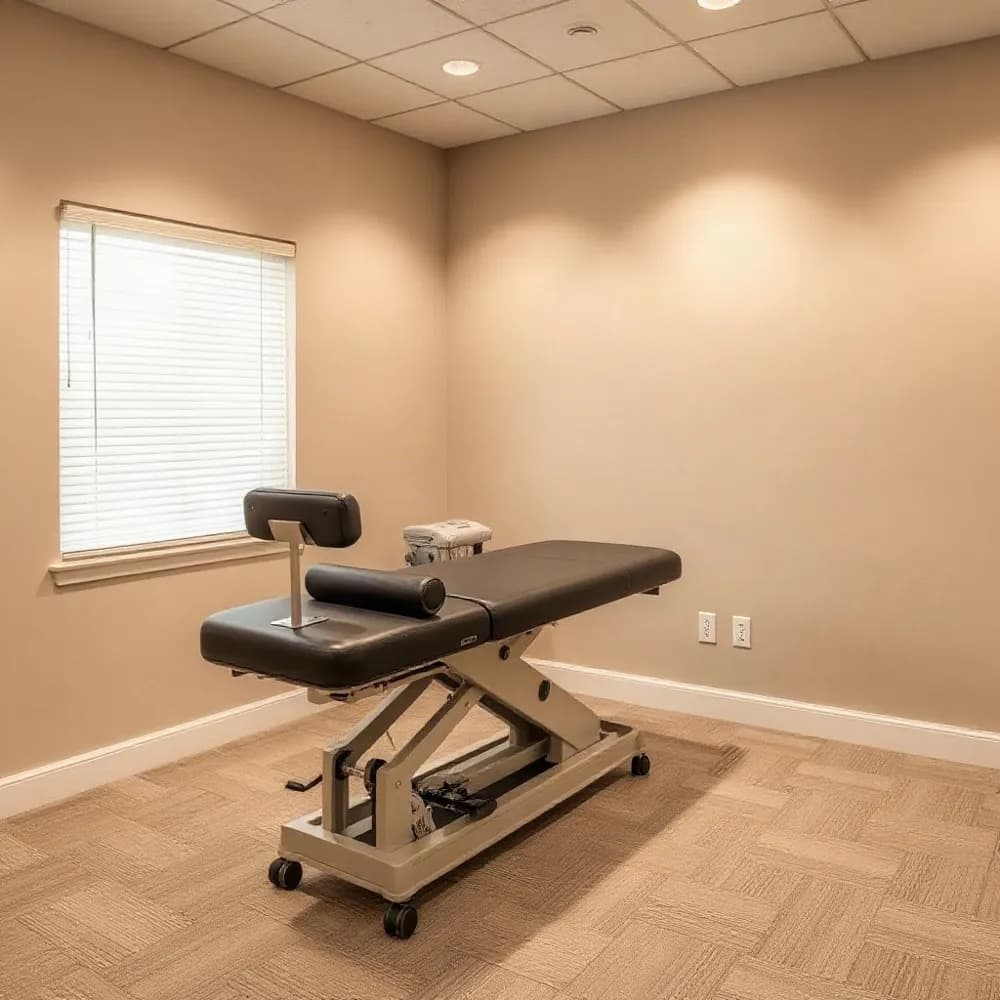
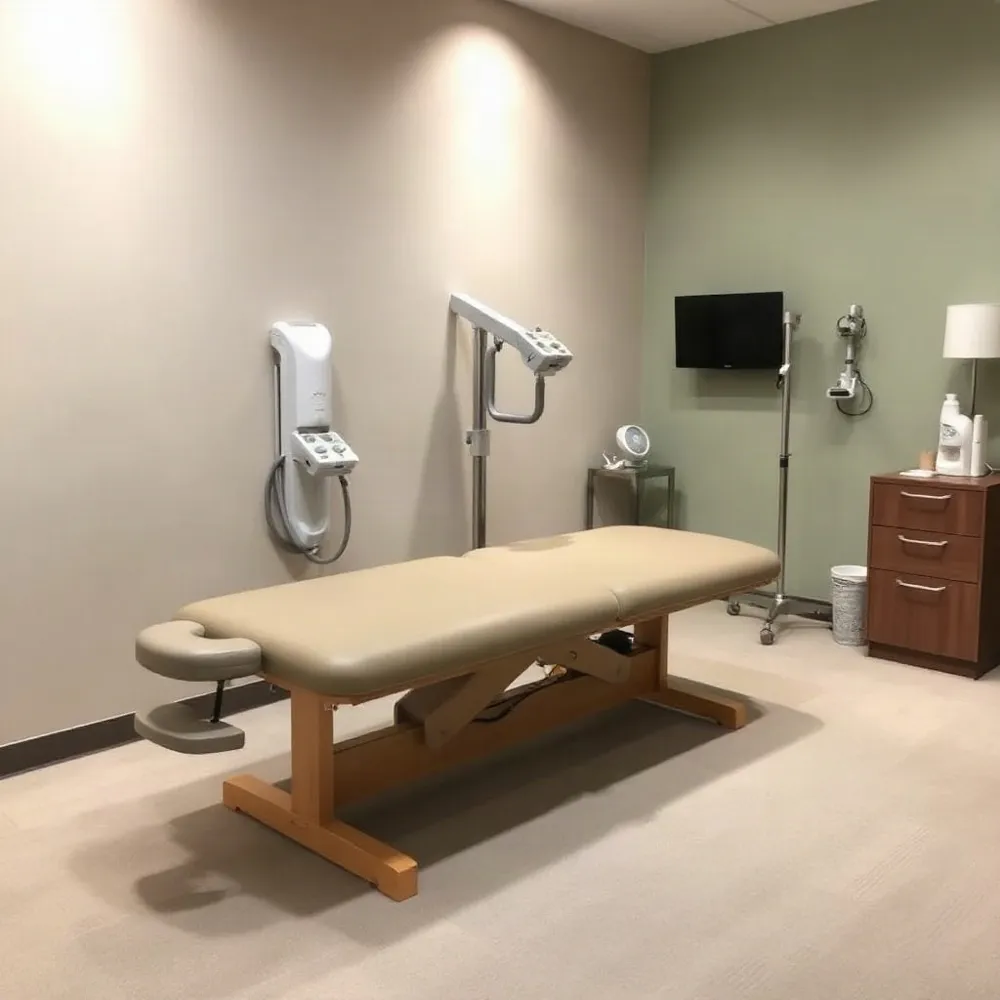
A typical maintenance visit is shorter and more comfortable than an initial treatment. Your chiropractor will ask how you've been feeling, check your posture and movement, perform gentle spinal adjustments, and may include soft-tissue work or simple rehab guidance. At Osborne Chiropractic Clinic, these visits also incorporate advanced tools like the DRX9000 non-surgical disc decompression system and evidence-based Gonstead and Diversified adjustment methods to ensure precise alignment and sustained spinal health.
The goal of maintenance care is to prevent the return of pain and preserve the improvements you've already achieved. Research shows that without ongoing care, patients often return to pre-treatment disability levels within 10 months. By committing to regular, proactive adjustments, you invest in your long-term well-being and reduce the need for more intensive treatments down the road.
Science Says Maintenance Works
 Research on chiropractic maintenance care goes beyond anecdotal success stories. A 2018 randomized controlled trial published in PLOS ONE tracked 328 patients with non-specific lower back pain over a full year. Patients who continued with regular maintenance care experienced 13 fewer days of bothersome lower back pain compared to those who only sought treatment when symptoms returned.
A study by Cifuentes, looking at nearly 900 workers with low back injuries, found that the lowest rates of repeat injury occurred among those receiving chiropractic maintenance care. Workers who relied on physical therapy or standard medical treatment had the highest reinjury percentages. This aligns with findings from Senna and Machaly, which showed that patients who stopped maintenance care after an intensive treatment plan returned to their pre-treatment disability levels within just 10 months.
The long-term benefits also extend to healthcare costs and overall utilization. A five-year follow-up study of 375 patients who received maintenance care recorded a 60.2% reduction in total medical costs. Those same patients had fewer physician visits (0.42 per person per year versus 1.23), 17.8% fewer hospital admissions, 43.2% fewer hospital days, and 36.4% fewer outpatient surgeries and procedures compared to the group that did not receive maintenance care.
How Often Should You Visit?
 There is no single answer that fits everyone. Your ideal maintenance schedule depends on your lifestyle, activity level, and overall health goals. Most patients find that a visit every 4 to 6 weeks works well to keep the spine aligned and prevent small issues from turning into larger problems. Think of it like regular oil changes for your car — you do not wait for something to break before taking care of it.
If your daily life places higher demands on your body — such as a physically demanding job, a regular training routine, or a history of chronic back pain — you may benefit from more frequent visits, typically every 2 to 4 weeks. At Osborne Chiropractic, the team tailors each schedule to the individual, recognizing that a desk worker, a parent, an athlete, and someone recovering from a past injury all have different needs. For those with stable habits and a solid home stretching routine, visits every 6 to 12 weeks are often enough to maintain good spinal function.
A great option for many patients is a seasonal checkup every 10 to 12 weeks. This works well if you have built consistent daily habits — good posture, regular movement, and core exercises — and feel generally stable between visits. It mirrors the way you might schedule a dental cleaning or an annual physical: a proactive touchpoint rather than a reactive fix.
The best schedule is one that can shift as your life changes. Starting a new sport, a period of heavy training, pregnancy, or increased stress may call for a shorter interval between visits. If you notice stiffness creeping back or tension increasing, that is a sign to check in a little sooner. On the other hand, if you feel great and your habits are solid, you might comfortably spread visits further apart.
Research backs up the value of a personalized rhythm. A major Swedish study involving 328 patients found that those receiving chiropractic maintenance care experienced 13 fewer days of bothersome low back pain over a year compared to those who only came in when symptoms returned, and they needed only about two extra visits to achieve that result. That kind of efficiency is what a well-tailored schedule delivers.
At your first maintenance visit, your chiropractor will ask how you have been feeling, check your posture and range of motion, and provide the adjustments and soft tissue work your body needs right then. Because the goal is prevention rather than correction, these visits are typically quicker and more comfortable than initial treatment sessions. The conversation is honest: if your schedule needs tweaking, your provider will say so. You never have to figure it out alone.
Benefits Beyond Pain Relief
While relief from back or neck pain is often the first goal, the advantages of regular chiropractic adjustments extend far beyond simply feeling better in the moment. Routine visits support your body's overall function in several practical ways.
Consistent care leads to improved posture as adjustments correct minor misalignments caused by daily habits like sitting at a desk or looking at a phone. Better alignment naturally improves joint mobility, allowing for freer, more comfortable movement. Patients often report better sleep quality as physical tension eases, and the stress-relieving effects of adjustments can help regulate your nervous system and lower overall stress levels.
For many, one of the most valuable benefits is a reduced reliance on medication. Studies have shown that patients who used a chiropractor as a first line of treatment for lower back pain were 90% less likely to rely on opioids for both early and long-term pain management. This drug-free approach supports your body's natural healing capabilities.
Support for an Active Lifestyle
Maintenance care is especially beneficial for active individuals and athletes. By keeping your spine in proper alignment, regular adjustments help optimize biomechanics, which can reduce injury risk and speed up recovery from minor strains and sprains. This proactive care helps you stay moving and performing at your best.
At Osborne Chiropractic Clinic, advanced technology like the DRX9000 non-surgical disc decompression system is available to gently stretch the spine, relieving pressure on discs during maintenance visits. This is combined with precise, evidence-based techniques like the Gonstead and Diversified adjustment methods to ensure long-term spinal health and stability.
Routine care also helps manage physical stress, improves balance and flexibility, and supports the healthy aging of muscles and joints, making it a foundation for long-term wellness.
Safety, Side Effects, and What to Expect
Serious complications from a chiropractic adjustment are extremely rare, with estimates putting them at less than 1.5 per 10 million adjustments. Licensed practitioners who use safe, proven methods and conduct thorough health history reviews keep these risks minimal. Choosing a professional chiropractor who follows established safety protocols, like those at Osborne Chiropractic Clinic, is the most important step you can take.
The most common side effect is temporary soreness or stiffness, which usually resolves within 24 hours and often feels similar to the sensation after a good workout. This is a normal response as your body adjusts to improved alignment. In very uncommon cases, risks can include a herniated disk, nerve compression, or stroke following neck manipulation. However, these severe events are almost always linked to untrained practitioners.
Before your first adjustment, a licensed chiropractor will review your medical history, perform a physical exam, and may order X-rays or other imaging to rule out any reasons why chiropractic care might not be right for you. This personalized approach ensures that the care you receive is safe and effective for your specific needs, making the experience both comfortable and trustworthy. Here in Raleigh, Osborne Chiropractic Clinic follows this thorough evaluation process for every patient. Many of our Raleigh patients have shared how relieved they feel knowing their care is in safe hands.
Recognizing a Great Chiropractor
Choosing the right chiropractor in Raleigh means knowing what to look for and what to avoid. A provider who skips a thorough evaluation of your symptoms and medical history before any treatment is a major red flag. Your first visit should always include a detailed exam and, when appropriate, digital imaging to develop a clear picture of your needs.
Other warning signs include chiropractors who do not take time to explain your condition or treatment options, or who rely on scare tactics and exaggerated claims to push you into a plan. A provider who offers only one type of adjustment without listening to your concerns or offering alternatives like activator tools or soft tissue therapy is another reason to look elsewhere.
The green flags tell a different story. A great chiropractor creates a personalized treatment plan based on your unique goals and lifestyle. They perform a detailed intake that includes your medical history and any necessary diagnostic imaging, and they take an educational approach — explaining what they find and how each adjustment helps. They listen to your concerns and adjust their methods accordingly.
At Osborne Chiropractic Clinic, we pride ourselves on this personalized, educational approach. We use advanced technology like state-of-the-art x-ray imaging and the DRX9000 non-surgical disc decompression system, along with evidence-based techniques such as Gonstead and Diversified adjustment methods to deliver tailored care for Raleigh families. You can also visit us through direct access, meaning no referral is needed, and we offer flexible payment plans to make quality care affordable.
Daily Habits That Support Your Adjustment
Plantar fasciitis and back pain often feel like separate problems, but they share a common root—mechanical stress that travels from the ground up through your spine. At Osborne Chiropractic Clinic, many patients discover that treating one issue relieves the other because the same imbalances, like a tight calf or weak glute, contribute to both. Instead of seeing foot and back pain as isolated conditions, a chiropractor looks at how the entire kinetic chain compensates.
The foot is the first point of contact with the ground. When your arch collapses or your heel develops sharp, nagging pain from plantar fasciitis, your gait changes automatically. You may unconsciously turn your foot outward or shorten your stride to avoid pain. This altered walking pattern forces your hips, pelvis, and lower back to absorb forces they weren't designed to handle. Over time, uneven loading creates stiffness, muscle spasm, and joint misalignment that can travel all the way up to the neck.
The Uphill Connection in Practice
After a thorough chiropractic adjustment that corrects subluxations in the spine, those adjustments won't hold if the foundation below them keeps shifting. Osborne Chiropractic Clinic consistently sees better outcomes when foot care and back care happen together. For example, a patient suffering from chronic lower-back pain may get temporary relief after an adjustment, only for the pain to return because they still walk with limping gait due to untreated plantar fasciitis.
Integrating an orthotic arch support recommendation with spinal decompression using the DRX9000 system creates a two-way correction. The foot gets the support it needs to align the ankle and knee, and the hip and back adjustments can take hold because the skeleton above is no longer fighting a crooked foundation. This holistic approach aligns with the clinic's philosophy of addressing root causes rather than just symptoms.
How Chiropractic Maintenance Helps Both Conditions
Regular maintenance visits, scheduled every 2 to 4 weeks, provide a feedback loop that foot care alone cannot. During these visits, the chiropractor reassesses gait by observing how you stand and walk, and can spot an emerging tightness in the calf or a new hip hike before it becomes a painful back or foot problem. According to a study on chiropractic maintenance, patients receiving regular adjustments show improved joint stability and reduced recurrence of complaints involving both the lower limbs and the spine.
By addressing small misalignments early, the clinic prevents the compensatory chain that turns a mild foot strain into a full-blown back injury. For Raleigh families juggling busy schedules, this proactive approach means fewer disruptions from pain and more time spent active.
Your Partner in Lifelong Wellness
Regular maintenance care is an investment in your long‑term health, not an endless commitment. A few proactive visits each year can help you stay active, reduce flare‑ups, and avoid costly medical care later.
Osborne Chiropractic Clinic welcomes Raleigh families, athletes, and anyone who wants to move without pain. Schedule a consultation to build a personalized care plan that fits your lifestyle and keeps you feeling your best.