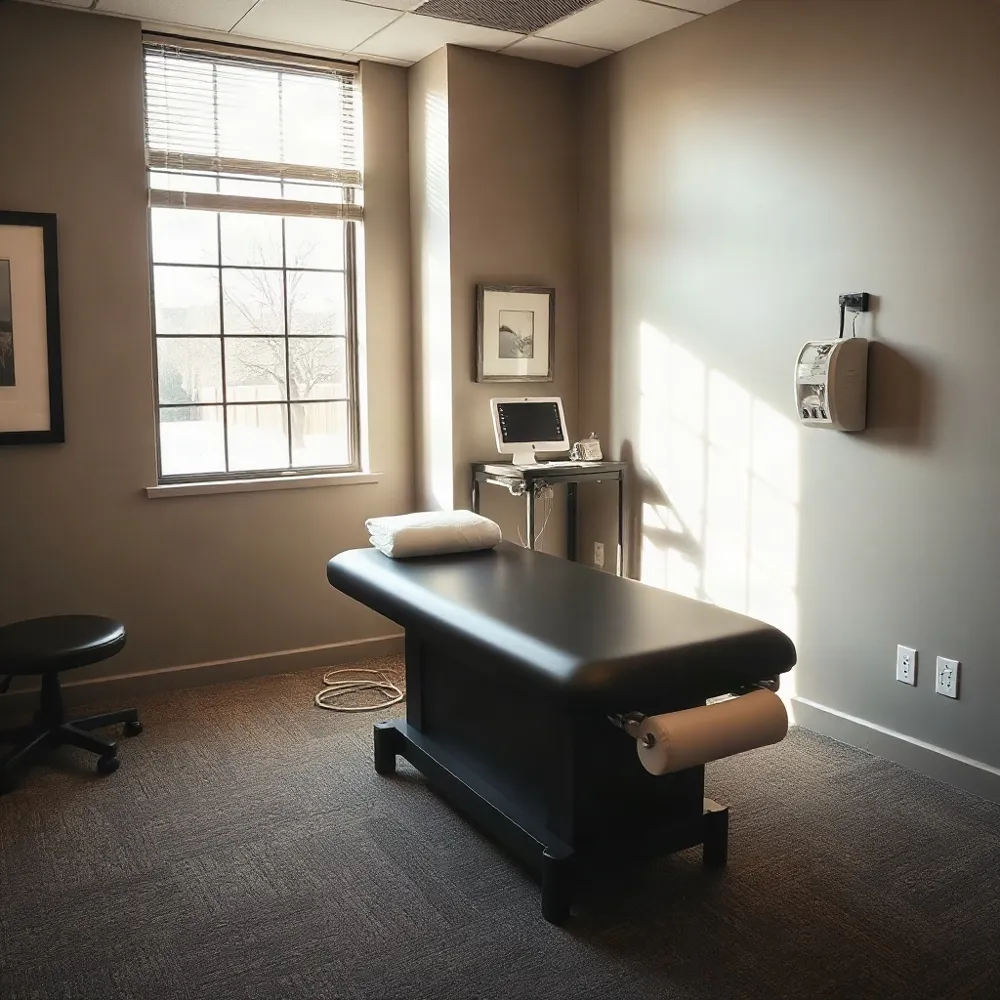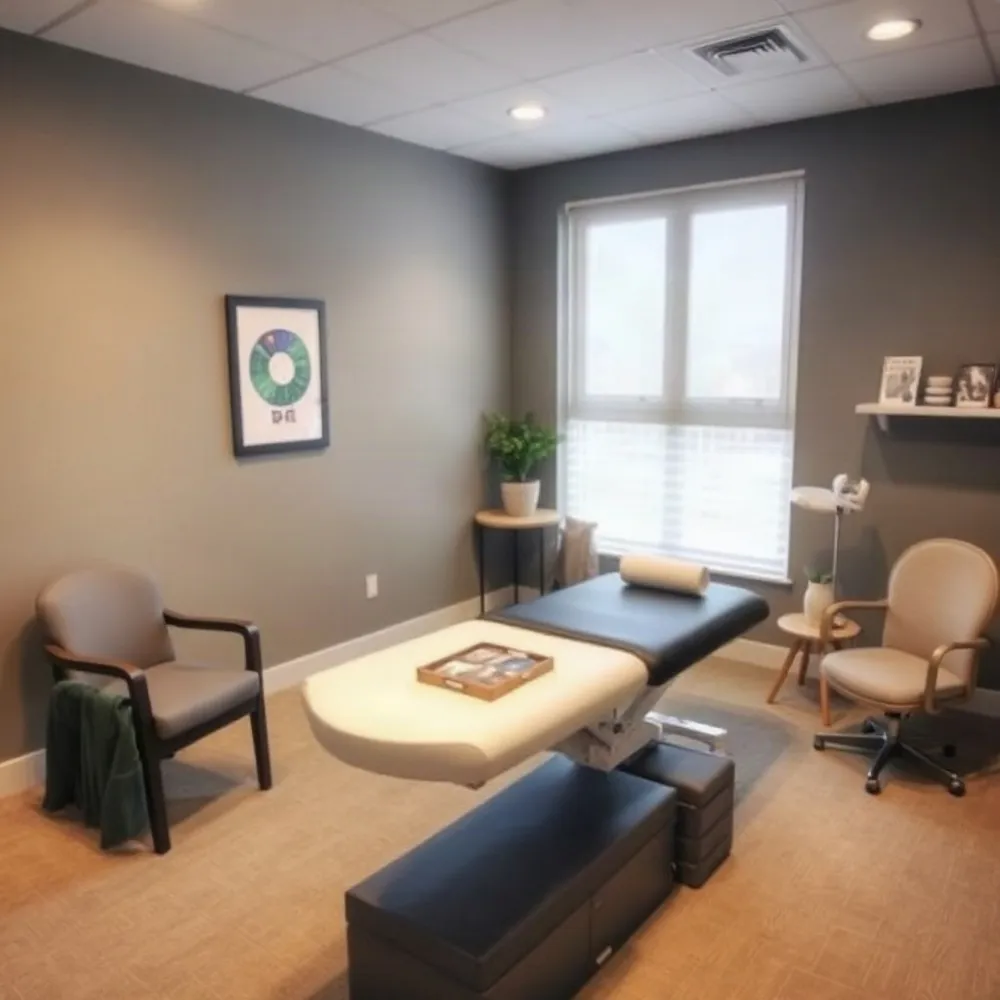
A Calm Start for Families
For Raleigh parents, a first chiropractic visit for a child can feel unfamiliar. Knowing what a thoughtful appointment may involve can help you prepare and give your child a simple, reassuring explanation: the clinician will listen, ask questions, and learn about how their body moves.
The visit should start with your child’s story and an age-appropriate assessment, not an assumption that an adjustment will follow. You can share what prompted the appointment, when the concern began, and how it affects your child’s activities. Your child should have room to ask questions and express discomfort, too. A review of pediatric chiropractic research finds that evidence varies by condition, making it reasonable to ask what a proposed approach is intended to address and what supports it (review of evidence and safety).
At Osborne Chiropractic Clinic, pediatric care is part of a broader family-focused practice, but the available information here does not confirm the clinic’s specific first-visit steps. Before booking, contact the clinic to ask what the appointment includes, who should attend, and how any care recommendation is explained. You can also review this parent guide to a child’s first chiropractic visit for questions to bring.
Start With Your Child’s Story
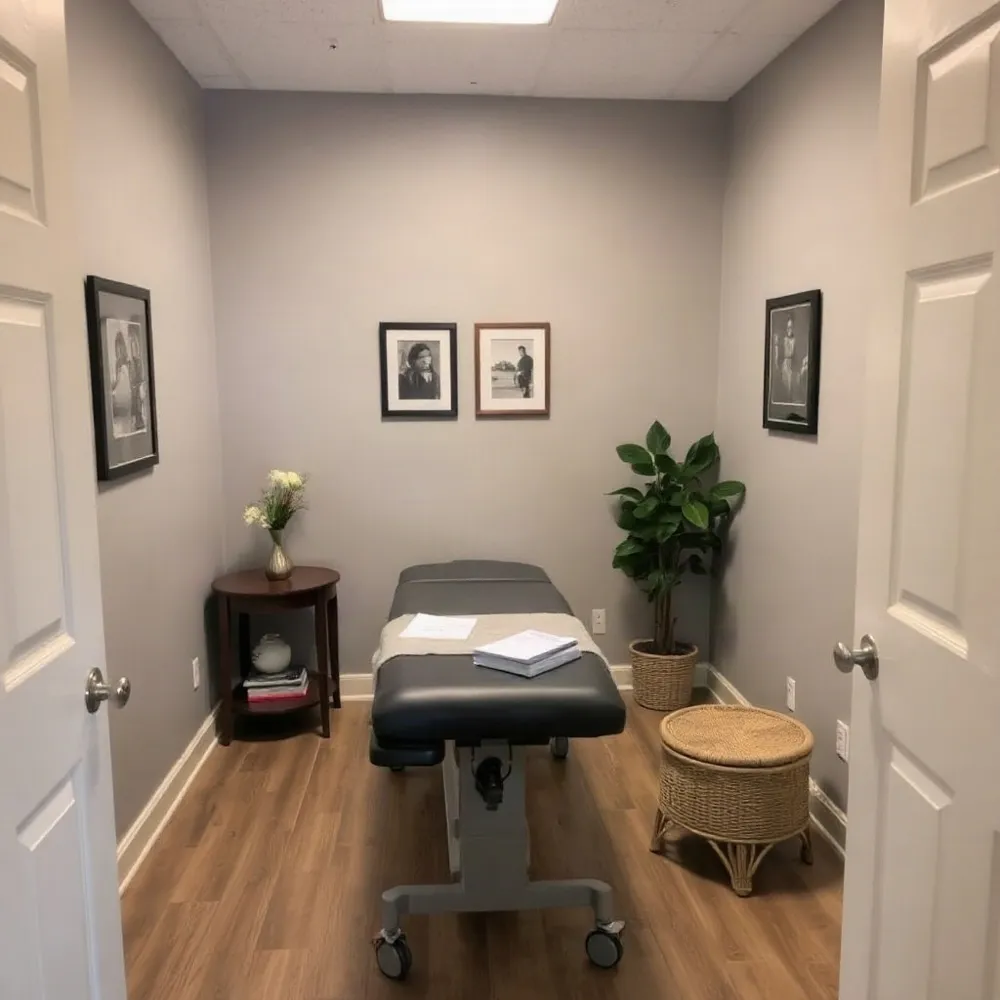 A child’s first appointment should begin with a conversation, not an assumption that treatment is needed. At Osborne Chiropractic Clinic in Raleigh, families can share what prompted the visit and ask how the child’s concern will be assessed; feel free to ask about the clinic’s pediatric appointment process. One Raleigh parent recently shared how their child’s back pain improved after a few visits, and they appreciated the clear communication throughout.
Be ready to describe when symptoms began, what seems to affect them, and whether they interfere with sleep, school, sports, or other activities. Share observations about posture, movement, discomfort, or changes in activity. Older children and teens can explain in their own words what they feel and which movements or routines have become difficult.
The chiropractor may ask about health and developmental history, diagnoses, medications, ongoing care, and previous injuries. Daily routines can also help put the concern in context, so mention relevant sports, activity levels, or other patterns you have noticed. Questions should reflect the child’s age and the reason for the visit.
Bring relevant medical records or imaging if available, a medication list, and notes about symptoms or injuries. A familiar toy or other comfort item may help a younger child settle. A simple explanation, such as “the chiropractor will learn how your body moves,” can make the visit feel less unfamiliar. Let your child know they can ask questions and speak up if they feel uncomfortable.
Parents can ask about the chiropractor’s experience with children, what the assessment involves, and how any proposed care would fit the child’s age and comfort. Ask how progress would be reviewed, and consider discussing recommendations with the child’s pediatrician. It's important to get clear explanations of the intended benefits, risks, and alternatives before proceeding.
An Examination Tailored to the Child
 When you bring your child in, we start by listening to your concerns. Then, we watch how they stand, walk, and move. Every exam is tailored to what your child is experiencing. No cookie-cutter approach here.
Your child's age, size, and development shape how we approach the exam. It is never just a smaller version of an adult visit. At Osborne Chiropractic Clinic, pediatric care is practical and personalized. We want you to feel comfortable asking how we tailor our approach specifically for your child.
An evaluation does not automatically mean treatment. Sometimes the best recommendation is a referral to another specialist or simply monitoring the concern. It is always okay to ask, 'What is this approach meant to address?' For more context, this review of evidence and safety in pediatric chiropractic care is a great resource for Raleigh families.
We explain every step in plain language, for both you and your child. Before any hands-on care, we check in on your child's comfort and make sure you have time to ask every question on your mind. This pediatric chiropractic evidence and guidance page can help you prepare questions before your visit.
Good questions to ask include: What did the exam find, and how does it relate to my child's concern? Do we need further evaluation? What are our options if we do not proceed with care? Getting clear answers helps your family make a confident choice. No pressure, just partnership.
Discussing Care and Possible Concerns
For Raleigh families considering chiropractic care for their children, here's what you can expect. At Osborne Chiropractic Clinic, we start with a gentle check-up and a conversation about your child's health history. Our care is hands-on and personalized, but a check-up doesn't mean an adjustment is automatically needed.
You might have concerns about your child's back, neck, or joint discomfort, limits in movement, or pain from sports and everyday activities. These concerns help guide our conversation, but they don't guarantee that chiropractic care will help. Research on benefits for children is still growing, and results vary by condition. You can read more in this review of pediatric chiropractic evidence and safety.
If we recommend care, it will be tailored to your child's age, size, development, and comfort. Always ask your clinician to explain any technique in language you and your child can understand. We also encourage discussing possible benefits, risks, and alternatives before making a decision.
Chiropractic care is not a replacement for routine pediatric checkups or prescribed medical treatment. It focuses on bone and muscle health, not other medical concerns. Share your child's full medical history with us, and consult your pediatrician when needed. The Canadian Paediatric Society’s discussion of chiropractic care for children highlights the importance of considering the reason for care and avoiding delays in appropriate medical treatment.
Before starting care, ask what it is intended to address, what benefits and risks are possible, what alternatives are available, and when progress will be reviewed. As a parent or guardian, you should have a clear opportunity to give your agreement, and your child should be invited to ask questions and share comfort concerns in a way that makes sense for their age.
Many Raleigh families have shared how chiropractic care has helped their children recover from sports injuries and manage everyday aches. If you have questions, we're here to listen and help you make the best choice for your family.
What Research Can and Cannot Tell You
You may want a clear answer about whether chiropractic care is safe and effective for your child. Current research doesn't offer one answer for every child or concern. A 2024 review in Clinical Pediatrics found that evidence varies by condition and remains limited, with many common uses lacking clear conclusions about benefit. The review of evidence and safety is a useful starting point for your questions, not a guarantee of results.
The safety picture also needs careful wording. The review describes serious side effects as rare in the literature, but it also discusses documented serious complications. Mild effects, including soreness, have been reported, and the available evidence does not establish a precise level of risk. Care should not be described as risk-free.
What may be appropriate depends on your child’s age, health, reason for the visit, and the technique being considered. A general statement about pediatric chiropractic care cannot show that a particular approach suits your child. At Osborne Chiropractic Clinic in Raleigh, you can raise these questions during your visit and discuss how any proposed care would be tailored to your child.
Many Raleigh families have shared how chiropractic care has helped their children feel better, whether from sports injuries, backpack strain, or everyday discomfort. Ask what evidence supports the proposed approach for your child’s specific concern, what techniques are being considered, and what possible risks and alternatives you should understand. You can also ask how progress will be checked and what findings would lead the clinician to change the plan or recommend a referral.
Discuss care that works alongside your child’s regular doctor when appropriate, particularly if symptoms are persistent, severe, or unexplained. Chiropractic care should not delay diagnosis or established medical treatment. Osborne Chiropractic Clinic’s family-focused care can include discussing your child’s existing medical care, so questions and next steps remain grounded in your child’s broader health needs.
Questions That Help You Choose
Choosing a chiropractor for your child is easier when you leave the conversation with clear answers, not pressure to decide on the spot. Raleigh families can use these questions to understand the clinician’s approach and whether it fits their child.
- What training and experience do you have working with children my child’s age?
- What does the first visit include, and how will you adapt the examination and any proposed care to my child?
- What techniques might you consider, and what possible benefits, risks, and alternatives should we understand?
- How will you review progress, and when would you stop or change the plan?
- What symptoms or changes should prompt follow-up, and would communication with my child’s pediatrician or another provider be appropriate?
Ask the clinician to explain how a recommendation relates to your child’s specific concern and what evidence supports it. Research on pediatric chiropractic care varies by condition, so a careful provider should describe uncertainty rather than promise an outcome. The 2024 review of evidence and safety offers useful context for that discussion.
Notice how the conversation feels. You and your child should have room to ask questions, express discomfort, and decline a proposed step. At Osborne Chiropractic Clinic, the practice’s hands-on, personalized approach emphasizes education and individual attention; families can ask how those principles would apply to their child’s visit.
A good discussion should leave you understanding the options and next steps, including whether care should be coordinated with your child’s pediatrician. If answers are unclear, it is reasonable to pause and seek more information before choosing.
When Medical Evaluation Comes First
 As a parent in Raleigh, you want the best for your child's health. Sometimes, that means checking with a medical doctor before starting chiropractic care. Here are some signs that it's time to talk to your pediatrician first.
If your child has pain that doesn't go away, gets worse, or happens after a bad fall or accident, it's a good idea to see your pediatrician first. Also check with them if your child has a fever, is losing weight without trying, seems unusually tired, or has pain that wakes them up at night. One Raleigh parent we worked with first visited their pediatrician when their child had ongoing back pain after a sports injury. That gave them peace of mind before starting chiropractic care.
You should get urgent medical care if your child has new weakness or numbness, trouble walking, difficulty breathing, confusion, unusual sleepiness, or severe pain that keeps getting worse. A bad headache along with confusion or vomiting also needs quick medical attention. These signs mean it's best to see a doctor before considering chiropractic.
Before starting chiropractic care, talk to your child's doctor if they have a known medical condition, bone problems, a history of cancer or infection, or take medication that could affect their bones or bleeding. Pediatric experts recommend checking with a doctor when there's any concern about a serious illness or injury, and working together with other healthcare providers when needed (pediatric chiropractic best-practice recommendations).
This is general advice, not a diagnosis. If you're ever unsure, pause and ask your pediatrician or another qualified healthcare professional what's best for your child. At Osborne Chiropractic Clinic in Raleigh, we believe that knowing when to refer a child to a pediatrician is a sign of responsible care, not a reason to delay treatment.
Choose a Thoughtful Next Step
A useful first visit should leave you clear about what the assessment found, whether chiropractic care is being considered, and what alternatives or referrals may fit your child’s needs. At Osborne Chiropractic Clinic, families can discuss the child’s history and concerns before deciding whether to proceed; an adjustment is not a promised part of the visit.
Bring notes about symptoms, injuries, and questions, and invite your child to share concerns in a way that suits their age. Ask what a proposed approach is meant to address, what is known about its benefits and risks, and when progress should be reviewed. Research on pediatric chiropractic care remains limited for many conditions, so the 2024 evidence review offers useful context for that conversation.
If your child has ongoing medical needs or you are unsure whether care is appropriate, speak with their pediatrician. A thoughtful decision puts your child’s comfort and health first, with room to pause, ask more, or consider another option.