Start With Your Individual Treatment Plan
If you’re in Raleigh and wondering how many spinal decompression visits you might need, the honest answer is that there is no single session count for everyone. Your symptoms, health history, and response to care all help shape the plan.
At Osborne Chiropractic Clinic, spinal decompression is offered with the DRX9000 non-surgical disc decompression system. Whether it fits your needs, and how often you might come in, should be discussed after an individual assessment rather than assumed from a general estimate.
Some clinics describe courses lasting several weeks, but those schedules are examples, not a prescription for you. A plan should be revisited as your symptoms and daily activities change. Osborne Chiropractic Clinic’s approach includes personalized attention and education, so ask what the assessment involves, how progress will be checked, and what changes might prompt a different care plan.
Spinal nerve compression can cause pain that travels into an arm or leg, numbness, tingling, or weakness. These symptoms do not by themselves show that non-surgical decompression is appropriate. Hospital for Special Surgery’s overview of spinal decompression surgery describes surgical care, so it should not be read as guidance on DRX9000 treatment schedules.
How Spinal Decompression Therapy Works
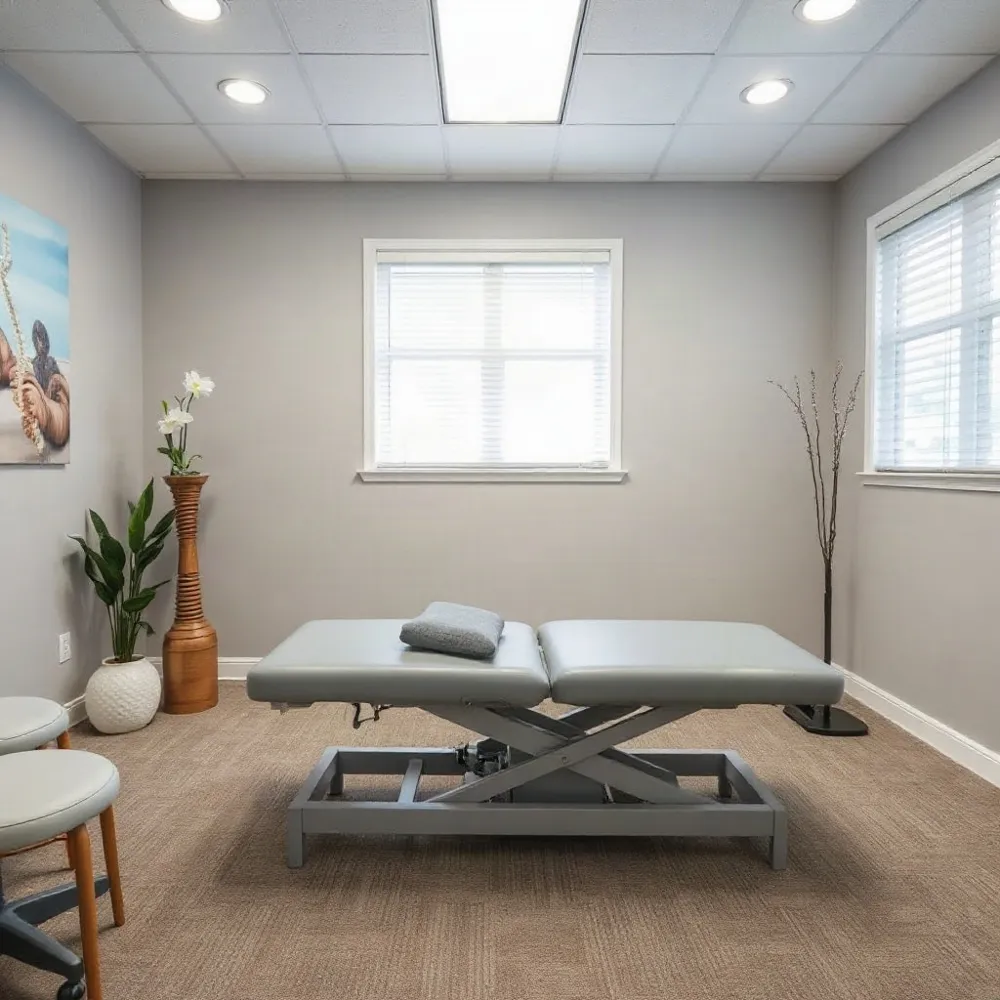 How Spinal Decompression Therapy Works
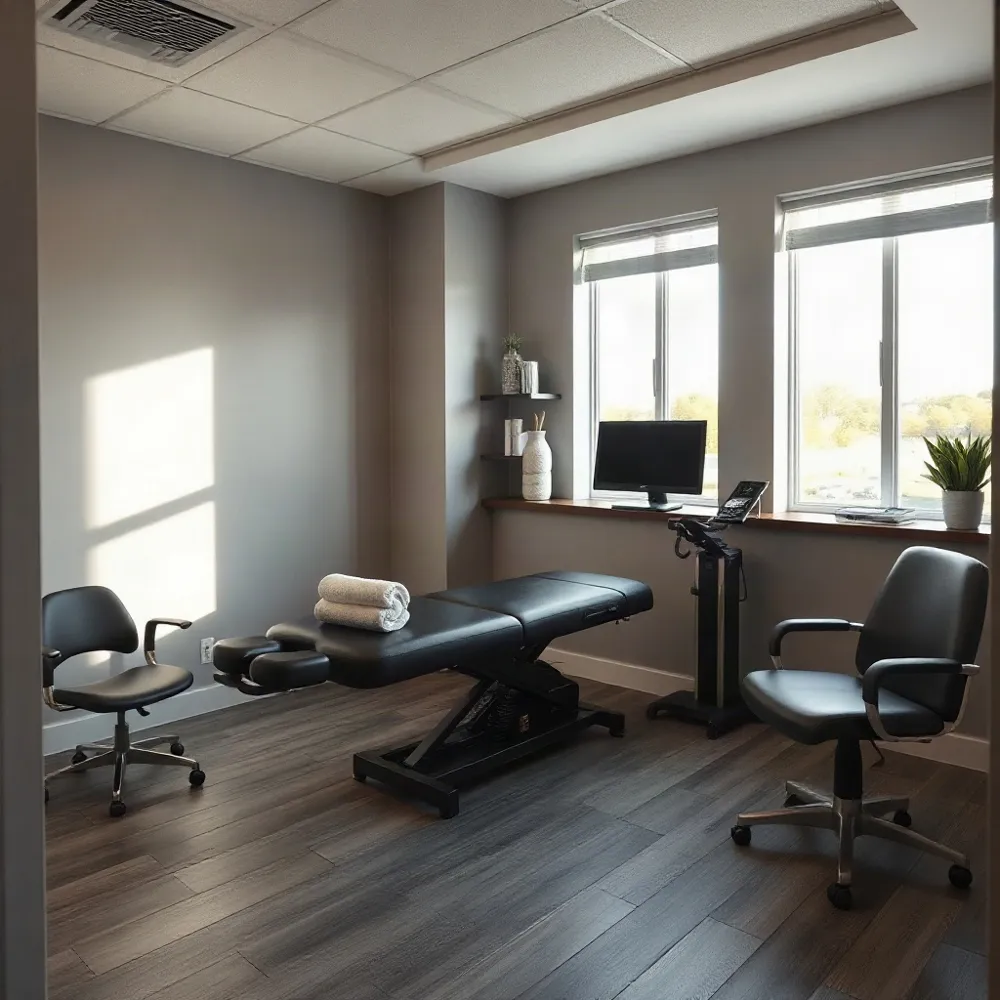
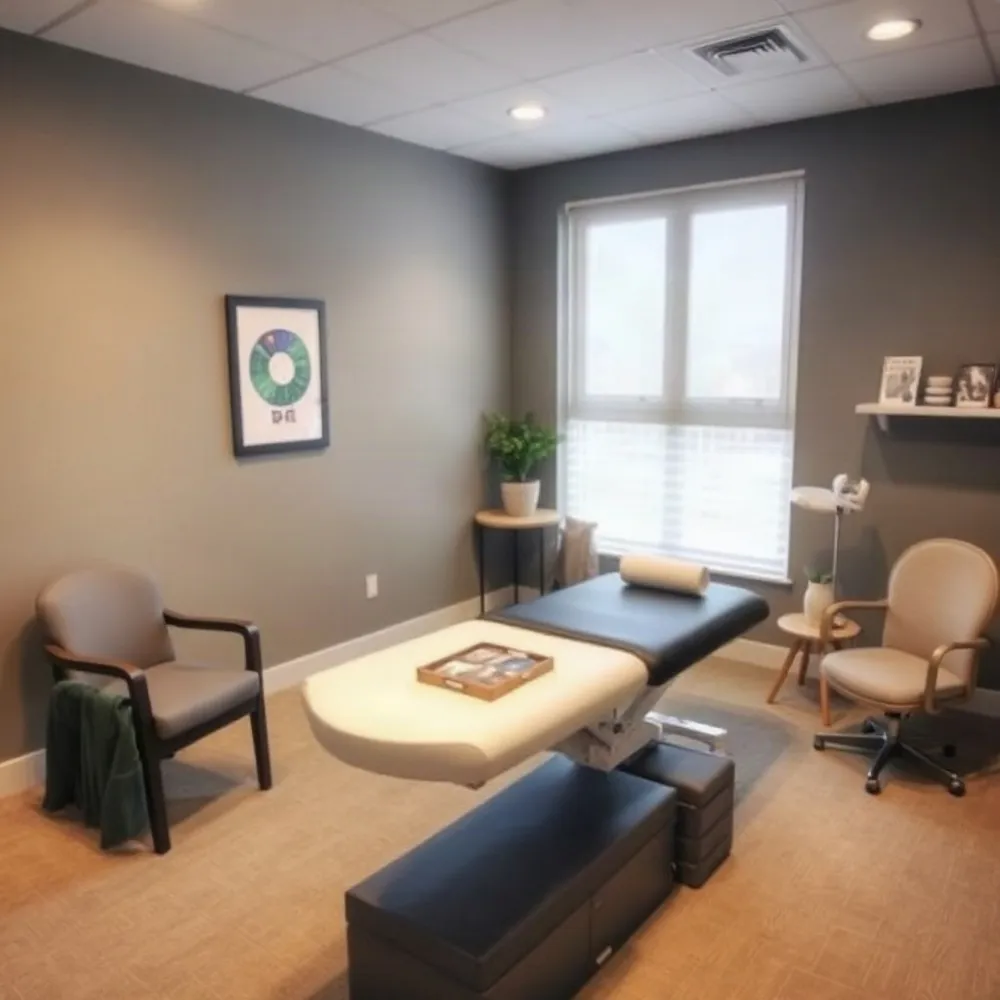
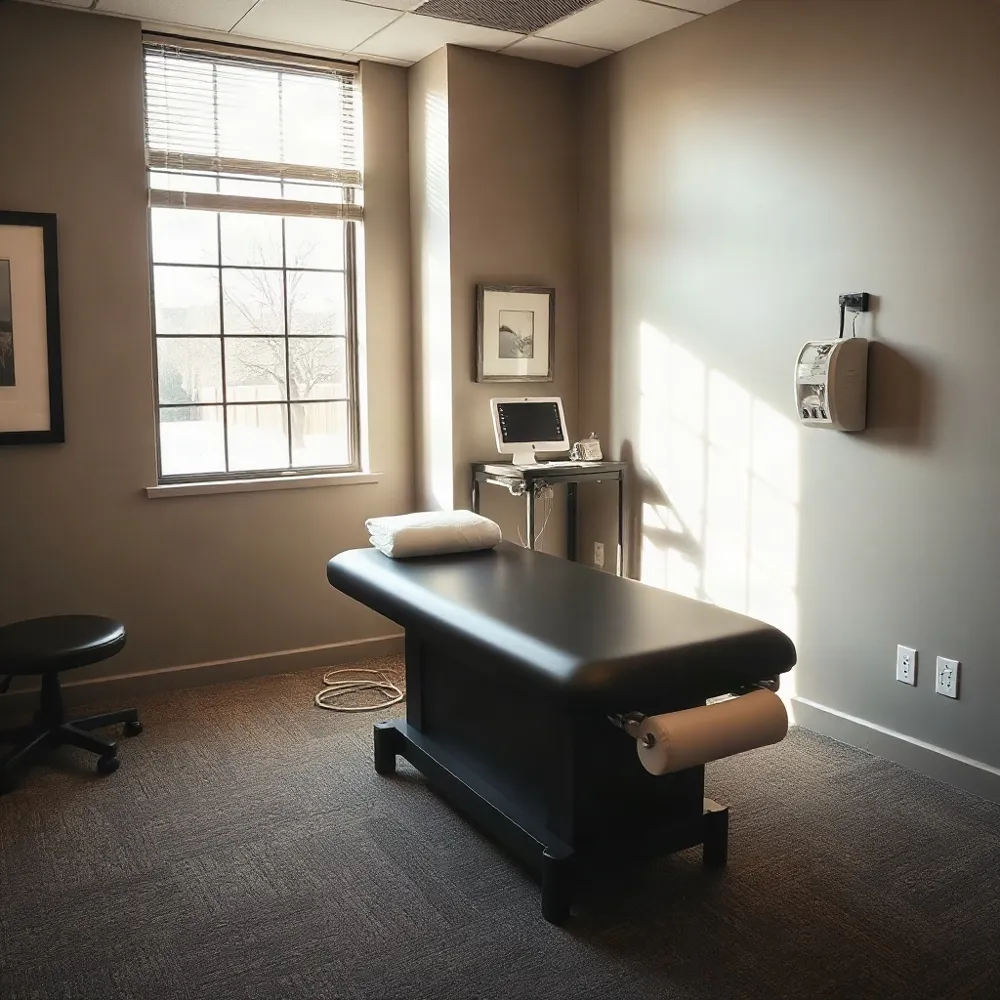
Spinal decompression therapy is a gentle, non-surgical treatment that uses controlled stretching to help relieve pressure on your spinal discs and nerves. During a session, you'll lie comfortably on a specialized table that moves in a slow, rhythmic pattern, providing a soothing stretch to your spine.
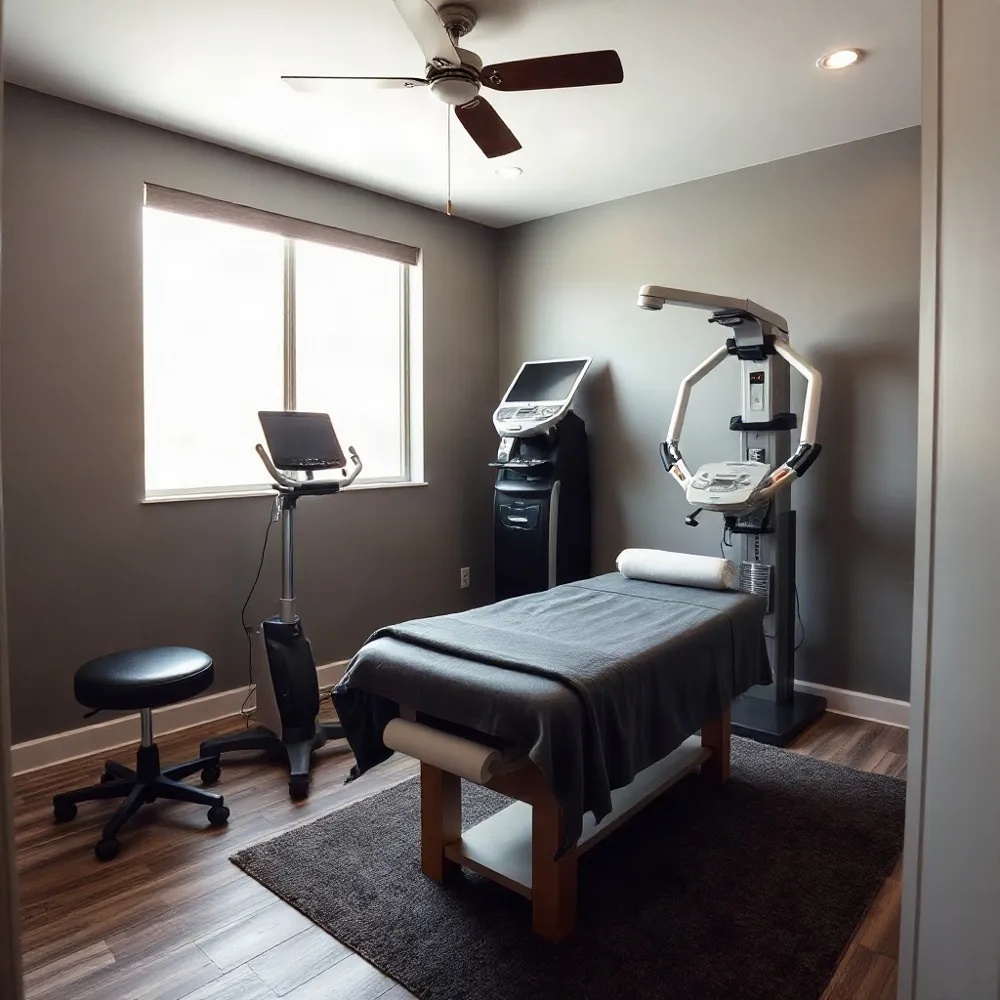
This isn't surgery or a DIY solution—it's a professional treatment we customize for you right here in our Raleigh clinic. At Osborne Chiropractic Clinic, we use the DRX9000, a table designed specifically for this purpose. But what really makes the difference is our personalized approach. We'll assess your unique situation and create a plan that addresses your specific pain points.
Many of our Raleigh patients have found spinal decompression helpful for conditions like sciatica or chronic back pain. For example, one patient shared how they were able to return to gardening after just a few sessions. While results vary, we're committed to helping you find the relief you deserve.
Your journey starts with a conversation. We'll discuss your symptoms, answer your questions, and determine together if spinal decompression is a good fit for you. It's all part of our hands-on, patient-centered care at Osborne Chiropractic Clinic.
Who May Be Considered for Treatment
Are you or a loved one in the Raleigh area dealing with persistent back or neck pain that just won't quit? You might be wondering if chiropractic care could help. At Osborne Chiropractic Clinic, we take the time to understand your unique situation before recommending any treatment.
Our process starts with a friendly conversation about your symptoms, health history, and daily activities. We'll also talk about what you do for work and fun, because your lifestyle matters. If you've had X-rays or an MRI, we can review them, but don't worry if you haven't — we don't always need them.
We have a special tool called the DRX9000 that can gently decompress discs without surgery. But it's not right for everyone. We'll only suggest it if it truly fits your needs after a thorough assessment.
Many of our Raleigh patients have found real relief from nagging pain. One local dad told us he could finally play catch with his kids again after his care plan. We love hearing stories like that!
Of course, safety comes first. Some conditions — like pregnancy, recent fractures, or certain implants — may mean we need to take a different approach. We'll always review your health history carefully and let you know what's best.
Please keep us updated on any medications or changes in your health. If something feels off during a session, just speak up so we can adjust. And if you ever notice sudden weakness or trouble walking, it's important to get medical attention right away — we can help guide you to the right care.
We're here for you and your family, right here in Raleigh. Let's work together to find the relief you deserve.
What the Evidence Can and Cannot Tell You
 You might have heard the term “decompression” used for different kinds of care. For example, some surgeries use it to relieve pressure on nerves. But the DRX9000 is a non-surgical option, and the research on it is still growing. That means we can’t say for sure exactly how it works, who it helps most, or how many visits you might need.
The DRX9000 uses gentle, controlled stretching of the spine. But we can’t promise that it will reliably relieve pain or put a disc back in place. The research just isn’t that clear yet. One study looked back at a group of people with long-term disc-related low back pain. But that study didn’t compare them to a group that didn’t get the treatment, some people also had other treatments, and only some of them reported how they were doing later.
Because of these limitations, the study can’t prove that the machine alone caused any improvements, and it can’t predict how you personally will respond. At Osborne Chiropractic Clinic in Raleigh, we offer DRX9000 decompression, but we believe in being upfront with you. We’ll talk about what we know, what’s still uncertain, and why this plan might be a good fit for your needs.
Before you start any care, ask your chiropractor which research applies to your situation and whether other options might work better for you. Talk about the costs you can expect and decide together how you’ll track your progress, like changes in pain, movement, or daily activities. Regular check-ins will help us see if the plan is working or if we need to adjust it.
What Shapes the Number of Visits
How many sessions are typically needed, and when might you notice results? General sources describe estimates such as 15 to 25 visits over four to eight weeks, but these figures are reference points, not a guaranteed course or an Osborne Chiropractic Clinic protocol. Other published estimates and schedules differ, which reflects the lack of one established visit count for everyone.
At Osborne Chiropractic Clinic in Raleigh, the plan should reflect your symptoms, health history, and response to care. Factors that may shape it include how long you have had pain, its severity and likely cause, whether it travels into an arm or leg, your spinal health, and the demands of work, family, and daily activity.
Some general schedules begin with several visits per week, then change as symptoms, movement, and tolerance change. More frequent treatment is not automatically better, and a schedule should be adjusted if sessions increase discomfort or do not fit your needs. A few visits may bring small changes for some people, while others notice progress later; neither timing nor results can be promised.
A treatment-table session commonly lasts about 20 to 45 minutes. The full appointment may take longer if it includes an assessment, imaging review, or other care. Osborne Chiropractic Clinic uses the DRX9000 non-surgical disc decompression system, but the equipment does not determine how many visits you need. Ask how progress will be checked and when the plan may be revised. For a separate overview of surgical procedures, spinal decompression surgery describes a different treatment, not a session schedule for non-surgical therapy.
Track Progress and Set Realistic Expectations
 A few sessions may bring an early change, but clearer improvement can take several weeks, and some people notice little at first. These are possible patterns, not promises. Here in Raleigh, at Osborne Chiropractic Clinic, we discuss your progress alongside your care on the DRX9000, paying close attention to how your symptoms and daily activities are changing. One of our Raleigh patients recently told us that after a few weeks, they were able to play with their kids again without pain—small victories like that make the journey worthwhile.
Pain ratings are only part of the picture. Your clinician may also ask whether you can sit, walk, work, sleep, or return to activities more comfortably. Note changes between visits, including new symptoms or discomfort during treatment, so they can inform the next check-in. We encourage you to keep a simple journal of how you feel each day—it can reveal progress you might not notice otherwise.
A treatment plan should respond to what those checks show. At Osborne Chiropractic Clinic, care is personalized, so the schedule may be adjusted, paused, or stopped if improvement is limited, treatment is not tolerable, or reassessment points to another approach. You do not need to assume that a preset package should continue regardless of your response. We're here to adapt with you.
How long can the effects of spinal decompression care last?
There is no dependable duration that can be promised. Relief varies with the cause of your symptoms, your body's response, and ongoing physical demands. Symptoms may return, and we cannot guarantee benefits will last for a set number of months or years. Ask your clinician how progress will be reviewed and what to do if symptoms come back.
Decompression care is not a guaranteed alternative to surgery. For context, surgery to relieve nerve pressure may be considered for some pinched-nerve problems when nonsurgical care has not helped. If you experience new or worsening weakness, difficulty walking, or bowel or bladder changes, please seek prompt medical attention rather than simply another routine therapy session.
Risks, Warning Signs, and Aftercare
Spinal decompression is not a fit for everyone, and a session may bring temporary soreness or discomfort. At Osborne Chiropractic Clinic, the DRX9000 is part of care guided by an individual assessment, not a promise of relief. Treatment should feel controlled and tolerable. Tell your chiropractor if the pull feels sharp, intense, or wrong, or if your pain worsens.
There are practical downsides, too: a course involves repeated appointments, time, and possible expense, and it may not bring meaningful or lasting relief. If symptoms do not improve, or change in an unexpected way, contact your provider so the plan can be reviewed rather than assuming more sessions are always the answer.
What should patients do or avoid after a spinal decompression session?
Follow your chiropractor’s instructions, since aftercare depends on your situation. If it feels comfortable, an easy walk may be appropriate. For a few hours, general guidance may include avoiding heavy lifting, strenuous workouts, repeated bending or twisting, and prolonged slumped sitting. Keep track of pain and changes in movement, and contact your provider if symptoms worsen or new symptoms appear.
Routine soreness is different from warning signs that need prompt medical attention. New bowel or bladder problems, numbness around the groin or saddle area, rapidly developing or severe weakness, difficulty walking, fever with back pain, or pain after major trauma should not wait for a routine decompression appointment. These symptoms can indicate a serious problem; spinal nerve compression warning signs warrant timely medical evaluation.
Ask About Coverage and Total Cost
Does insurance cover spinal decompression therapy, and what might it cost? Coverage varies by plan, and some insurers may not cover non-surgical spinal decompression as a separate service. Contact your insurer to ask how the treatment is classified and what documentation is needed. Before beginning care, ask the clinic to check your benefits as well.
The total cost depends on the number of visits and any other services included in your care plan. Published estimates of about $30 to $200 per session are broad reference points, not Raleigh pricing, and may not reflect fees at Osborne Chiropractic Clinic. Confirm current charges directly rather than relying on an online range.
Request a written estimate that outlines the expected visits, services, insurance contribution, and likely out-of-pocket amount. Osborne Chiropractic Clinic offers flexible payment plans, so ask what options may be available for your circumstances. A clear cost discussion can help you make an informed decision before committing to care.
Make the Plan a Conversation
The right number of spinal decompression visits is not a standard package or a guaranteed result. It should follow an assessment and change if your symptoms or function change.
If you are considering Osborne Chiropractic Clinic’s DRX9000 in Raleigh, bring your questions to a provider. Discuss your symptoms, goals, health history, what the evidence can and cannot show, other care options, visit schedule, total cost, and how progress will be measured. Osborne Chiropractic Clinic combines the DRX9000 system with individualized, hands-on care, so your plan can reflect your circumstances rather than a preset count.
Seek urgent medical assessment for new bowel or bladder problems, rapidly worsening weakness, or difficulty walking. These symptoms may signal serious nerve or spinal cord problems, as described in HSS’s overview of spinal decompression surgery, and should not wait for a routine appointment.