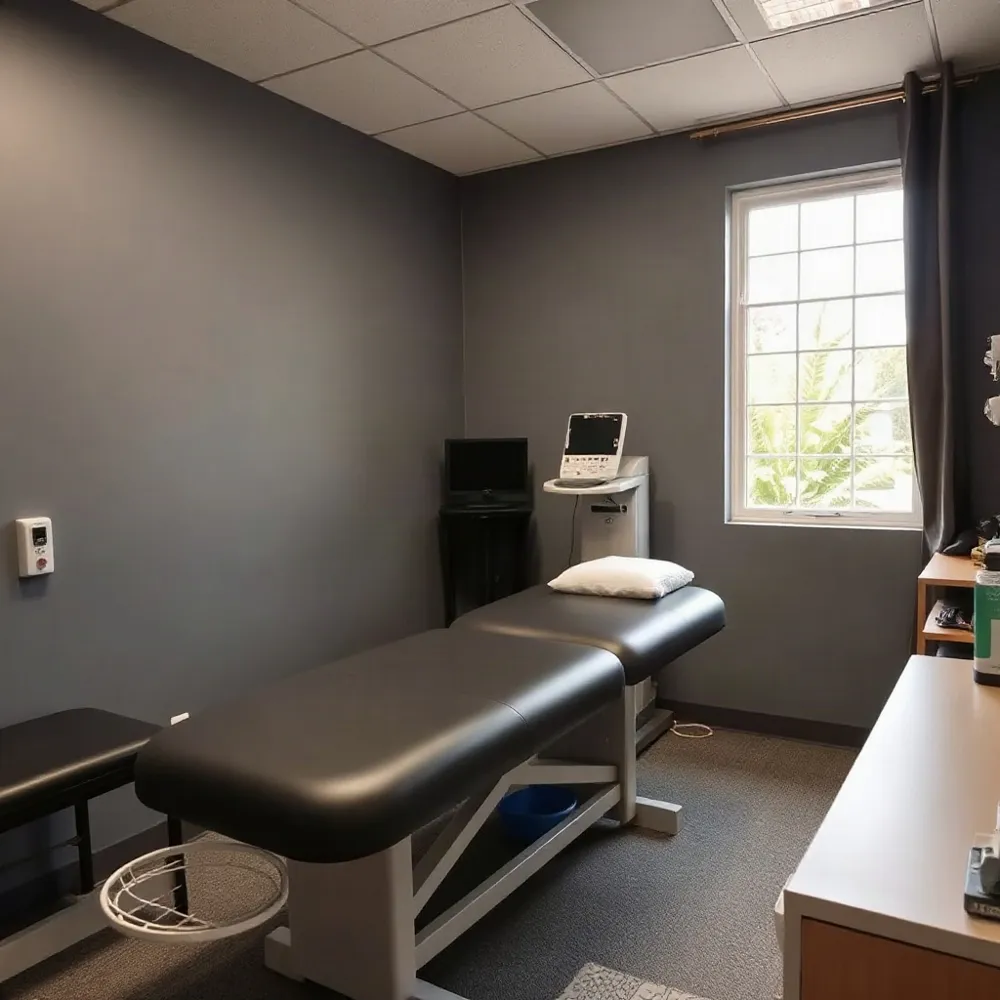
When Neck Symptoms Appear Later
You may feel fine after a car collision or sports injury, then notice neck pain or stiffness later that day or over the next few days. Delayed symptoms are common with whiplash, so feeling well at first does not rule out an injury. Mayo Clinic explains that symptoms may begin days after the event.
For Raleigh families and individuals, the practical first step is to get an appropriate assessment if symptoms develop after an injury. A clinician can check your symptoms and decide whether further evaluation is needed before you consider hands-on care. Seek prompt medical attention for numbness, weakness, dizziness, or trouble swallowing.
At Osborne Chiropractic Clinic, care is hands-on and personalized, including Gonstead and Diversified adjustment methods. Whether chiropractic care is suitable depends on the individual assessment and injury. Recovery varies, and adjustments are not a guaranteed cure or a replacement for medical evaluation.
Understanding Whiplash and Its Symptoms
 Whiplash is a neck injury caused when the head is forced suddenly backward and forward, straining muscles and other tissues. Rear-end collisions are a common cause, but falls and sports injuries can also produce this motion. Cleveland Clinic’s overview of whiplash describes how the injury can affect more than one type of tissue in the neck.
What is whiplash, and what symptoms can it cause? Common signs include neck pain or stiffness, pain that worsens with movement, and difficulty turning the head. Headaches may begin near the base of the skull, and discomfort can spread to the shoulders or upper back.
Some people also experience tingling or numbness in an arm, dizziness, or fatigue. Less common symptoms include blurred vision, ringing in the ears, trouble concentrating, or disrupted sleep. Symptoms vary, and they do not confirm whiplash or rule out a fracture or another injury.
After a collision or other injury, seek a medical assessment if symptoms develop. In Raleigh, Osborne Chiropractic Clinic offers hands-on care and advanced x-ray imaging, but symptoms alone cannot establish whether chiropractic treatment is appropriate. A qualified professional can assess the injury and determine whether further evaluation is needed.
Why Symptoms Can Be Delayed
Yes, whiplash symptoms can appear days after an accident. Neck pain or stiffness may take hours or several days to become noticeable, so feeling fine at first does not rule out an injury. Mayo Clinic explains that symptoms often begin within a few days.
Watch for neck stiffness, headaches, reduced range of motion, tenderness in the shoulders or upper back, dizziness, and tingling or numbness in an arm. If symptoms develop after a collision, a healthcare professional can assess them and check whether further evaluation is needed.
Many cases improve within days or a few weeks, but recovery varies. More severe symptoms may last weeks or months, and some people experience longer-term pain or other effects. Seek follow-up if pain persists, worsens, or interferes with daily activities rather than relying on a fixed recovery timeline.
At Osborne Chiropractic Clinic in Raleigh, care is hands-on and personalized, with treatment choices guided by the patient's needs. The clinic offers Gonstead and Diversified adjustment methods, but an assessment by a healthcare professional should come first when symptoms appear after an injury.
Get an Assessment Before Choosing Care
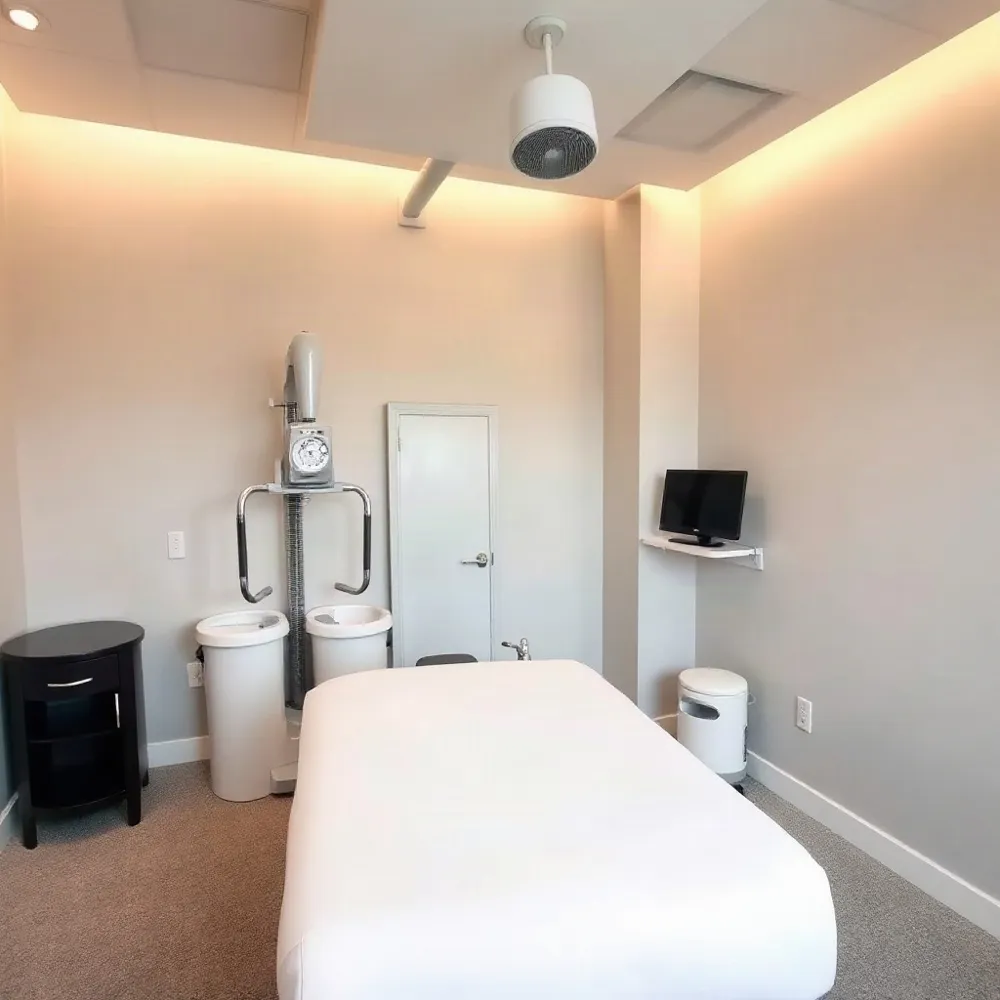 If neck pain or other symptoms develop after a crash, fall, or sports injury, arrange a prompt medical assessment, even if you felt fine at first. Neck stiffness, headache, reduced movement, dizziness, or pain in the shoulder or arm are all reasons to seek advice. Mayo Clinic recommends professional care when whiplash symptoms appear after an injury.
Your clinician may ask how the injury happened, when symptoms began, what makes them worse, and how they affect everyday activities. An examination can include checking neck movement and tenderness, as well as strength, reflexes, and sensation in your arms and hands. These details help guide next steps rather than relying on symptoms alone.
Whiplash itself usually does not show up clearly on imaging, so a normal scan does not rule it out. X-rays and CT scans can help identify fractures or other bone problems, while MRI can show some injuries involving discs, ligaments, or the spinal cord. A healthcare professional decides whether imaging is appropriate to investigate other causes or possible serious injury.
Seek urgent assessment for severe or worsening pain, weakness, numbness or tingling, vision changes, dizziness, or difficulty swallowing. Loss of consciousness or confusion after an injury calls for emergency care. These symptoms need medical attention before choosing hands-on treatment.
For Raleigh patients considering chiropractic care, Osborne Chiropractic Clinic offers hands-on care and advanced x-ray imaging, but imaging and treatment choices should follow an appropriate clinical assessment. A clinician can help determine whether chiropractic care is suitable or whether further medical evaluation is needed first.
Recovery Options and Home Care
 How is whiplash treated, and what can you do at home? Care depends on the injury and symptoms. A healthcare professional may recommend appropriate pain relief, guided movement exercises, or physical therapy to restore neck movement and help you return to daily activities. Mayo Clinic’s whiplash treatment guidance notes that treatment should be matched to the person’s needs.
At home, follow your clinician’s instructions and stay gently active as tolerated. Adapt tasks and avoid movements or activities that aggravate your symptoms. Do not force stretches or try to manipulate your own neck. If an exercise increases pain, stop and ask a healthcare professional for guidance.
A wrapped cold pack or comfortable warm compress may help ease soreness. Stop using it if symptoms worsen, and ask a healthcare professional or pharmacist which pain medicines are appropriate for you. At Osborne Chiropractic Clinic in Raleigh, care is hands-on and personalized; any movement or treatment plan should reflect your assessment and comfort.
Home measures can support recovery, but they are not a substitute for assessment after an accident. If symptoms are severe, worsening, persistent, or include numbness, tingling, or weakness, seek medical advice promptly.
Considering Chiropractic Care Carefully
Can chiropractic care help with whiplash, and how would a chiropractor assess it?
Chiropractic care may help some people with pain or limited neck movement, but it is not an established stand-alone cure. A systematic review found some evidence of possible improvement, while noting that the evidence for clinical practice was limited and not certain. Mayo Clinic says manipulation applies pressure to joints, and some studies suggest it may ease pain when combined with exercise or physical therapy as part of care.
Before discussing treatment, a provider should ask how the injury happened, when symptoms began, what movements worsen pain, and whether you have relevant health concerns. An examination may check movement and tenderness. If findings suggest a more serious injury, medical assessment or imaging may be needed before hands-on care.
At Osborne Chiropractic Clinic in Raleigh, care is personalized and may involve Gonstead or Diversified adjustment methods. Those options are not right for everyone, so suitability should be discussed before proceeding. The clinic also describes its approach to chiropractic care for whiplash.
Can chiropractic adjustments make whiplash worse, and when might they be unsuitable?
Hands-on treatment may aggravate symptoms, especially before an injury has been assessed. Spinal manipulation can cause minor problems such as numbness or dizziness and, rarely, damage to spinal tissues. Tell your provider about new or worsening symptoms. Suspected fracture, severe or worsening pain, or new weakness or numbness calls for prompt medical assessment rather than an attempted adjustment.
What does the evidence say about chiropractic care for whiplash?
Evidence does not establish that chiropractic care works better than other recommended treatments for everyone. Ask about possible benefits, limitations, risks, and how progress will be checked.
A Safer First Step After Injury
Raleigh readers who notice delayed neck pain or stiffness should arrange an assessment before choosing chiropractic adjustments. Tell your clinician when symptoms began and how they are changing, and ask about risks, expected benefits, and alternatives. At Osborne Chiropractic Clinic, care is hands-on, personalized, but no adjustment is guaranteed to help. Seek prompt care for urgent or worsening symptoms.