Start With Your Pain and Goals
Ongoing back, neck, joint, or muscle pain can make everyday routines harder, whether you are working, caring for family, or staying active around Raleigh. If you are considering acupuncture or chiropractic care, it helps to start with a practical question: what kind of support fits your symptoms and goals?
The approaches differ. Chiropractic care focuses on joint movement and musculoskeletal function, often using hands-on adjustments. Acupuncture uses thin needles placed at selected points. Either may be considered for some pain concerns, but neither is right for everyone, and a person’s response can vary.
At Osborne Chiropractic Clinic, patients can ask about both chiropractic care and acupuncture, alongside services such as spinal decompression. A thoughtful choice starts with understanding what each treatment involves, what the evidence can and cannot show, and what safety questions matter for your health. Discuss your symptoms, preferences, and medical history with a qualified health professional before deciding. The sections ahead offer a clear starting point for that conversation, not a substitute for an individual assessment.
How the Two Approaches Differ
 Chiropractic care starts with an assessment of how joints and surrounding muscles move. Treatment may include hands-on spinal or joint adjustments, with the technique chosen to suit the person’s symptoms and examination. A chiropractic adjustment is one option, not a standard procedure that is right for everyone.
Acupuncture uses very thin needles placed at selected points on the body. Traditional Chinese medicine describes these points in relation to qi and pathways called meridians; Western explanations focus on stimulation of nerves, muscles, and connective tissue. The Mayo Clinic’s overview of acupuncture explains both perspectives.
For back or neck pain, stiffness or limited movement may prompt a conversation about chiropractic care. Pain or muscle tension, or a preference for a needle-based approach, may lead someone to ask about acupuncture. These are starting points for discussion, not firm rules. Your health history, comfort, and an individual assessment all matter.
At Osborne Chiropractic Clinic in Raleigh, both chiropractic care and acupuncture are offered. Patients can discuss their symptoms and preferences with a provider, then ask whether one approach, both, or another option may fit their needs. Neither treatment guarantees relief, and the choice should reflect the person’s circumstances.
What Evidence Can and Cannot Tell You
 Research can help frame a treatment conversation, but it cannot predict exactly how a particular person will respond. For chronic, nonradicular low-back pain lasting more than 12 weeks, the American College of Physicians lists both acupuncture and spinal manipulation among non-drug options to consider. The guideline does not say that one is better than the other, and it found too little evidence to identify which patients are most likely to benefit from a particular physical therapy. The ACP guideline therefore supports a choice shaped by your symptoms, preferences, and clinical assessment, not a promise of results.
A paper on acupuncture and chiropractic care for chronic musculoskeletal pain is sometimes cited in discussions of these treatments. It is important to read its purpose accurately: the 2011 article described a planned study, or protocol, rather than reporting completed results that proved one approach more effective. The study protocol set out to examine real-world outcomes and patient experiences.
Satisfaction surveys can offer a glimpse of how people feel about care, but they are not head-to-head clinical trials. If you encounter reported satisfaction figures, treat them as survey responses, not proof that either treatment works better. People may differ in their symptoms, expectations, treatment received, and reasons for choosing care.
For a practical comparison, decide what improvement would matter in your everyday life. You might track pain, ability to work or enjoy family activities, sleep, overall quality of life, and any unwanted effects. At Osborne Chiropractic Clinic in Raleigh, discussing these goals and your response over time can help inform an individualized plan; the clinic offers both chiropractic care and acupuncture, but the evidence does not guarantee a particular outcome.
Ask your provider when to review progress and what would prompt a change in approach. A useful plan makes room to reassess whether the care is helping you function better, not just whether a session felt helpful in the moment.
When Chiropractic Care May Be Considered
Lower-back pain is a common reason people consult a chiropractor. Before recommending care, a chiropractor can review your symptoms and health history and assess how you move. That evaluation helps determine whether chiropractic care may suit your situation or whether another kind of medical assessment is needed.
When appropriate, a plan may include hands-on spinal adjustments intended to ease pain and improve movement, along with practical guidance on posture, exercises, or self-care. The Cleveland Clinic’s overview of chiropractic adjustments describes individualized assessment and other supportive approaches. Some people improve, but response varies, and an adjustment is not a guaranteed fix.
For acute, subacute, and chronic nonradicular low-back pain, the American College of Physicians includes spinal manipulation among non-drug options. Its guideline for low-back pain does not establish that manipulation is best for everyone, and the recommendations should not be generalized to radiating nerve pain such as sciatica.
At Osborne Chiropractic Clinic in Raleigh, patients can ask whether Gonstead or Diversified adjustments, or other available services, are appropriate for their symptoms and goals. A conversation about the assessment, options, and expected progress can help you decide what feels suitable.
Seek urgent medical care for severe or rapidly worsening back pain, new weakness in a leg, or loss of bladder or bowel control. These symptoms need prompt medical attention rather than waiting for a routine appointment.
Acupuncture for Ongoing Pain
Acupuncture may be considered for ongoing lower-back or neck pain, osteoarthritis, fibromyalgia, and headaches, including migraines. It involves placing very thin needles at selected points on the body. These are possible uses, not a promise of relief, and people respond differently.
The Mayo Clinic’s overview of acupuncture explains that needling may stimulate nerves, muscles, and connective tissue. That stimulation may affect the body’s natural pain-relief response, but the proposed mechanism does not mean acupuncture will work for every person or condition.
For Raleigh patients weighing options, acupuncture can be discussed as one part of care, not a substitute for medical assessment or prescribed treatment. Osborne Chiropractic Clinic offers acupuncture as well as hands-on chiropractic care, so patients can ask about the approach that best fits their symptoms and goals.
Can acupuncture help with chronic pain, and what are its potential risks? It may help some people manage pain, but evidence and individual results vary, and lasting relief is not guaranteed. A common plan may involve one or two sessions each week, with six to eight treatments often typical. The schedule depends on the condition and its severity.
When a trained practitioner uses sterile, single-use needles, acupuncture is generally considered low risk. Temporary soreness, bruising, minor bleeding, or lightheadedness can occur; infection or injury is rare but possible, particularly with improper technique. Tell the practitioner about health conditions and medications, especially blood thinners, and ask your healthcare provider whether acupuncture is suitable for you.
Combining Care With Coordination
Acupuncture and chiropractic care do not have to be an either-or choice. Some people may consider both, with chiropractic care focused on joint movement and spinal function and acupuncture used as an option for managing pain. Whether either or both fit depends on the person’s symptoms, preferences, and clinical assessment.
A research protocol on chronic musculoskeletal pain describes acupuncture and chiropractic as approaches people may use alongside conventional care, while noting that it was designed to study real-world outcomes rather than prove that combining them is better. Read the study protocol with that limitation in mind.
Before starting or changing treatment, tell your health professionals about your medical history, current care, and goals. At Osborne Chiropractic Clinic in Raleigh, patients can ask about the clinic’s chiropractic care and acupuncture and discuss how either service might fit their needs. This conversation can help clarify suitability and timing, but it does not guarantee that both approaches will be recommended.
Practical details matter, too. Coverage may differ between services, and some plans may limit access to non-drug treatments. Check your insurance benefits and expected costs before beginning, and ask providers how they will communicate about your care.
Safety Starts With an Honest Assessment
Is chiropractic care safe for back pain, and what side effects can occur? For many people, an adjustment from a trained, licensed chiropractor may be an option, but suitability depends on symptoms and health history. Temporary soreness, stiffness, or mild aches can follow treatment and typically ease within a day, though some people may feel sore for a little longer. The Cleveland Clinic’s overview of chiropractic adjustments describes these effects and notes that serious complications are rare.
Rare serious complications have been reported, including problems involving spinal discs or nerves. One older commentary assessed evidence available in 2002; it is not a current clinical guideline and does not compare chiropractic care with acupuncture. Its age and scope matter when interpreting its discussion of risks. Before treatment, tell your chiropractor about your symptoms, past injuries, medical conditions, and medications. Numbness, tingling, or weakness in an arm or leg deserves careful assessment before an adjustment is considered.
At Osborne Chiropractic Clinic, an honest discussion of your history and concerns can help inform whether an approach is appropriate. The clinic offers hands-on chiropractic care and acupuncture, but the choice should be based on an individual assessment rather than assumed in advance.
Acupuncture also has possible side effects. Risks are low when a competent, certified practitioner uses sterile, single-use needles; minor soreness, bleeding, or bruising can occur. Tell the practitioner about health conditions and medications, including blood thinners, and ask about any concerns before care begins. Mayo Clinic’s acupuncture guidance recommends discussing your health and treatment with the practitioner.
Seek prompt medical attention for new or worsening weakness, numbness, severe pain, or other concerning symptoms after treatment. Do not wait for another appointment if symptoms feel urgent.
Recognizing Sciatica and Warning Signs
 Sciatica describes a pattern of pain that travels from the lower back or buttock down the leg. Tingling, numbness, or weakness can also occur. The symptoms may reflect irritation of a nerve, but their cause varies, so the label alone does not determine which treatment is suitable.
Chiropractic care may help some people with related back pain or restricted movement, but it is not a guaranteed fix for sciatica or every pinched nerve. A chiropractor can assess symptoms and movement and discuss whether an adjustment or another option may be appropriate. Osborne Chiropractic Clinic in Raleigh offers chiropractic care and spinal decompression; patients can ask whether either may be worth discussing for their particular symptoms, without assuming either is a recommendation.
Research does not establish a clear rule for choosing chiropractic care over acupuncture, or vice versa, for radiating nerve pain. The American College of Physicians guideline addresses nonradicular low-back pain, meaning pain that does not radiate along a nerve. Its recommendations should not be generalized to sciatica. A clinician can help assess the likely cause and whether further medical evaluation is needed.
Seek urgent medical assessment for new or worsening leg weakness, numbness around the groin, or loss of bladder or bowel control. These symptoms need prompt attention rather than a routine treatment appointment. If you are unsure how quickly to seek care, contact a medical professional or emergency service for guidance.
What to Expect During Treatment
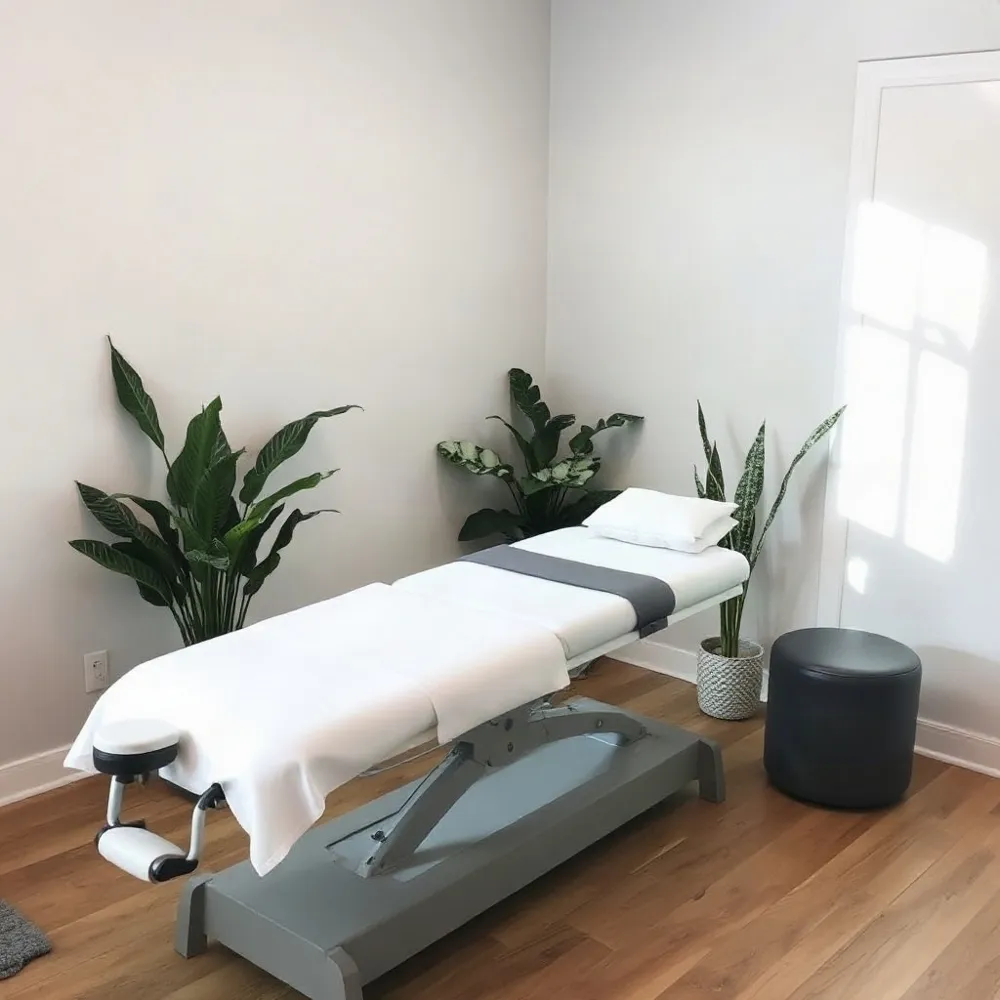
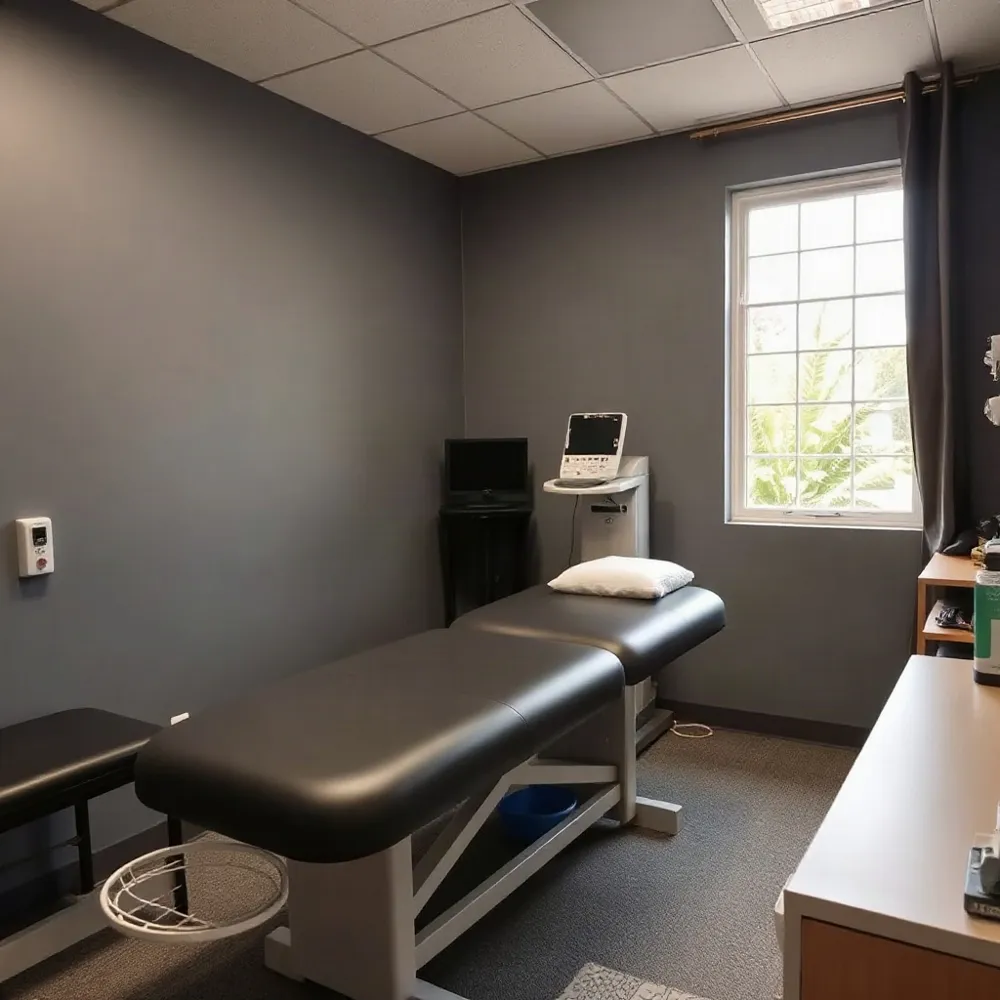
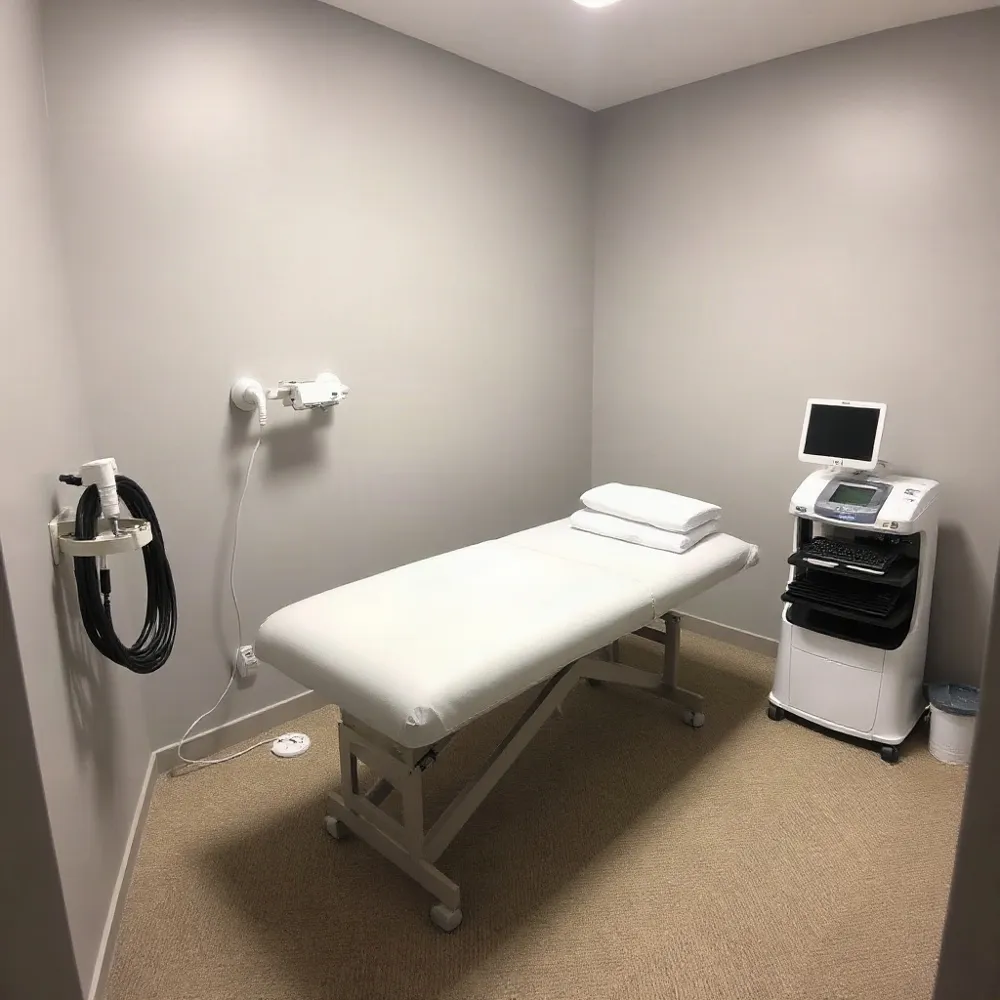
Knowing what a session may feel like can make it easier to speak up and stay comfortable. At Osborne Chiropractic Clinic, care is hands-on and provided in private adjusting rooms, and you can ask questions before treatment begins.
Does acupuncture hurt?
Acupuncture needles are very thin. Insertion may feel like a brief pinch, tingling, warmth, or mild pressure, though sensations vary and some people feel little or nothing. A mild ache can also occur. Tell the practitioner if you feel sharp or lasting pain so they can check the needle or adjust the treatment. Mayo Clinic’s acupuncture guidance describes what patients may experience during a session.
What might I feel after an adjustment?
Mild soreness, stiffness, or tiredness may follow a chiropractic adjustment as your body responds to hands-on treatment. Some people notice no change or feel more relaxed. If you feel sore, rest if needed, drink water, and follow your chiropractor’s aftercare instructions. Contact the clinic if discomfort is severe, worsening, lasts more than a few days, or concerns you.
New weakness, numbness, or trouble walking calls for urgent medical attention. These symptoms should not be treated as routine post-treatment soreness; Cleveland Clinic’s adjustment guidance advises prompt evaluation for unusual symptoms such as weakness or numbness. Share comfort concerns before or during care, and ask for an explanation or pause whenever you need one.
Choose Through Conversation and Follow Up
Choosing between acupuncture and chiropractic care is a personal decision, not a test with one right answer. Your symptoms, their possible cause, health history, comfort with needles or hands-on treatment, past experiences, and goals all matter. The American College of Physicians guideline lists both acupuncture and spinal manipulation among options for chronic nonradicular low-back pain, without naming one as best for everyone.
Talk with a qualified health professional about what may suit your situation, and check with your insurer before starting care, since coverage can vary. To judge whether a plan is helping, note changes in pain as well as practical activities, such as sleeping, working, walking, or caring for family. Share those observations at follow-up visits so your provider can discuss whether to continue, adjust, or reconsider the approach.
For Raleigh patients weighing these options, Osborne Chiropractic Clinic offers both chiropractic care and acupuncture. You can ask the clinic about the services, discuss your symptoms and preferences, and learn whether either approach may fit your goals. No treatment guarantees relief, so keep the conversation open and seek medical guidance when symptoms need further evaluation.