Understanding Disc-Related Pain
Back pain that shoots into your leg can make ordinary tasks, from getting comfortable to walking around Raleigh, feel difficult. A herniated disc may press on or irritate nearby nerves, contributing to pain, tingling, or numbness in the back or leg. Cleveland Clinic’s overview of herniated disks explains how symptoms can vary with the disc’s location.
Non-surgical spinal decompression is one option to discuss when symptoms may be related to a disc. It is not a guaranteed solution, and an individual assessment is needed to understand what may be causing your pain and which care approaches fit your health history.
At Osborne Chiropractic Clinic, an independently owned Raleigh practice, spinal decompression with the DRX9000 is offered alongside chiropractic adjustments and acupuncture. A conversation with a provider can help you consider whether decompression belongs in a broader care plan.
How the DRX9000 Applies Traction
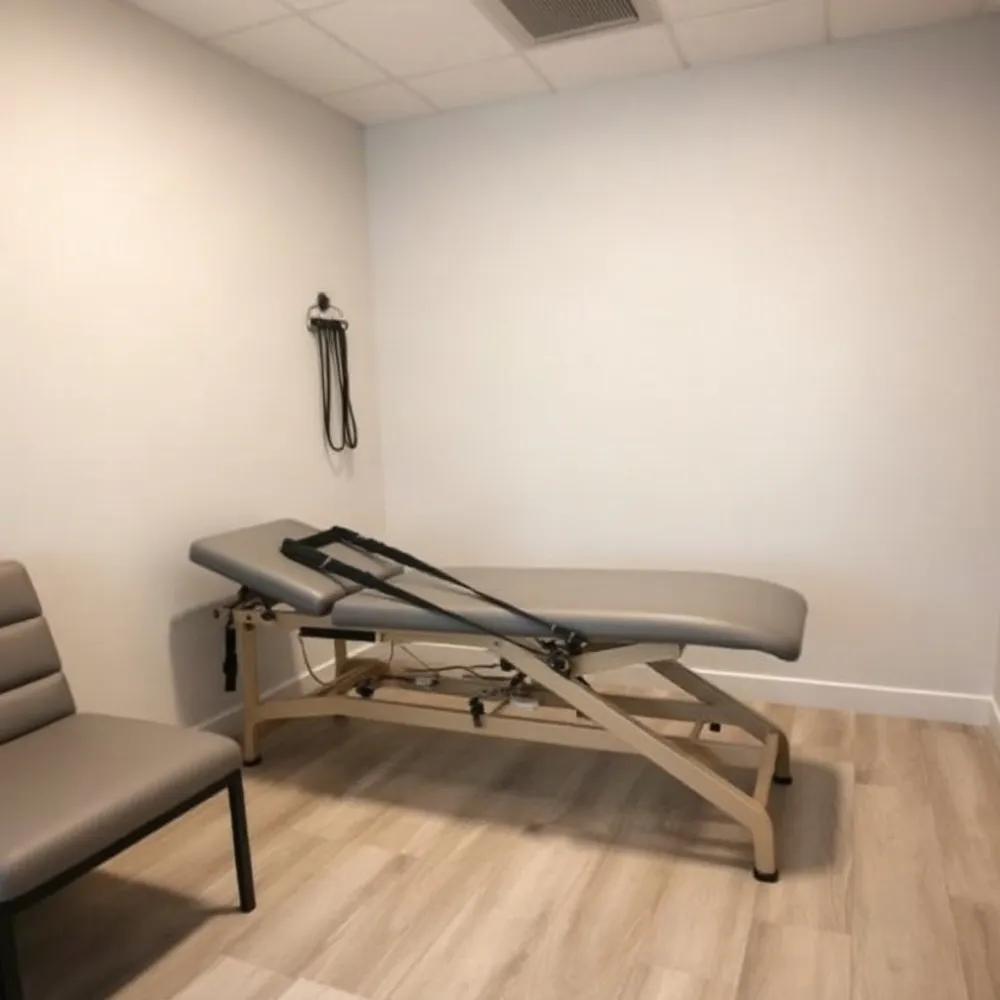 Non-surgical spinal decompression uses motorized traction to gently stretch the spine. It is different from surgical decompression, which involves an operation to relieve pressure on nerves or the spinal cord. The University of Utah Health overview of decompression therapy explains this distinction and describes traction as one non-surgical approach.
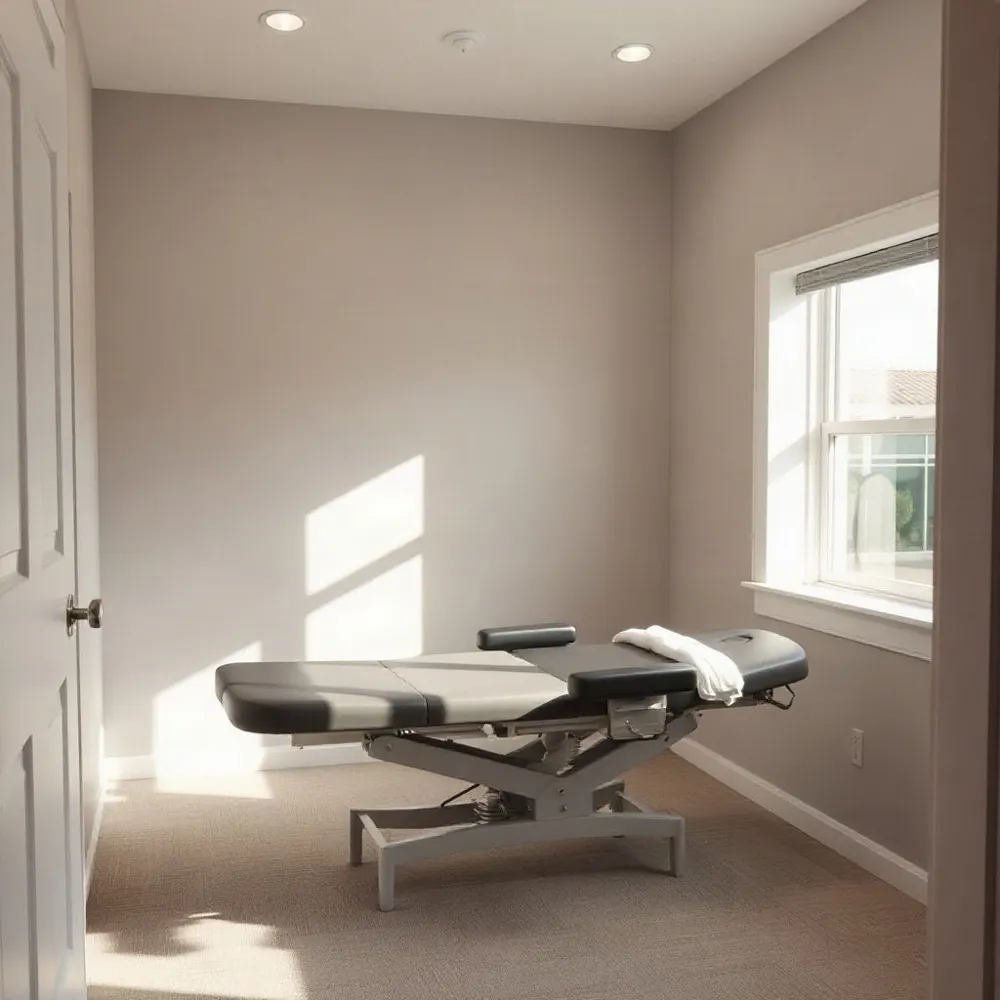
At Osborne Chiropractic Clinic in Raleigh, the DRX9000 system uses a padded table and support harnesses. You lie on the table while computer-guided movement alternates controlled pulling with relaxation. The exact approach should be discussed with the chiropractor rather than assumed from a general description of the device.
The treatment aims to change pressure around targeted discs and nearby nerves. Researchers have proposed that traction may affect pressure within a disc or the space around nerve openings, but these are possible mechanisms, not proof that a disc will move back into place or heal. A study of the DRX9000 reported an association between treatment and changes in pain and disc height, while noting that further research is needed to confirm the findings (Johns Hopkins study).
If you are considering treatment, a Raleigh chiropractor can review your symptoms and health history, explain whether decompression may be appropriate, and discuss alternatives. Relief is not guaranteed, and the right plan depends on your individual condition.
What Research Says About Possible Relief
Can non-surgical spinal decompression help with a herniated or bulging disc? It may help some people with disc-related symptoms, but results vary. A 2022 randomized trial studied adults aged 18 to 60 with MRI-confirmed, subacute lumbar disc herniation. Participants received active decompression or a sham procedure using the same setup without traction. The analyzed groups were small, so the findings cannot predict what will happen for an individual patient.
At three months, the MRI-based herniation index, a measure of herniation size rather than pain, fell by an average of 27.6% with active decompression and 7.1% with the sham procedure, a significant difference in this trial. This imaging result does not mean that every participant felt better or that a disc was cured. Read the 2022 randomized trial for its methods and limitations.
Pain findings were more mixed. Low-back pain improved in both groups, but active decompression did not significantly outperform the sham procedure for that outcome at any measured point. Leg pain was significantly lower in the active group at the two-month assessment only, while disability scores favored active treatment at two and three months. These results suggest possible benefits for some measures, not an advantage across every outcome.
What are the possible benefits and limitations of spinal decompression therapy? Some people may see improvement in leg symptoms or daily function, but treatment is not guaranteed to relieve pain or reposition a disc. The researchers described decompression as a possible conservative-care option and noted that medication, physiotherapy, or exercise may also be appropriate as part of a broader plan.
At Osborne Chiropractic Clinic in Raleigh, spinal decompression is offered with the DRX9000 system alongside hands-on care and patient education. An individual assessment can help determine whether it fits your situation and how progress should be checked, rather than relying on an MRI measurement alone.
Recovery Can Happen Without Surgery
Can a herniated disc improve without surgery? Yes. Many herniated discs get better with time and nonsurgical care, often over several weeks, though the pace and extent of recovery differ from person to person. Cleveland Clinic’s guidance on herniated disks notes that symptoms may improve even as an imaging finding remains.
A clinician may recommend gentle movement, physical therapy, or other nonsurgical care based on your symptoms and health history. Osborne Chiropractic Clinic offers spinal decompression with the DRX9000 alongside chiropractic care, but decompression should not be treated as the cause of natural recovery or as the right option for everyone.
Surgery may be considered when pain remains disabling despite treatment or when there is significant nerve involvement. A clinical assessment helps determine the appropriate next step. Seek urgent medical care for new or worsening weakness, numbness around the groin, or loss of bladder or bowel control.
Screening, Safety, and Possible Side Effects
 Is spinal decompression therapy safe, and who should avoid it? It may suit some people after screening, but it is not right for everyone. Before care begins, share your diagnoses, medications, prior procedures, and any recent changes in symptoms. At Osborne Chiropractic Clinic, treatment options include the DRX9000, but a device does not replace an individual review of your health history.
A small 2022 trial reported no adverse events attributed to decompression among participants during follow-up. That finding does not show that treatment is risk-free for everyone, and the researchers noted limitations in the study design and follow-up.
Pregnancy, severe osteoporosis, a spinal fracture or tumor, certain spinal hardware, and an abdominal aortic aneurysm call for avoidance or medical guidance. Prior spine surgery, spinal instability, significant arthritis, heart conditions, blood-thinning medication, or active infection also need careful review. These concerns do not all mean the same thing, so do not decide your eligibility based on a checklist alone.
Does spinal decompression therapy hurt, and what side effects can occur? It is intended to feel like controlled pulling, though each person’s experience differs. Temporary soreness, stiffness, muscle tightness or spasms, or increased symptoms may occur. Tell your provider promptly if pain worsens. The clinician may adjust or pause treatment, and increased pain should not be taken as a sign that therapy is working.
New or worsening weakness, trouble walking, or loss of bladder or bowel control needs urgent medical evaluation, not a trial of decompression. These symptoms can signal serious nerve involvement requiring prompt care.
Setting a Plan and Measuring Progress
 How long do the effects of spinal decompression last, and is it a permanent fix? Relief varies with the cause of your symptoms, overall health, and response to care. It is not a guaranteed permanent fix, and symptoms can return. At Osborne Chiropractic Clinic in Raleigh, discuss your goals and expectations with the chiropractor before starting.
How many spinal decompression sessions are typically needed? There is no set number or frequency for everyone. A 2022 randomized study used 10 sessions over eight weeks, but that was the researchers’ protocol, not a promise of results or an Osborne Chiropractic Clinic schedule. The study offers context, while an individual plan depends on symptoms, examination findings, and response to care.
Ask the chiropractor what schedule is proposed, when progress will be reviewed, and which changes might lead to continuing, adjusting, or stopping treatment. Tracking pain alongside practical changes, such as walking, sleep, or daily activities, can help make progress easier to discuss.
You can also ask how progress will be measured and whether other care or at-home steps may fit your situation. A clear plan helps you understand what to expect without assuming decompression alone will resolve the problem.
Ask About Costs Before Starting
What does spinal decompression therapy cost, and does insurance cover it? Costs vary by clinic and by the number of visits recommended, while coverage depends on your insurance plan.
Before beginning care at Osborne Chiropractic Clinic, ask for the per-visit cost and estimated total for your proposed plan. Contact your insurer to check coverage, referral requirements, and whether prior authorization is needed.
Ask the clinic about payment plans and any other out-of-pocket expenses, too. Knowing the full cost in advance can help Raleigh patients compare options and decide what fits their budget.
Make an Informed Next Step
For some people with disc-related pain, spinal decompression may be worth discussing, but research is limited and results vary. Raleigh readers can ask Osborne Chiropractic Clinic about an individual evaluation, expected benefits, limitations, alternatives, costs, and ways to track progress.
Seek urgent medical care for new bladder or bowel problems, severe or worsening weakness, or trouble walking. These symptoms need prompt assessment, not a routine decompression appointment.