
Start With Your Neck Pain
A stiff neck can make ordinary parts of the day feel harder, from turning your head while driving around Raleigh to sitting comfortably at work, exercising, or getting a good night’s sleep. When discomfort lingers, it is natural to look for practical ways to move more easily and feel better.
Acupuncture and chiropractic care are different approaches that some people consider for neck pain. Acupuncture uses thin needles at selected points, while chiropractic care focuses on the spine and musculoskeletal system, often using hands-on techniques. Research suggests each may have a role for some people, but the available evidence does not show that one is best for everyone. Reviews of chiropractic spinal manipulation describe it as one conservative option, while evidence for acupuncture includes possible benefits alongside important limits in the research.
The right starting point is understanding your symptoms, health history, and goals, then discussing suitable options with a qualified health professional. Osborne Chiropractic Clinic is an independently owned Raleigh practice offering both chiropractic adjustments and acupuncture, with individualized, hands-on care and patient education. This guide compares what each approach involves, what research can and cannot tell us, and how personal preferences and professional assessment can help shape a decision.
How Chiropractic Care May Help
 Chiropractic care focuses on the spine and musculoskeletal system, including the joints and muscles that help you move. A chiropractor may use manual adjustments or other hands-on approaches to support movement and ease pain or stiffness. Research reviews describe spinal manipulation as one conservative option for nonspecific neck pain, with results that may be comparable to other recommended treatments rather than consistently better than them (review of spinal manipulation research ).
Can chiropractic care help with neck pain or a stiff neck? It may help some people, particularly when symptoms involve muscles or joints, but it is not suitable for every cause of neck pain and relief is not guaranteed. Prolonged sitting, repetitive activities, or an injury can contribute to discomfort, though only an assessment can help clarify what may be contributing in your case.
At Osborne Chiropractic Clinic in Raleigh, a chiropractor can discuss your symptoms, review your history, and help you understand whether chiropractic care may be a reasonable option for you. If you are experiencing neck pain or stiffness, we invite you to schedule an appointment to explore your options in person.
What Research Says About Both Options
Research does not establish that acupuncture or chiropractic care is best for neck pain. The available sources do not provide a strong, direct comparison of the two, so it is more useful to look at what each body of evidence says and discuss how it fits your symptoms and goals.
A 2021 review found that spinal manipulation may work about as well as other recommended conservative treatments for nonspecific and chronic primary neck pain, including exercise, physical therapy, and standard medical care. It did not show that manipulation is superior. The review supports combining it with exercise and patient education as part of a broader care plan, rather than relying on adjustments alone. At Osborne Chiropractic Clinic in Raleigh, care is hands-on and personalized, with patient education included in the clinic’s approach. Read the review of spinal manipulation for spine pain.
How Acupuncture Differs
For neck or shoulder pain, the main difference is how treatment is delivered. Chiropractic care typically uses hands-on techniques to address spinal and musculoskeletal function, while acupuncture uses thin needles at selected points and does not involve joint adjustment. Neither approach is right for everyone, and acupuncture may be considered for pain or muscle tension even when symptoms involve movement.
An acupuncture practitioner chooses points based on symptoms, health history, and how a person responds to earlier sessions. Traditional Chinese medicine explains acupuncture through qi, or energy, and pathways called meridians. Western explanations focus instead on stimulation of nerves, muscles, and connective tissue; qi and meridians are traditional concepts, not scientifically established structures. Mayo Clinic’s overview of acupuncture describes these differing explanations and the use of acupuncture for neck discomfort.
Your symptoms, health history, and comfort with needles or hands-on care can help guide the choice. At Osborne Chiropractic Clinic in Raleigh, the care team offers both chiropractic adjustments and acupuncture, so you can discuss your preferences and concerns and decide together what may suit your needs. A conversation can also clarify whether one approach or a combination fits your goals.
Assessment Before an Adjustment
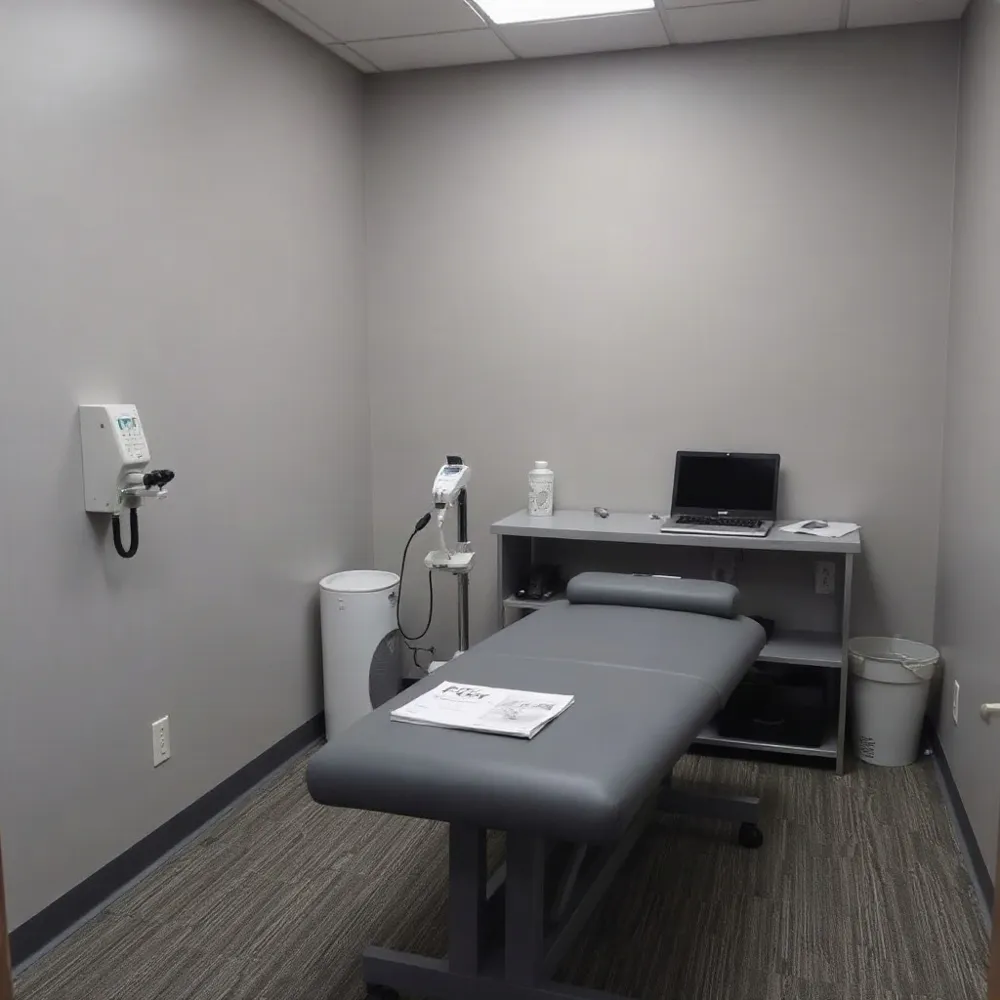 A careful assessment helps determine what may be contributing to neck pain and whether hands-on care is appropriate. A chiropractor will ask when symptoms began, what makes them better or worse, and whether you have had a recent injury or relevant health problems.
The examination may include checking how your neck moves, where it feels tender, your posture, and signs of changes in nerve function. The findings help the chiropractor understand whether the problem appears suitable for conservative care or needs closer medical evaluation. Clinical guidance for neck pain emphasizes matching treatment to the person and combining hands-on care with approaches such as exercise and education when appropriate evidence-based neck-pain guideline.
X-rays are not necessary for every person with neck pain. A clinician may consider imaging if your history or examination raises concern about trauma or another problem that needs further investigation. Imaging is one part of clinical decision-making, not an automatic step before an adjustment.
How does a chiropractor assess neck pain and decide whether an adjustment is appropriate? The decision should follow the history and examination, with the chiropractor explaining the findings and discussing whether an adjustment, another care option, or referral for medical evaluation makes sense. At Osborne Chiropractic Clinic, the aim is to make that choice with you and tailor care to your needs and comfort, rather than assume one approach fits everyone.
Discussing Risks and Warning Signs
A neck adjustment is a choice to discuss, not a risk-free step or the right approach for everyone. Mild, temporary soreness or a headache can occur after treatment. Serious complications have also been reported, but available evidence does not establish a precise rate for these rare events. Harvard Health’s overview of chiropractic care and pain relief advises patients to discuss the risks of neck manipulation with a qualified clinician.
Before deciding, share your health conditions, recent injuries, current symptoms, and any worries with your chiropractor. Ask what technique is being considered, what alternatives are available, and whether a gentler approach may suit your needs. At Osborne Chiropractic Clinic in Raleigh, care is hands-on and individualized, so you can discuss your preferences and questions before treatment.
Is chiropractic neck adjustment safe, and what symptoms should prompt medical attention?
Chiropractic neck adjustments may help some people, but they are not risk-free, and research does not establish a precise rate for rare serious complications. Mild, temporary soreness or a headache can occur; serious problems have also been reported, so discuss your health history, symptoms, and treatment options with a qualified chiropractor before deciding. Tell the chiropractor about recent injuries, existing health conditions, or any concern, and ask about gentler approaches or alternatives.
Seek emergency care for sudden severe headache or neck pain, weakness or numbness, trouble speaking or seeing, dizziness with loss of coordination, or difficulty walking, especially if symptoms are new or worsening. If you notice new or worsening symptoms after an adjustment, get medical advice promptly rather than scheduling another treatment first. An article cannot determine your individual risk; a clinician who knows your health history can help assess your situation.
Considering Acupuncture Timing
There is no set number of acupuncture sessions for neck pain. The right schedule depends on what may be causing your pain, how long you have had it, your health history, and how you respond. Some people notice a change within the first few visits, while others may need several weeks of care.
A small 2021 study of people with cervical spondylosis found greater pain relief after four weeks of optimized acupuncture than after shallow or placebo acupuncture, with differences between groups still present at 16 weeks in the study. That is a research finding, not a promised timeline. Evidence for acupuncture’s effects on neck pain remains limited, and results may differ from person to person.
Ask your practitioner to recommend a starting schedule and explain what changes to track, such as pain, movement, or daily activities. Check in as care progresses and reconsider the plan if you are not improving or your symptoms change. At Osborne Chiropractic Clinic, acupuncture can be discussed alongside the clinic’s hands-on chiropractic services as part of an individualized plan for Raleigh patients.
For safety, choose a reputable, licensed acupuncturist who uses sterile, single-use needles. Mild side effects can include bruising, tenderness, slight bleeding, dizziness, or headache; tell the practitioner about any health conditions or concerns before treatment. Mayo Clinic’s acupuncture guidance also recommends checking practitioner credentials and discussing treatment with your doctor.
When Pain Travels Into an Arm
Pain, tingling, or numbness that travels from the neck into an arm can have several causes. The sensation alone does not confirm a pinched nerve or show which treatment is right. Neck pain may also occur with restricted movement or arm symptoms, so it is worth having a clinician assess what is going on before choosing care (review of acupuncture for neck pain).
Can chiropractic care help with pain that feels like a pinched nerve?
Chiropractic care may help some people with pain that feels like a pinched nerve, but the right approach depends on its cause. At Osborne Chiropractic Clinic in Raleigh, a chiropractor can review your symptoms, examine you, and discuss whether hands-on care or another option is appropriate, or whether medical evaluation should come first. The clinic emphasizes individualized care, with plans reassessed as symptoms change.
An assessment matters because treatment should respond to your findings, not just the location or description of the pain. Chiropractic manipulation is one conservative option for some neck pain, but research does not establish it as a cure for a pinched nerve or as the right choice for everyone (review of chiropractic spinal manipulation. Acupuncture should not replace an assessment or delay medical care when symptoms are concerning.
Seek prompt medical attention for sudden or worsening weakness, significant numbness, or loss of coordination. These changes call for timely evaluation rather than trying hands-on treatment first.
Using Both Approaches Thoughtfully
 Acupuncture and chiropractic care do not have to be an either-or choice. Some people may consider both as part of a broader plan for neck pain, but current evidence does not show that combining them is best for everyone. A review of spinal manipulation research describes it as one conservative option, often alongside exercise and education, rather than a guaranteed solution.
Can acupuncture and chiropractic care be provided on the same day? Yes, they can sometimes be provided during the same visit. Whether that makes sense depends on your symptoms, health history, preferences, and care plan. The providers should coordinate the order and timing, and you can ask whether separate-day appointments would suit you better.
At Osborne Chiropractic Clinic, a Raleigh practice offering both chiropractic adjustments and acupuncture, ask the team what to expect before scheduling both treatments. Share any concerns and report changes in how you feel during care. The clinic’s hands-on approach and attention to patient education make it practical to discuss your goals and comfort with the team, without assuming a particular combined-care protocol.
Before starting, discuss the plan with a qualified health care provider, especially if symptoms change or worsen. Ask about expected benefits, possible risks, and how progress will be reviewed. Check your insurance coverage, out-of-pocket costs, and any approval requirements for each service so you can make an informed decision.
Research on spinal manipulation for spine pain supports considering it among conservative care options, but does not compare it directly with acupuncture or establish that using both improves neck pain for every patient.
Choose Care With Clear Expectations
Neither acupuncture nor chiropractic care is proven to be the best choice for everyone with neck pain. Research has not provided a definitive direct comparison, and results can differ from person to person.
Before choosing, describe where you feel pain, how it affects daily activities, and what you hope to improve. Ask a qualified provider to explain the options, their risks, and how your preferences or health history may shape care. For evidence on spinal manipulation, see this review of chiropractic treatment for spine pain; acupuncture research also points to possible benefit, with important limits in the evidence (acupuncture for neck pain).
Ask what progress would look like and when your plan should be reassessed. Seek medical attention for concerning or worsening symptoms rather than relying on a treatment plan alone. Raleigh residents can discuss chiropractic adjustments and acupuncture with the Osborne Chiropractic Clinic care team, which emphasizes hands-on care and patient education. A conversation can help clarify suitable next steps without promising a particular result.