A Careful Look at Your Options
When back or leg pain keeps returning, it is natural to wonder whether a non-surgical treatment could help you avoid an operation. Spinal decompression may be an option for some people, but it is not a guaranteed way to prevent surgery. A review of the research, published in 2007, found limited evidence and important study weaknesses, so its findings cannot establish that treatment reliably replaces surgery research review.
At Osborne Chiropractic Clinic in Raleigh, non-surgical disc decompression is offered using the DRX9000 system as part of a broader range of care. Whether it suits you depends on what is causing your symptoms and how they respond to treatment. This section explains how decompression is intended to work, what its limits are, and when an individualized medical assessment is important.
The distinction matters: non-surgical treatment uses external traction, while lumbar decompression surgery is an operation to relieve pressure on nerves. A clinician can assess your symptoms and discuss appropriate options, including surgery when warranted lumbar decompression surgery.
What Nonsurgical Decompression Involves
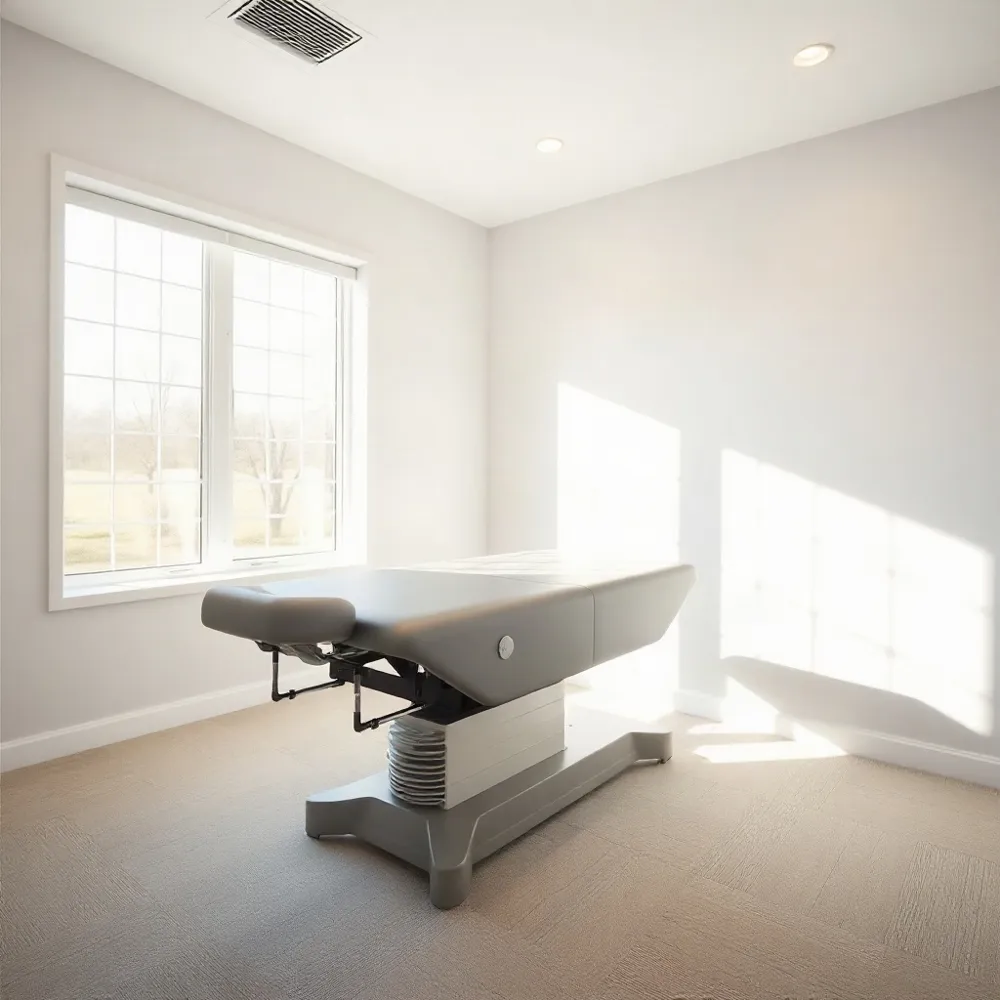 Nonsurgical spinal decompression is a form of motorized traction, not an operation. A person lies on a computer-controlled table while it applies carefully adjusted cycles of pulling and relaxation. The treatment aims to change pressure around spinal discs and nearby nerves, rather than remove bone or disc tissue as surgery may do. Cleveland Clinic’s overview of spinal decompression describes both nonsurgical and surgical approaches.
At Osborne Chiropractic Clinic in Raleigh, spinal decompression is offered using a DRX9000 system. The proposed goal is to ease symptoms linked to some disc-related problems by reducing pressure around affected areas. That is the intended effect, not a promised result, and the supplied medical sources do not independently evaluate the DRX9000 or establish its effectiveness. Suitability depends on a person’s symptoms and health history, so a clinician should assess these before treatment.
Gentle movement or stretching at home may ease some discomfort, but it is not equivalent to supervised machine-assisted treatment. Home exercises do not provide a clinical assessment or monitoring, and they cannot show whether decompression is appropriate for you. Ask a healthcare professional before trying a decompression method on your own, especially if you have had spine surgery or have a diagnosed spine condition. Stop any movement that worsens pain or sends symptoms into an arm or leg.
Who Might Be Considered
Some people with disc-related back or neck pain, sciatica, or pain that travels into an arm or leg may want to ask a clinician whether nonsurgical spinal decompression is an option. At Osborne Chiropractic Clinic in Raleigh, spinal decompression is offered with the DRX9000 system, but having these symptoms alone does not establish that treatment is suitable.
A careful assessment considers the pattern of symptoms, examination findings, health history, and treatments already tried. Imaging may help when clinically indicated, but a scan by itself cannot show that a disc finding is causing pain or determine candidacy. Mayo Clinic’s guidance on back surgery also notes that disc changes on scans can occur without symptoms.
Some circumstances may make traction-based treatment unsuitable or call for particular caution. WebMD’s spinal decompression guidance identifies pregnancy, a fracture, a tumor, advanced osteoporosis, and metal implants in the spine as reasons to avoid treatment or seek careful medical assessment.
That list is not a complete screening checklist, and general guidance cannot determine eligibility at a specific clinic. Share your medical history and concerns with a qualified healthcare professional, who can assess whether decompression or another approach is appropriate for you.
What the Evidence Can Tell Us
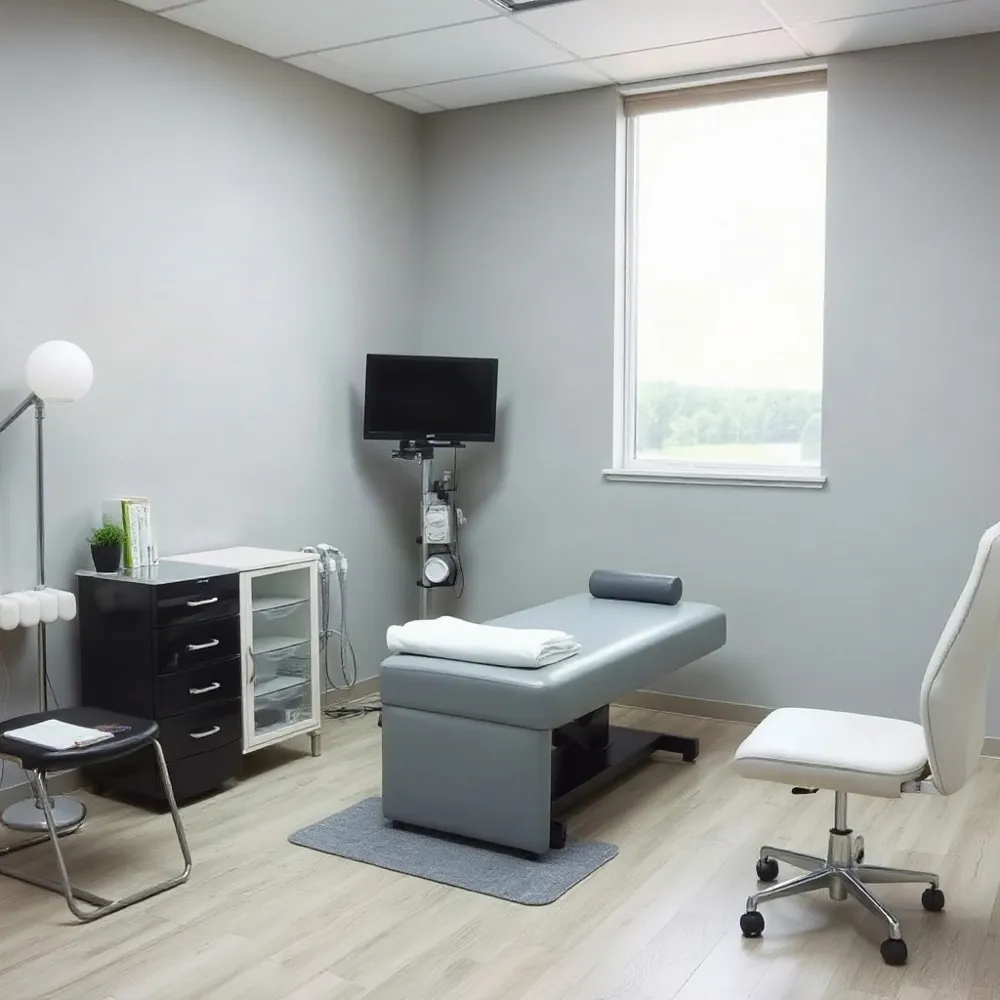 Non-surgical spinal decompression may ease back pain or symptoms linked to a herniated disc for some people, but the available evidence does not show that it works reliably for everyone or prevents surgery. For Raleigh patients considering treatment, that distinction matters: a possible option is not a guaranteed outcome.
A 2007 debate-style article in Chiropractic & Osteopathy reviewed research available through September 2006. It was neither a clinical guideline nor a formal systematic review. The author found limited research, including one small randomized trial, and noted weaknesses in how studies were designed and reported. Read the review of nonsurgical spinal decompression research with those limitations and its age in mind.
Reported improvements do not prove that decompression avoids surgery. Some studies had few participants or no comparison group, and some patients received other treatments alongside decompression, making it difficult to identify what caused any change. The reviewed studies also did not compare decompression with several established nonsurgical options, such as exercise, spinal manipulation, or standard medical care.
So, how effective is it, and how long might results last? Some people may feel better, but the supplied evidence does not establish a dependable success rate, show that decompression is better than other conservative care, or tell us how long relief will last for an individual. The review cannot settle what more recent research may show, and its findings should not be treated as a current clinical recommendation.
At Osborne Chiropractic Clinic in Raleigh, the DRX9000 is offered as one nonsurgical care option, alongside chiropractic adjustments and acupuncture. A clinician can discuss your symptoms, diagnosis, treatment goals, and alternatives, including whether a specialist’s assessment is appropriate. Ask what improvement would look like in your case and when the plan should be reassessed, rather than relying on advertised success rates or assuming relief will be permanent.
Seek prompt medical care for new or worsening leg weakness, numbness around the groin, or loss of bladder or bowel control. These symptoms need urgent assessment, not a trial of routine decompression.
Treatment Plans, Timing, and Cost
A treatment plan should reflect your symptoms, examination, and response to care, rather than follow a fixed calendar. Osborne Chiropractic Clinic uses a DRX9000 system as part of its spinal decompression service, but a device or diagnosis alone does not determine how many visits are suitable.
How many sessions are typical, and is daily treatment appropriate?
There is no schedule in the available medical sources that applies to everyone. A possible plan described in the supplied question information is 15 to 30 visits over four to eight weeks, often two or three times weekly. Treat these figures as an example, not a standard prescription. Research on nonsurgical decompression has limitations and does not establish one best schedule for every patient review of the evidence.
Before starting, ask why the proposed frequency fits your situation, what changes would count as progress, and when the provider would adjust or stop care. Daily treatment is not automatically appropriate. If pain worsens or new symptoms appear, contact your provider rather than increasing visits yourself; a clinician may need to reassess the plan.
What might treatment cost, and will insurance help?
The supplied question information gives a broad estimate of $50 to $250 per session, or about $750 to $7,500 for 15 to 30 visits. These are unverified estimates, not Osborne Chiropractic Clinic prices, and actual fees can vary. Do not assume insurance will cover treatment or that a particular course will be approved.
Before committing, ask the clinic for its current fees, any available payment arrangements, and an estimate of your out-of-pocket costs. Call your insurer to confirm coverage, exclusions, visit limits, and any referral or authorization requirements. Get the details in writing when possible, since coverage depends on your specific plan.
When Surgery Needs a Specialist Discussion
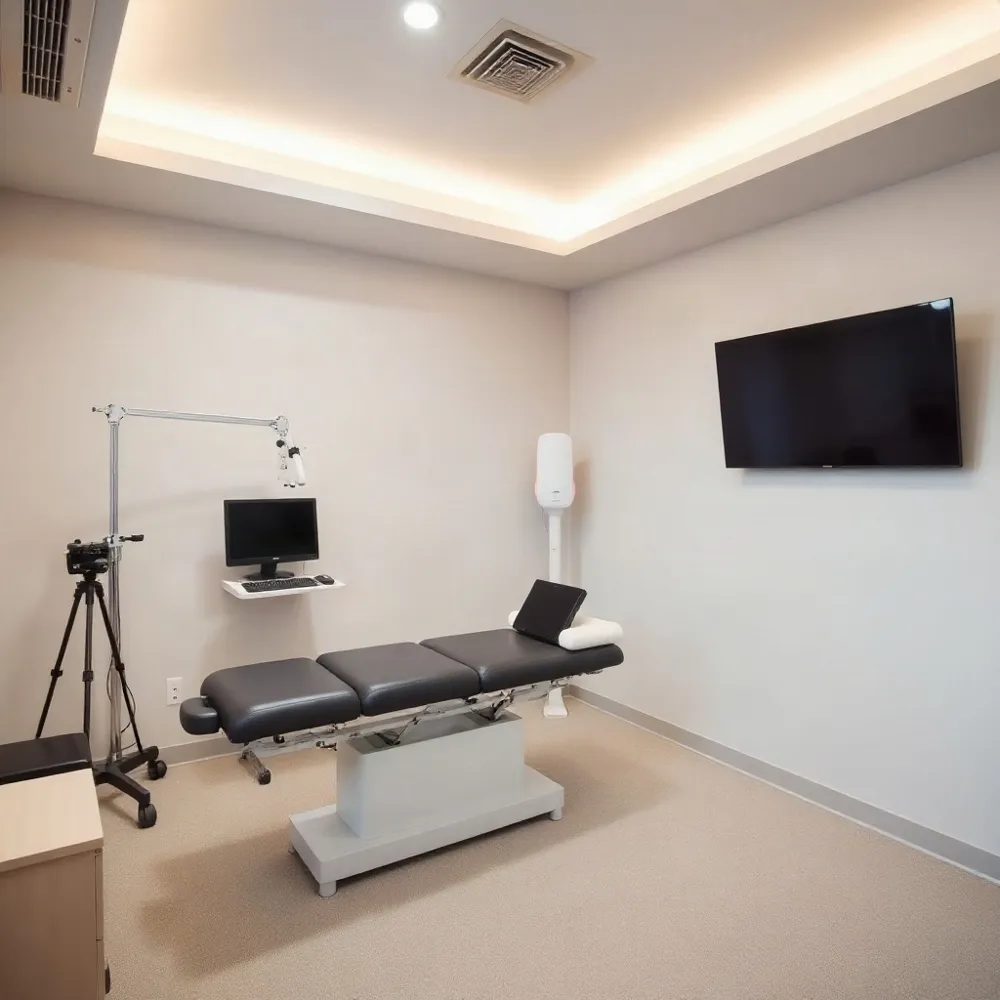 Many people begin with less invasive care, such as gentle activity, changes to aggravating tasks, physical therapy or guided exercise, and medication when appropriate. Depending on the diagnosis, a clinician may also discuss injections or acupuncture. Chiropractic care is another conservative option, but it cannot guarantee that surgery will be avoided. At Osborne Chiropractic Clinic in Raleigh, care may include chiropractic adjustments, acupuncture, and the DRX9000 system, with recommendations based on an individual assessment.
The word “decompression” can refer to different treatments. Nonsurgical decompression uses external traction, while lumbar decompression surgery is an operation that may remove bone or disc material to relieve pressure on nerves. They are not interchangeable, and evidence about one should not be treated as proof about the other. The NHS description of lumbar decompression surgery explains the surgical procedure and its purpose.
What treatments might be considered before back surgery, and when should someone discuss surgery with a medical specialist?
Consider a medical assessment if pain persists despite reasonable nonsurgical care, interferes with daily activities, or is getting worse. A spine-specialist discussion may be appropriate when examination or imaging suggests a structural problem that needs further assessment. There is no single waiting period that suits everyone. Cleveland Clinic describes a stepped approach that generally starts with less invasive options and considers surgery when those measures do not help (treatment options for back pain).
A decision about surgery depends on the diagnosis, symptoms, examination findings, imaging when needed, overall health, and the likely benefits and risks of each option. A scan alone does not determine whether surgery is right for you. If surgery is proposed, asking questions and seeking a second opinion from a qualified spine specialist can help you understand the choices; Mayo Clinic’s guidance on back surgery encourages careful consideration of the cause and severity of symptoms.
Do not wait for a routine appointment if you develop new or worsening weakness, lose control of your bladder or bowels, or have numbness around the groin or inner thighs. These symptoms need prompt medical assessment, not a routine decompression session. If you are unsure how urgent your symptoms are, contact a medical professional or local emergency service.
Choose Care With Clear Expectations
Non-surgical spinal decompression may be worth discussing for some people, but the available research does not support promising that it will prevent or replace back surgery. A 2007 review found limited, methodologically weak evidence, so its conclusions should be read in that context (review of non-surgical spinal decompression).
For Raleigh residents, a useful next step is an individual assessment of symptoms, health history, and any relevant examination or imaging. At Osborne Chiropractic Clinic, the DRX9000 system is one option within a practice that also offers chiropractic adjustments and acupuncture. Ask what a proposed plan is meant to address, what alternatives may fit, and what costs to expect.
If symptoms persist or worsen, or include concerning changes such as new weakness or numbness, discuss them with a medical professional or spine specialist. Treatment decisions depend on the cause and severity of the problem (Mayo Clinic guidance on back surgery). The goal is care suited to you, not avoiding surgery at any cost.