Small Movements for Everyday Spinal Health
For Raleigh residents balancing work, family routines, and time in the car, a few gentle movements at home can be an approachable way to care for the back. You do not need special equipment to begin. Simple stretches and controlled exercises may help maintain flexibility and comfortable movement, though they cannot address every cause of back pain or guarantee relief. The Mayo Clinic’s back exercise guidance recommends starting with a few repetitions and building gradually as movements become easier.
This guide offers practical lower-back stretches and gentle ways to keep the spine moving. Let comfort shape your pace: a stretch may create mild tension, but it should not cause sharp or worsening pain. If you have ongoing symptoms, a recent injury, or a health condition, ask a healthcare professional which activities are appropriate. Osborne Chiropractic Clinic provides hands-on, personalized chiropractic care in Raleigh, and can help patients discuss movement options in light of their individual needs.
As you read, you will find ways to adjust movements, decide when to pause, and recognize when professional advice is warranted. Stretching is one part of a broader approach, not a replacement for assessment when symptoms persist or interfere with daily life.
Start Gently and Let Comfort Guide You
 Exercise often helps ease back pain and prevent further discomfort, but the right movements and results vary from person to person. Treat home stretching as a gentle way to support movement, not a test of how far your body can go. Mayo Clinic’s back exercise guidance recommends asking a health professional which activities are safe if you are starting because of ongoing pain or after an injury.
Begin with just a few repetitions. As a movement becomes easier, add repetitions gradually rather than trying to complete a full routine straight away. Keep your breathing natural, move smoothly, and avoid bouncing or forcing your body into a position. A stretch should feel like comfortable tension, not pain.
If you have been sitting for much of the day, a short walk or other light activity can warm your muscles before stretching. Mayo Clinic advises stretching warm muscles and notes that regular, brief sessions can help maintain flexibility. Its general flexibility guidance suggests that even 5 to 10 minutes per session may be useful when practiced regularly. Mayo Clinic’s flexibility advice also recommends easing off if a stretch hurts.
For Raleigh residents managing work, family schedules, or a long commute, a brief, comfortable session may be easier to repeat than an ambitious routine. At Osborne Chiropractic Clinic, hands-on care and education are part of the approach, so patients can discuss which movements suit their symptoms and daily activities. If a stretch increases pain or brings on new symptoms, stop rather than pushing through; seek professional guidance if discomfort continues or you are unsure what is safe.
A Few Gentle Lower Back Stretches
 If your lower back feels stiff, a small, controlled movement may feel more manageable than a deep stretch. These options may ease stiffness for some people, but they are not right for everyone. Move slowly, breathe normally, and stay within a comfortable range. Many of our Raleigh patients find that gentle stretches help ease lower back stiffness. One patient told us that the knee-to-chest stretch made a noticeable difference in her daily comfort.
Knee to chest
Lie on your back with your knees bent and feet resting on the floor. Bring one knee gently toward your chest, using your hands to support it, while keeping the other foot down. Hold for five seconds, then lower the leg and switch sides. Our chiropractors suggest repeating each variation two or three times. You can try both knees together only if that feels comfortable.
Pelvic tilts
Stay on your back with your knees bent. Gently tighten your belly and flatten your lower back toward the floor, without holding your breath or lifting your hips. Pause briefly, then relax. Begin with just a few repetitions and stop if the movement increases your discomfort. The aim is smooth, easy control, not a forceful press.
Cat stretch
Start on your hands and knees, with your hands under your shoulders and knees under your hips. Slowly round your back as you draw your belly upward and lower your head. Then let your back return gently toward its starting position. Our chiropractors suggest three to five repetitions, twice daily. If kneeling or bearing weight on your hands is uncomfortable, skip this movement and ask about a suitable alternative.
A comfortable stretch for the back of your thigh or buttock may also suit some people, but the best choice depends on your discomfort and movement. Osborne Chiropractic Clinic offers hands-on chiropractic care and personalized attention, so Raleigh patients who are unsure which movements fit their situation can ask a qualified provider for guidance.
Stop if pain worsens, spreads down a leg, or comes with numbness or weakness. Do not force a stretch or push through discomfort. If you are uncertain, or discomfort persists, seek professional advice before continuing a home routine.
Keep the Spine Moving With Control
Raleigh families, gentle movement can help keep your back moving comfortably. The goal is ease and control, not pushing into a bigger stretch. Simple options like gentle arching and rounding of the back, lying-down knee rotations, seated twists, and short walks are all great choices to try within a pain-free range.
Try a slow rotation
For a lower-back rotation, lie on your back with your knees bent and feet flat. Keep your shoulders on the floor, then slowly let both knees move to one side. Pause for five to ten seconds, return to center, and repeat on the other side. This movement is part of a routine recommended by Mayo Clinic, and many of our patients at Osborne Chiropractic Clinic in Raleigh find it helpful for gentle relief. One of our patients, a Raleigh mom of two, found that doing these rotations daily helped her manage her lower back discomfort and stay active with her kids.
A seated version may feel more convenient. Sit upright on an armless chair or stool, cross one leg over the other, and gently turn your torso toward the raised knee. Keep the movement small and comfortable, then switch sides. You don't need to force a twist or match a particular range—just move within what feels good.
To practice gentle arching and rounding of the back, start on hands and knees. Slowly round your back, then ease into a gentle arch. Move smoothly and breathe normally. After a long stretch of sitting, a brief, comfortable walk can also provide a change of position and keep you moving. Walking is an accessible activity that many Raleigh families enjoy, but it's not a treatment for every cause of back pain.
Stop if a movement brings sharp pain, makes your symptoms worse, or causes pain to spread. If back symptoms are ongoing or began after an injury, ask a qualified clinician which movements suit your situation. At Osborne Chiropractic Clinic in Raleigh, we provide hands-on assessment and personalized attention to help guide your exercise choices.
Decide Whether to Stretch Today
A little familiar tightness is different from sharp or worsening pain. If your back feels mildly stiff, gentle movement may be comfortable, but stretching should not feel forceful or make symptoms worse. Mayo Clinic advises easing off if a stretch hurts and checking with a healthcare professional before starting exercises for ongoing pain or after an injury (back exercise guidance).
Is it safe to stretch your back when it hurts, and can you stretch every day? It may be reasonable to stretch daily or a few times a week if the movements feel comfortable, but there is no schedule that suits everyone. Take a break or change the movement if pain increases. If pain began suddenly or followed an injury, avoid pushing into stretches and seek professional advice if it does not improve.
Stop exercising and seek professional guidance if you develop new pain, numbness, tingling, or weakness. Raleigh patients who are unsure which movements suit their symptoms can ask the team at Osborne Chiropractic Clinic for individualized guidance; its hands-on care includes chiropractic adjustments and spinal decompression, alongside assessment of back concerns.
Some symptoms need urgent attention rather than a home stretch routine. Seek urgent medical care for back pain accompanied by loss of bladder or bowel control, numbness around the groin, or sudden leg weakness. These warning signs should not be managed by waiting to see whether stretching helps.
Home Care and When to Seek Help
For mild back pain, gentle activity is usually a more practical first step than trying to stretch through discomfort. A short walk around your Raleigh neighborhood or a few easy movements at home can help you stay mobile. Pause any movement that clearly worsens your pain, and avoid long periods in bed.
Heat may feel soothing, and an over-the-counter pain reliever may help some people. Use either only if it is safe for you, and follow the product-label directions. If you have a health condition, take other medications, or are unsure what is appropriate, ask a healthcare professional or pharmacist first.
Many episodes of back pain improve over time, but persistent or worsening symptoms deserve attention. Contact a healthcare professional if the pain is severe, keeps returning, interferes with daily activities, or is not improving after a few weeks. At Osborne Chiropractic Clinic, the team offers hands-on chiropractic care and services such as acupuncture and spinal decompression, with guidance tailored to each patient’s needs.
Some symptoms call for emergency care rather than a home routine: new weakness or numbness in a leg, trouble walking, loss of bladder or bowel control, or numbness around the groin. Back pain with a fever, or pain after a significant fall or injury, also warrants prompt medical advice. When you are uncertain about symptoms or which movements are suitable, Osborne Chiropractic Clinic’s individualized approach can help you discuss next steps with a care professional.
For general guidance on staying active and choosing tolerable movement, see Hospital for Special Surgery’s lower-back exercise advice. Stop an exercise if it worsens pain or brings on numbness or tingling, and seek appropriate care rather than pushing through.
Stretching Cannot Target a Specific Disc
Gentle movement, comfortable stretches, and short walks may ease tightness and help you stay active. They cannot reliably decompress the whole spine or selectively reach a disc, such as L4–L5. Think of home movement as a way to support comfort, not a method for shifting or resetting a disc.
Avoid forceful traction, hanging, or inversion devices unless a healthcare professional has assessed you and advised their use. The right movement can depend on what is causing your symptoms, and some positions may aggravate particular conditions. General stretching guidance is not a personalized treatment plan, as Mayo Clinic advises.
Can you decompress your spine or a specific disc at home? Home care may help some back pain, but it is not a guaranteed fix. Research on mechanical spinal decompression has been limited, so claims that a device or stretch can target one disc should be treated cautiously.
If pain persists, travels down a leg, or comes with numbness or weakness, arrange an evaluation rather than relying on home methods. At Osborne Chiropractic Clinic in Raleigh, a clinician can assess your symptoms and discuss whether supervised spinal decompression, another service, or a different form of care may be appropriate. The clinic offers hands-on chiropractic care and uses the DRX9000 non-surgical disc decompression system, but suitability depends on an individual assessment and no outcome is guaranteed.
Personalize Exercise Guidance With a Chiropractor
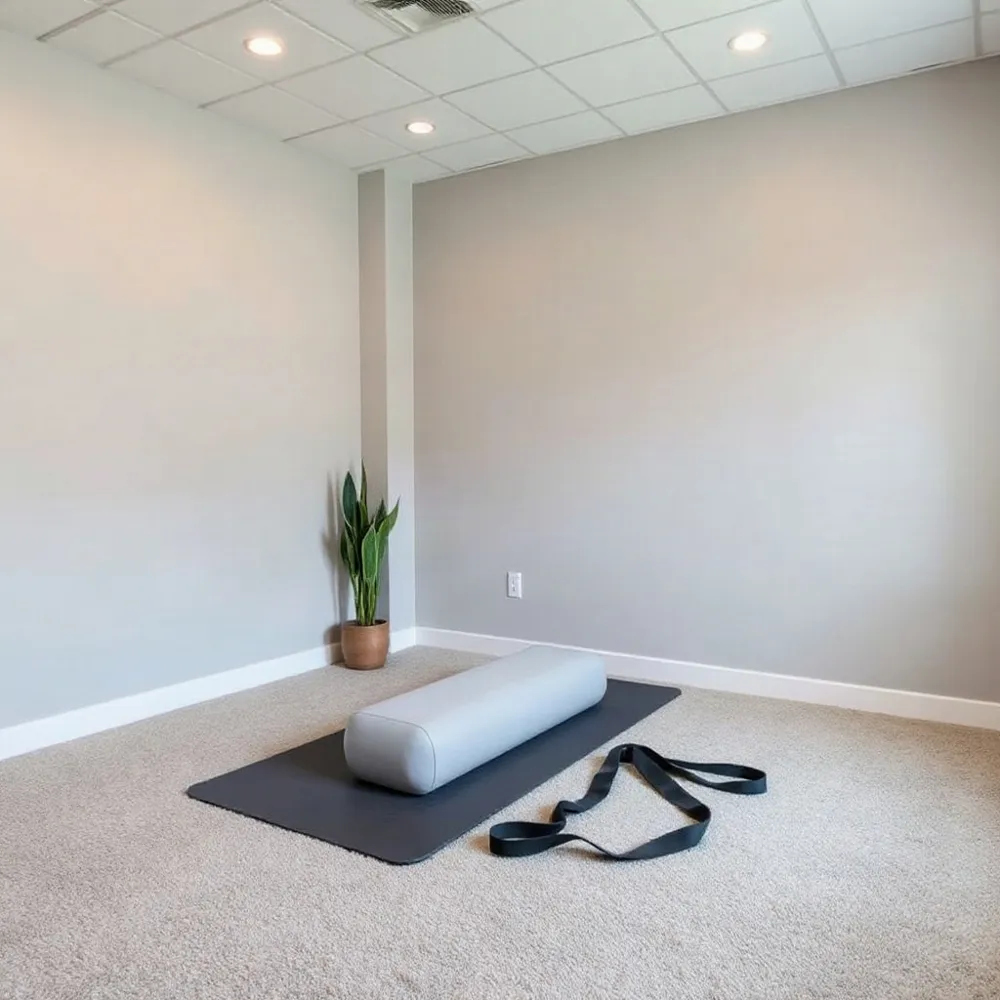 A movement that feels comfortable for one person may aggravate another person’s back. A chiropractor can review your symptoms, health history, and movement to help identify exercises that may suit you and positions that may be best avoided. Exercise choices can depend on the cause of symptoms, so a general routine is not a substitute for individual advice.
During an appointment, a clinician can demonstrate form and help you begin at a manageable level, then suggest gradual ways to build strength and flexibility. If your symptoms change, the plan can change too.
Seek guidance before starting a new routine after an injury, or if you have pain with numbness or tingling. Avoid copying a video without checking whether its movements suit your situation, and do not begin spinal-decompression stretches on your own. Stop any movement that worsens symptoms, especially if it brings on pain down the leg or new numbness or tingling, and tell your clinician what happened.
At Osborne Chiropractic Clinic in Raleigh, patients can ask how exercise guidance may fit alongside their care plan. The independently owned clinic offers hands-on chiropractic care and spinal decompression using the DRX9000 system, but whether either is appropriate depends on an individual assessment. A clinician can help you understand which movements to practice at home and when to check back if your symptoms shift.
Make a Routine You Can Return To
Make a Routine You Can Return To
A routine is easier to maintain when it fits your day and feels manageable. Choose a few movements you can do comfortably, rather than trying to complete a long sequence at once. Start with a few repetitions and add more as you feel comfortable.
Your routine does not need to be made up of stretches alone. Including controlled strengthening movements, such as bridges and shoulder-blade squeezes, can help build support for your back. Keep each movement smooth, breathe normally, and ease off if it causes pain.
Stretching can help you maintain flexibility, but it is not a cure-all for posture or injury prevention. At Osborne Chiropractic Clinic in Raleigh, we offer hands-on chiropractic adjustments, acupuncture, and spinal decompression, all tailored to your specific symptoms and needs. Many of our patients have found that a consistent routine of gentle movements helps them manage discomfort and stay active.
Notice how your back feels during a movement and afterward. If an exercise makes symptoms worse, stop or adjust it instead of pushing through. If you are unsure which movements are right for your health history, ask a healthcare professional for individualized advice. Our team at Osborne Chiropractic Clinic is here to help you find safe and effective exercises.
Let Comfort Set the Pace
A short, gentle routine can be a practical way to keep moving at home, but stretching is not a guaranteed fix for back pain. Let comfort guide each movement, and build up gradually rather than forcing a deeper stretch. Mayo Clinic also recommends starting with a few repetitions and increasing them as the movements become easier (back exercise guidance).
If a movement worsens your symptoms, stop and give your body a chance to settle. Persistent pain, discomfort following an injury, or symptoms that concern you deserve professional attention rather than repeated attempts to stretch through them.
For Raleigh families and individuals, the right next step depends on your health, daily activities, and how your back responds. The team at Osborne Chiropractic Clinic offers hands-on chiropractic care and can discuss movement options suited to your needs. A qualified clinician can help you decide what feels appropriate and when further assessment may be needed.