
Care That Fits the Person
Chiropractic care is not one-size-fits-all. Symptoms, health history, examination findings, and comfort preferences can all shape which approach a chiropractor recommends. An initial assessment helps guide care toward the person’s needs, rather than applying the same method to everyone, as Mayo Clinic explains.
For Raleigh residents dealing with back, neck, or joint pain, an injury, or limited mobility, understanding the options can make it easier to discuss practical next steps. Osborne Chiropractic Clinic uses Gonstead and Diversified adjustments and emphasizes personalized, hands-on care and patient education.
This article explains what chiropractic care may involve, how these techniques differ, and what to ask as you consider an approach. Sharing your concerns and comfort preferences can help you take an active part in decisions about your care.
What Chiropractic Care May Include
 A first visit usually starts with a conversation about your symptoms, health history, and goals, followed by a physical examination. A chiropractor may consider imaging when it is needed to clarify what is going on. This assessment helps guide whether care is appropriate and which areas may need attention, as described in the Cleveland Clinic’s overview of chiropractic adjustments.
An adjustment applies controlled pressure or gentle stretching to a joint, using the chiropractor’s hands or an instrument. Adjustments commonly focus on the spine and aim to improve joint movement and function. The method and force can vary according to the person’s findings and comfort.
At Osborne Chiropractic Clinic in Raleigh, the stated adjustment methods include Gonstead and Diversified. Care may also include exercises, stretches, soft-tissue work, or practical guidance, depending on a patient’s needs. The clinic separately offers services such as acupuncture, spinal decompression, and pediatric care; these are additional services, not adjustment techniques.
People often seek chiropractic care for back or neck pain, sciatica, headaches, joint concerns, sports injuries, or recovery after an accident. These symptoms can have different causes, so an assessment matters. Ask the chiropractor to explain the proposed options, what each involves, and how the plan can be adjusted to your goals and comfort.
How Gonstead and Diversified Differ
Gonstead and Diversified are both hands-on chiropractic approaches, but they differ in how the chiropractor assesses and delivers care. The Mayo Clinic’s overview of chiropractic adjustments explains that care is guided by a person’s health history and examination, with adjustments directed at affected areas.
Gonstead: A Structured Assessment
Gonstead uses a focused assessment to help identify specific areas for attention. The chiropractor may review your health history, observe posture and movement, and use palpation, or touch, to assess the spine. X-rays may be considered when appropriate, but they are not needed for every patient. The findings help guide where and how an adjustment may be delivered.
Diversified: A Versatile Hands-On Approach
Diversified uses hands-on adjustments in different positions, guided by the examination. The chiropractor may select particular joints or spinal areas based on your symptoms and findings. Its flexibility does not mean the same adjustment is right for everyone, and the technique alone cannot predict how a person will respond.
Osborne Chiropractic Clinic in Raleigh lists both Gonstead and Diversified among its adjustment methods. That does not mean every patient receives either approach, or that one is superior. Ask your chiropractor what the examination suggests, why a method is being recommended, and what you may feel during treatment. You can also share your comfort preferences and ask whether the plan can be adjusted if needed.
Choosing an Approach Together
 There isn’t one chiropractic adjustment technique proven to work best for everyone. Research supports spinal manipulation for some types of lower back pain, but responses vary, and an approach that suits one person may not suit another. A chiropractic adjustment should be considered in light of your health and examination findings.
A chiropractor may weigh your symptoms, medical and injury history, age, sensitivity, and comfort when discussing care. For example, flexion-distraction uses a specialized table and may be considered for some lower-back conditions. The Activator Method delivers a brief, localized pulse with a handheld instrument, while extremity manipulation addresses joints outside the spine. These examples describe general approaches, not a list of services offered by every clinic.
At Osborne Chiropractic Clinic in Raleigh, the clinic’s stated adjustment methods are Gonstead and Diversified. Ask what the recommended method involves, why it may fit your examination, and how you and the chiropractor will assess your response. The Mayo Clinic notes that an assessment helps guide care and that some people may not improve with adjustments.
Tell your chiropractor about concerns before treatment, and speak up if an adjustment feels uncomfortable or your symptoms change. You can ask about alternatives or whether the plan should be reassessed. Care from a licensed chiropractor can complement medical care, but it should not replace medical evaluation when symptoms warrant it. Clear conversation helps you take part in decisions about your care.
Lower Back Pain and Safe Care
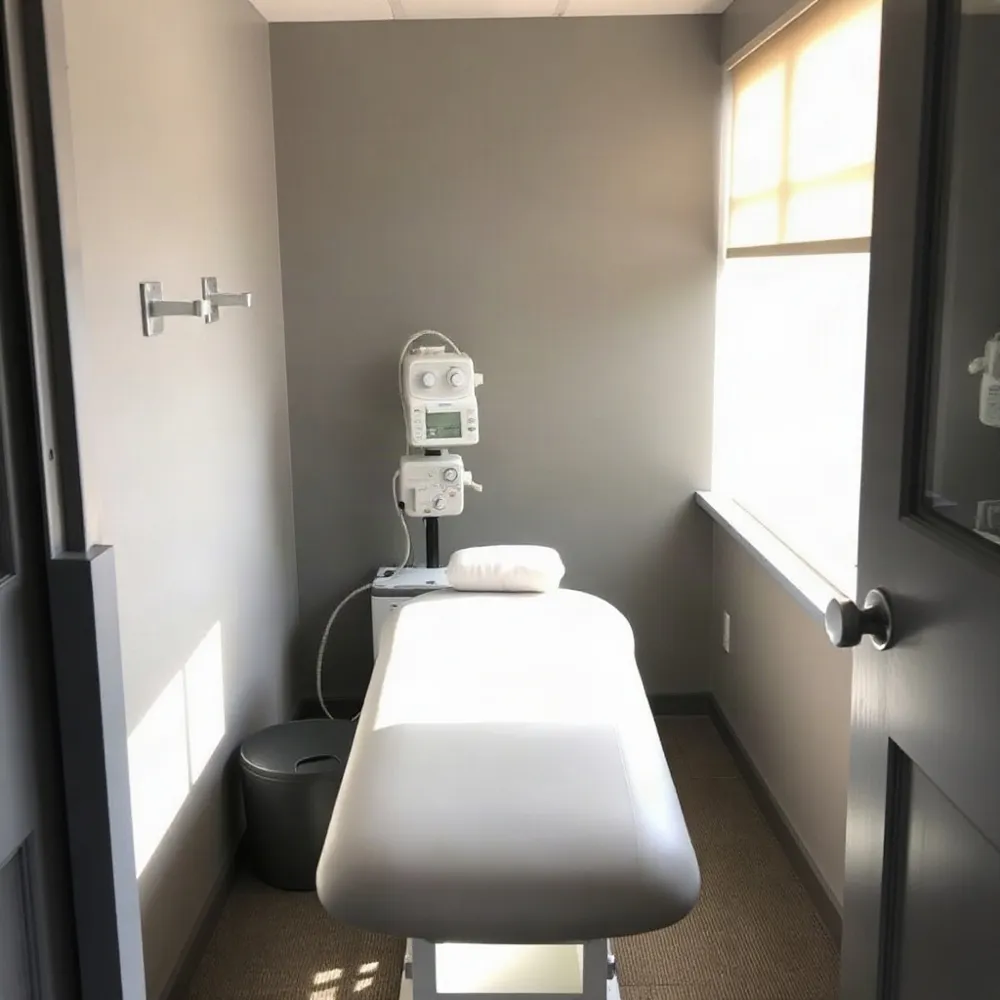 Chiropractic care may help some people with lower-back pain by improving movement in stiff joints and addressing nearby muscle function, but results vary and not every cause of pain is suited to adjustment. At Osborne Chiropractic Clinic, care begins with a conversation and examination, which helps the chiropractor consider your symptoms, health history, and goals before recommending an approach. The Cleveland Clinic’s overview of chiropractic adjustments explains that treatment should be selected for the individual and may include other forms of support, such as exercises or stretches.
Depending on the findings, a plan may include hands-on care such as Gonstead or Diversified adjustments, along with practical guidance on movement and daily habits. An evaluation also helps determine whether chiropractic care is appropriate or whether another healthcare professional should assess the problem.
Mild, short-lived soreness, aches, stiffness, tiredness, or headache can occur after an adjustment. Serious complications are rare, but possible, so chiropractic care is not risk-free. The Mayo Clinic’s guidance on chiropractic adjustment advises discussing your health history and symptoms with the chiropractor before treatment. Mention relevant conditions, medications, and any numbness, tingling, or weakness.
Seek prompt medical care for severe back pain after major trauma, new or worsening weakness or numbness, numbness around the groin, or loss of bladder or bowel control. After treatment, get urgent help for sudden severe headache, dizziness, vision or speech problems, or new weakness. Contact a healthcare professional promptly if pain worsens or new symptoms appear.
Questions to Ask Before Starting
A good first conversation should leave you better informed, not pressured. Look for a licensed chiropractor who listens to your concerns, explains examination findings in plain language, and discusses options that fit your health history and goals. At Osborne Chiropractic Clinic in Raleigh, patient education and personalized, hands-on care are part of the practice’s stated approach.
Before treatment, ask why a particular technique is being recommended, what you may feel during and after it, and what benefits and risks apply to your situation. You can also ask how the chiropractor will assess your progress and when they might suggest seeing another healthcare professional. The Cleveland Clinic’s overview of chiropractic adjustments explains that care should be selected for the individual and that chiropractic treatment may not be appropriate for everyone.
Pause if a provider promises a cure, recommends the same treatment for every patient, or pushes an expensive package before completing a thorough assessment. Be wary of claims to treat unrelated conditions or advice to avoid medical care. Chiropractic adjustments can complement medical care, but they are not a substitute for an evaluation when symptoms may signal a serious problem.
You should be able to speak up if an adjustment feels uncomfortable or your symptoms change. Ask what alternatives are available and expect the plan to be reviewed as your response becomes clearer. If a chiropractor dismisses your questions or discourages appropriate medical advice, consider pausing care and seeking another opinion.
Planning Visits and Costs
There is no standard schedule for chiropractic adjustments. Visit frequency depends on your symptoms, health, goals, and response to care. A recent injury or significant flare may call for more frequent visits at first, with appointments becoming less frequent as symptoms improve. Your chiropractor should review your progress and revise the plan rather than keep you on a fixed schedule. The Mayo Clinic’s guidance on chiropractic adjustment notes that treatment needs and responses vary, and that adjustments may not be the right option if symptoms do not improve.
Some people choose occasional wellness visits after symptoms settle, while others do not need ongoing adjustments. At Osborne Chiropractic Clinic, discuss a plan that reflects your needs and schedule, and ask how progress will be assessed.
Costs vary according to the services provided and details of the visit, so there is no single price that applies to everyone. An initial consultation and examination may differ in cost from follow-up care or services such as acupuncture and spinal decompression. Insurance coverage depends on your plan and eligibility for the recommended care. Osborne Chiropractic Clinic offers flexible payment plans. Before starting, ask what each visit includes, whether the clinic accepts your insurance, and what you may owe for recommended services. Clear answers can help you plan for care without surprises.
A Clear Plan for Your Needs
The right approach depends on your health history, examination findings, goals, and comfort, not a one-method-fits-all rule. At Osborne Chiropractic Clinic, care includes Gonstead and Diversified adjustments, with patient education as part of the hands-on process.
If you’re considering care in Raleigh, bring your questions and explain what you hope to improve. Ask how your chiropractor will assess your progress and when the plan might change. A chiropractic adjustment may complement other medical care, but it is not a guaranteed solution for every condition. Persistent or concerning symptoms deserve medical evaluation.