Start With the Child’s Needs
When a child moves differently, seems uncomfortable, or is not reaching a milestone as expected, it is natural for Raleigh parents to look for answers. A chiropractic visit is not a developmental assessment, though. Milestones are best discussed with a pediatrician, who can recommend screening or other support when needed. The CDC’s developmental milestone guidance can help families understand what to watch for and when to act.
Pediatric chiropractic may be considered as a complementary service for a specific musculoskeletal concern, such as movement-related discomfort, after the child’s needs have been appropriately assessed. It should not be presented as a way to diagnose or treat developmental delays. A recent review of pediatric chiropractic evidence and safety found that research remains limited and conclusions vary by condition.
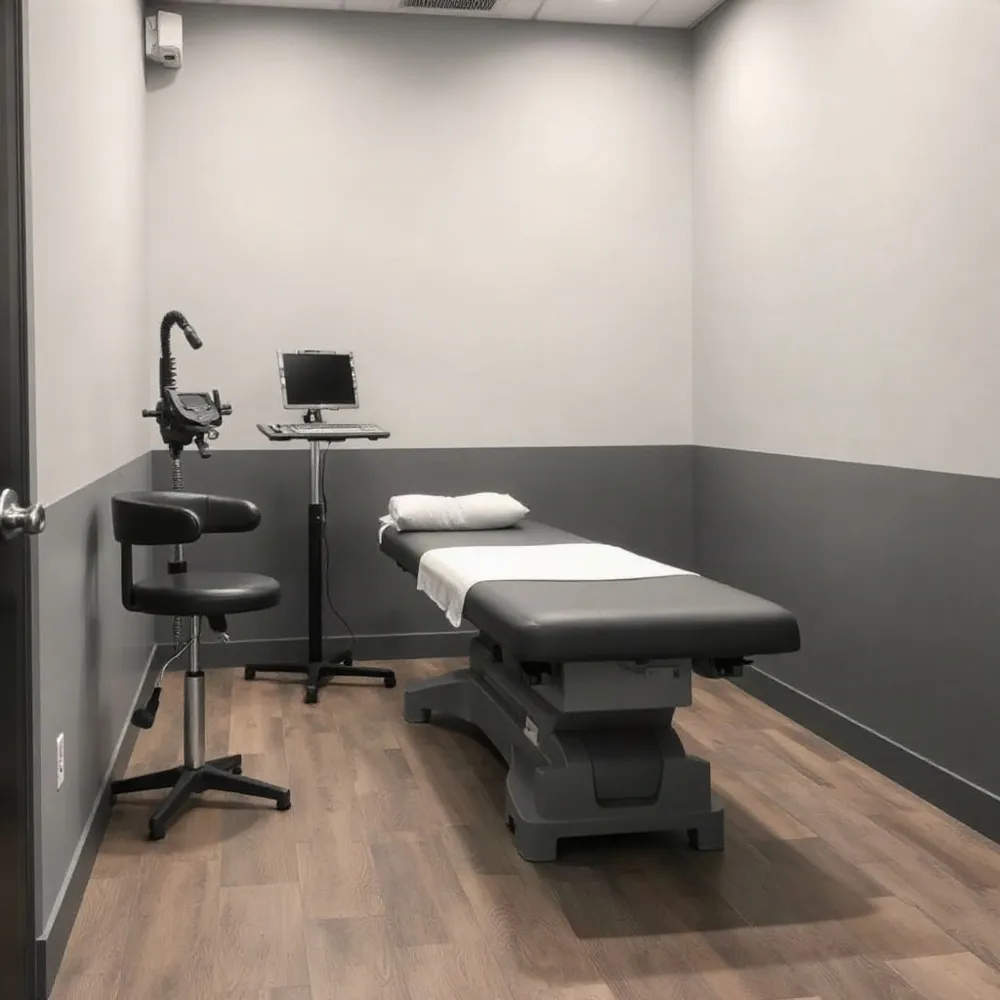
At Osborne Chiropractic Clinic, care is hands-on and personalized, with attention to each child’s concern and comfort. Before agreeing to care, ask what the assessment found, what a proposed treatment is intended to address, and how progress will be judged. Families deserve a clear discussion of potential benefits, risks, alternatives, and uncertainty. Share any care plan with your child’s pediatrician, especially if symptoms persist, worsen, or are not clearly musculoskeletal. Chiropractic care should complement medical guidance, not delay evaluation or replace recommended treatment.
Separate Development From Musculoskeletal Care
 A child’s development includes more than movement. Milestones can involve physical skills, communication, thinking and problem-solving, social interaction, and everyday abilities such as eating or dressing. Children do not all gain these skills at the same pace, so one difference in timing is not, by itself, a diagnosis.
Developmental milestones are useful points to discuss with a pediatrician, not a way to determine whether a child needs chiropractic care. Current research does not establish chiropractic as a way to diagnose, prevent, or treat developmental delays, or to improve developmental milestones. A recent review describes the evidence for pediatric chiropractic as limited and variable by condition (review of evidence and safety).
If you are concerned about a possible delay, or notice that your child has lost a skill they previously had, contact the child’s pediatrician promptly. Well-child visits are also a good time to raise questions about development. The CDC’s developmental milestone guidance encourages families to track milestones and act early when they have concerns.
A musculoskeletal assessment asks about concerns such as pain, movement, or an injury. Developmental screening and evaluation are separate, and should be handled by the child’s pediatrician or other appropriate pediatric professionals. Osborne Chiropractic Clinic offers pediatric care within a broader, education-focused Raleigh practice, but chiropractic assessment should not take the place of developmental screening or a medical evaluation.
If a family is considering chiropractic care for a musculoskeletal concern, sharing that plan with the child’s pediatrician can help keep everyone informed. Any developmental concern should be discussed directly with the pediatric care team, so recommended screening, early support, or referral is not delayed.
What a Pediatric Visit May Involve
 A thoughtful first visit should begin with a conversation, not an assumption that every child needs an adjustment. The practitioner can ask about your child’s health history, current symptoms, injuries, medications, other care, and what your family hopes to address. At Osborne Chiropractic Clinic, the practice’s education-focused approach and personalized, hands-on care give families room to discuss those concerns and understand the options.
The practitioner should explain what an examination involves, what they find, and whether chiropractic care appears appropriate for the concern. Children of different ages may be assessed, but age alone does not determine whether care is suitable. A plan should reflect the child’s size, stage of development, needs, and comfort, rather than simply adapting an adult adjustment. The 2024 review of evidence and safety describes pediatric research as limited and notes that techniques used with children are generally adapted to their age and needs.
Chiropractic methods and professional philosophies vary, so ask the practitioner to describe the specific approach they use and the concern it is intended to address. You can also ask what alternatives are available, what changes would count as improvement, and when the plan would be reconsidered. Osborne Chiropractic Clinic offers pediatric care alongside services such as traditional chiropractic adjustments and acupuncture, but a service being available does not mean it is the right choice for every child.
Before any examination or care begins, a parent or legal guardian should receive a clear explanation of the proposed plan, possible risks, and alternatives, and have time to ask questions. The child should be invited to participate in a way that fits their age and understanding, including expressing discomfort or, when developmentally appropriate, giving assent. Professional guidance on pediatric chiropractic practice also emphasizes open discussion with families and careful attention to a child’s individual circumstances.
If you are unsure whether chiropractic care fits your child’s situation, discuss the concern with their pediatrician. Sharing what care is being considered helps the child’s health providers make informed decisions together.
What Research Can and Cannot Tell Us
For parents weighing care for a child, research is useful when it sets realistic expectations. A review published online in 2024 and included in a 2025 issue of Clinical Pediatrics found that evidence on pediatric chiropractic care is limited, varies by condition, and often comes from studies with methodological weaknesses. That makes firm conclusions difficult.
The review also cites survey figures showing how many families have used chiropractic care. Those figures describe patterns of use, not whether treatment works. A family may seek care for many reasons, including a musculoskeletal concern or a hope of supporting general wellness; use alone does not establish benefit.
Research has examined specific concerns, including back pain, headaches, and infantile colic. Findings are limited or mixed: for example, one headache study found changes in headache frequency but not severity, while research on colic has not established a reliable effect. These results do not support broad promises about what chiropractic care will do for a child.
The available evidence has not established that chiropractic care improves general wellness, behavior, or developmental milestones, or treats ADHD, autism, asthma, infections, or other internal illnesses. Raleigh families can approach care as an option to discuss for an appropriate musculoskeletal concern, not as a substitute for routine pediatric care or a reason to delay medical assessment. At Osborne Chiropractic Clinic, the focus on education and personalized, hands-on care can support a clear discussion of the concern being addressed and the limits of a proposed plan.
Limited evidence does not prove that a treatment works, but it also does not prove that it cannot work. It means uncertainty should be stated plainly. The 2024 review of pediatric chiropractic evidence and safety notes that research is limited and findings differ by condition. Families can ask what symptom care is intended to address, what evidence supports that approach, what alternatives are available, and how progress will be assessed. A specific, measurable goal makes it easier to reconsider the plan if the child is not improving.
Ask for a Specific, Testable Goal
 Before agreeing to care, ask what specific concern the visit is meant to address. A goal such as easing a child’s movement-related discomfort is easier to assess than a broad promise to improve health or development. For developmental concerns, keep milestone monitoring and evaluation with the child’s pediatrician; chiropractic care should not be presented as a way to diagnose or correct a delay.
Ask the chiropractor to explain the proposed technique, why it may fit your child’s concern, and what changes you should watch for. Discuss possible benefits and risks, reasonable alternatives, and how the child’s comfort and preferences will shape the visit. The current review of pediatric chiropractic evidence and safety finds that research is limited and varies by condition, so a clear explanation should include uncertainty rather than promise a result.
Agree on how progress will be reviewed, using observations that matter to your family, such as whether a particular movement or activity becomes more comfortable. Ask when the plan will be reconsidered and what would prompt care to pause or stop. If there is no meaningful improvement, or symptoms worsen, revisit the approach and consider referral or coordination with the child’s medical clinician.
At Osborne Chiropractic Clinic in Raleigh, the clinic’s education-focused, personalized approach gives parents room to ask questions and understand the reasoning behind care. You can use that conversation to clarify the goal and what would count as progress, without assuming a particular outcome or a preset pediatric protocol.
Recognize Safety Limits and Warning Signs
Parents often want a straightforward answer to “Is chiropractic care safe for children?” The honest answer is that safety research is limited, so no one can guarantee that care is risk-free. A recent review of pediatric chiropractic evidence and safety describes serious adverse events as rare, but documents significant events and notes that their frequency for an individual child is not well established.
Temporary soreness or discomfort has also been reported. Before agreeing to care, ask the chiropractor to explain the proposed method in plain language, why it is being considered for your child, what risks and alternatives apply, and what signs would mean treatment should stop. You should be able to pause or decline a procedure if your child is uncomfortable or you have unanswered questions.
Safety is not only about the technique itself. Relying on chiropractic care for a serious or unexplained illness can delay diagnosis and appropriate medical treatment. Chiropractic care should not take the place of a pediatrician’s assessment, especially when the concern is not clearly musculoskeletal.
Seek prompt medical evaluation if your child develops new, severe, persistent, worsening, or otherwise concerning symptoms. This includes significant pain after an injury, unusual weakness or changes in responsiveness, or symptoms that interfere with breathing, eating, drinking, or normal activity. For an emergency, contact emergency services rather than waiting for a chiropractic appointment.
At Osborne Chiropractic Clinic in Raleigh, parents can ask about the specific hands-on approach being considered and discuss their child’s comfort and goals before care begins. Share relevant health information and keep the child’s pediatrician informed, particularly if symptoms are persistent, unexplained, or changing. The 2024 review also emphasizes informed decisions that weigh possible benefits, risks, and alternatives, rather than assuming that one approach suits every child.
Keep the Pediatrician in the Conversation
If your child is receiving chiropractic care, let their pediatrician or other medical clinician know. Share what concern prompted the visits, how often your child goes, what techniques are used, and whether they take supplements or other products. The 2024 review of chiropractic care in children recommends that health care providers discuss complementary therapies with families so decisions can account for a child’s health and safety.
That conversation can help clinicians spot advice that conflicts with your child’s care plan and recognize when a symptom needs medical assessment. It also gives the pediatrician a clearer picture of the care your child is receiving, rather than leaving important details out of the health history.
Coordination matters especially when a symptom is persistent, severe, medically unexplained, or not clearly related to muscles and joints. It is also reasonable to ask for shared care whenever you or a clinician has questions. The earlier Canadian Paediatric Society review advises respectful discussion of complementary therapies, including the condition being treated, the techniques used, and any products given. Its findings are from 2002, but the communication advice remains relevant to informed care (review of chiropractic care for children).
At Osborne Chiropractic Clinic, pediatric care is part of a hands-on, education-focused practice. Families can bring questions about the proposed approach and share relevant details with their child’s medical team. Chiropractic care should be complementary only when appropriate, not a substitute for pediatric evaluation or established treatment. If a clinician recommends medication, testing, or another service, do not delay or stop that care without discussing it with them.
Use Imaging Only for a Clinical Reason
An x-ray should answer a specific clinical question, not serve as a routine step in a child’s chiropractic visit. The Canadian Paediatric Society’s 2002 review warned that imaging based on the unsupported theory that spinal misalignment causes childhood illness may expose children to radiation without a substantiated benefit. Because that review is older, it is best read as a caution about the rationale for imaging, not as current guidance on every imaging decision. The review describes that concern.
For Raleigh parents, a practical question is: “What finding are you looking for, and how would the result change the plan?” A clinician should explain why imaging is being considered, whether other assessment options are suitable, and how unnecessary exposure will be minimized. Imaging may be appropriate for some clinical concerns, but a scan cannot confirm a developmental delay or show that chiropractic care will change a child’s developmental progress.
At Osborne Chiropractic Clinic, x-ray technology is available, but that does not mean every child needs imaging. The decision should depend on the individual examination and a clear clinical reason. If a developmental concern is the main worry, raise it with your child’s pediatrician, who can advise on appropriate developmental assessment and next steps.
Evaluate Claims With Clear Questions
Evaluate Claims With Clear Questions
If someone recommends care for your child's pain or discomfort, it's perfectly fine to ask a few questions. You can ask them to name the specific concern, explain what the care is meant to improve, and share any reliable research behind their approach. Research on chiropractic care for children is still growing, and a recent review found that many studies don't yet offer firm conclusions. That review can be a helpful starting point for your conversation.
Be cautious if a practitioner guarantees specific results or claims that adjustments will improve development, prevent illness, or replace your child's regular pediatric care. Developmental concerns are best discussed with your pediatrician, who can guide you on whether extra screening is needed. The CDC's developmental milestone guide is a great resource for preparing questions, but remember that milestones aren't something chiropractic care targets.
Before you agree to any care, ask about the risks and alternatives for your child, how progress will be tracked, and what would cause the practitioner to adjust or stop the plan. The answers should be tailored to your child, not a one-size-fits-all schedule. A responsible clinician will be upfront about uncertainties and will recommend a medical evaluation when needed.
At Osborne Chiropractic Clinic, we focus on hands-on, education-based care for pain relief and overall wellness. Raleigh parents are always welcome to ask how a proposed approach fits their child's specific needs and whether we'll coordinate with their pediatrician. A practitioner who encourages that open conversation makes it easier to make informed choices for your child's health and comfort.
Choose Care With the Whole Child in Mind
You do not have to decide quickly or choose between chiropractic care and your child’s medical team. Ask what concern a proposed visit is meant to address, what the evidence can support, what risks and alternatives matter, and how you will know whether care is helping. A recent review found that evidence for pediatric chiropractic varies by condition and remains limited, so a careful discussion is more useful than a promise of results. The review of evidence and safety can help frame those questions.
If you consider care at Osborne Chiropractic Clinic, look for an individualized explanation of the approach, attention to your child’s comfort, and a clear plan for monitoring progress. Share relevant health information with the chiropractor and your child’s pediatrician, and revisit the plan if symptoms persist or change.
Developmental concerns, such as missed milestones or changes in skills, belong in conversation with your child’s pediatric clinician. Developmental milestone guidance from the Children’s Hospital of Philadelphia advises families to contact a pediatrician when they have concerns. Chiropractic care should not be presented as a way to diagnose or resolve developmental delays; if considered, it should have a specific, appropriate purpose and complement, not replace, medical assessment.