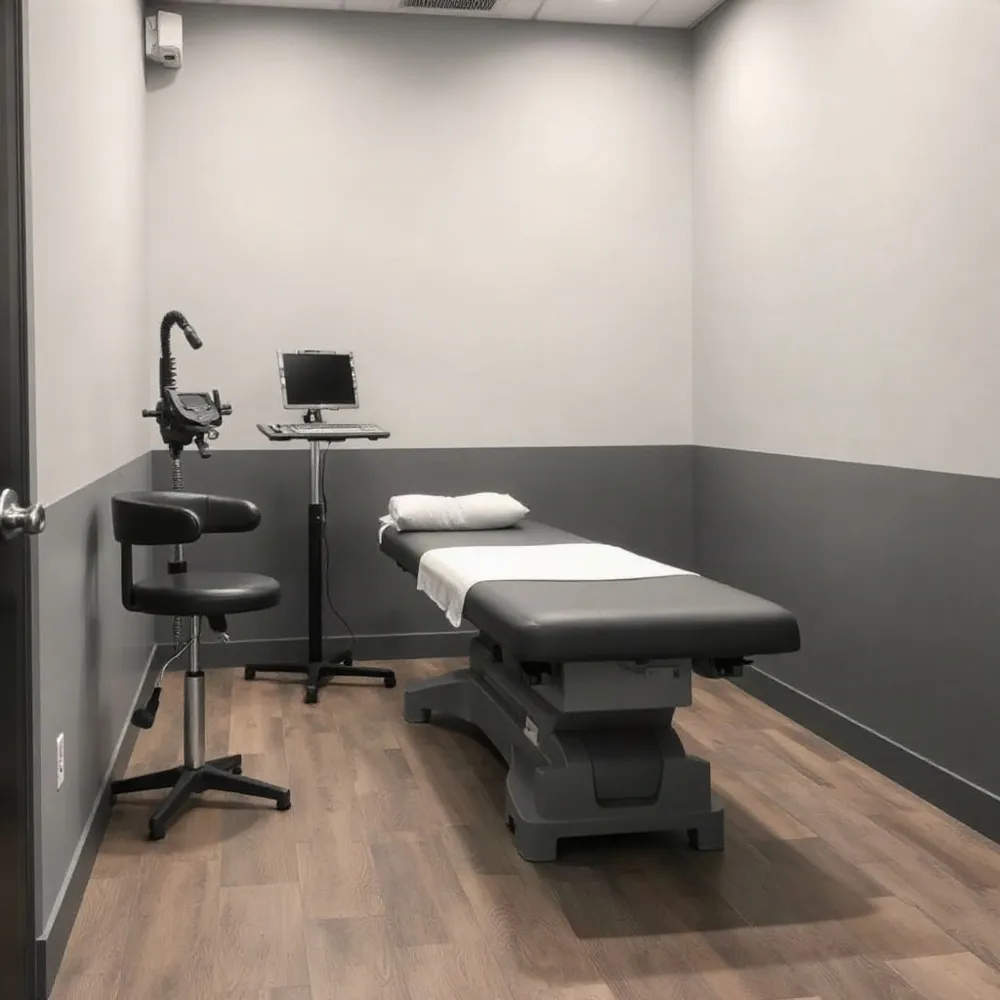
A Hands-On Approach to Joint Movement
Diversified is a hands-on chiropractic adjustment style that uses a brief, controlled movement at a targeted joint. It may be applied to parts of the spine or other joints, with the general aim of supporting movement and easing musculoskeletal discomfort. Chiropractic adjustments are one form of care for joint and spinal concerns, not a replacement for medical evaluation when needed. Cleveland Clinic’s overview of chiropractic adjustments explains their general purpose and approach.
For Raleigh families and individuals considering care, ask a licensed chiropractor whether this approach fits your health history, symptoms, and comfort level. At Osborne Chiropractic Clinic, care includes hands-on adjustments using Diversified and Gonstead methods, with attention to education and individual needs.
This section offers general information about Diversified technique. It does not describe Osborne Chiropractic Clinic’s specific examination or treatment protocols, and an adjustment cannot guarantee a particular result.
How Diversified Adjustments Work
 A Diversified adjustment uses a brief, controlled manual thrust directed at a restricted joint or spinal segment. The chiropractor chooses the position and amount of force to suit the area being treated and the person receiving care. This fits the broader description of chiropractic adjustments as controlled pressure applied to joints to support movement and function, as explained by the Cleveland Clinic.
The aim is to improve how a joint moves, not to force bones “back into place.” A popping or cracking sound may occur as gas is released within a joint, but the sound is not the purpose of the adjustment and does not show whether treatment is working.
Both Diversified and Gonstead are hands-on methods, but they guide care differently. Diversified is a versatile approach that may use quick, controlled adjustments to the spine or other joints. Gonstead typically relies on a focused assessment to guide specific adjustments, with imaging considered when appropriate. Osborne Chiropractic Clinic offers both methods, giving patients a chance to discuss which approach may fit their needs.
Before treatment, ask which method your chiropractor proposes and how your health history, comfort preferences, and goals shape that choice. At Osborne Chiropractic Clinic, private, hands-on care and patient education support a conversation about the options rather than assuming one technique suits everyone.
Conditions and Evidence to Discuss
What conditions can chiropractic care help address? People may seek chiropractic adjustments for back, neck, and other joint pain, some headaches, or discomfort related to sciatica. Adjustments may also be considered as part of care after whiplash or other auto-accident, work-related, or sports injuries. The Cleveland Clinic’s overview of chiropractic adjustments describes these common reasons for care, but it does not assess the Diversified technique specifically.
For arthritis, care may aim to support comfort and movement, not reverse the condition. Osborne Chiropractic Clinic offers hands-on adjustments, acupuncture, and spinal decompression. Which service, if any, may suit you depends on your symptoms, health history, and an individual assessment.
Is there scientific evidence that chiropractic care works? Research supports spinal manipulation as one option for some musculoskeletal pain, with the clearest support for certain types of low-back pain. The Mayo Clinic’s review of chiropractic adjustment notes that research supports its use for certain low-back pain, while response varies. Evidence for one condition or service does not establish that every approach works for every concern.
At Osborne Chiropractic Clinic, an assessment can help shape a discussion about appropriate care or whether another provider may be better suited to your needs. Before choosing a plan, ask what research suggests for your specific concern, what benefit to expect, how progress will be assessed, and what alternatives are available.
Safety, Screening, and Choosing a Chiropractor
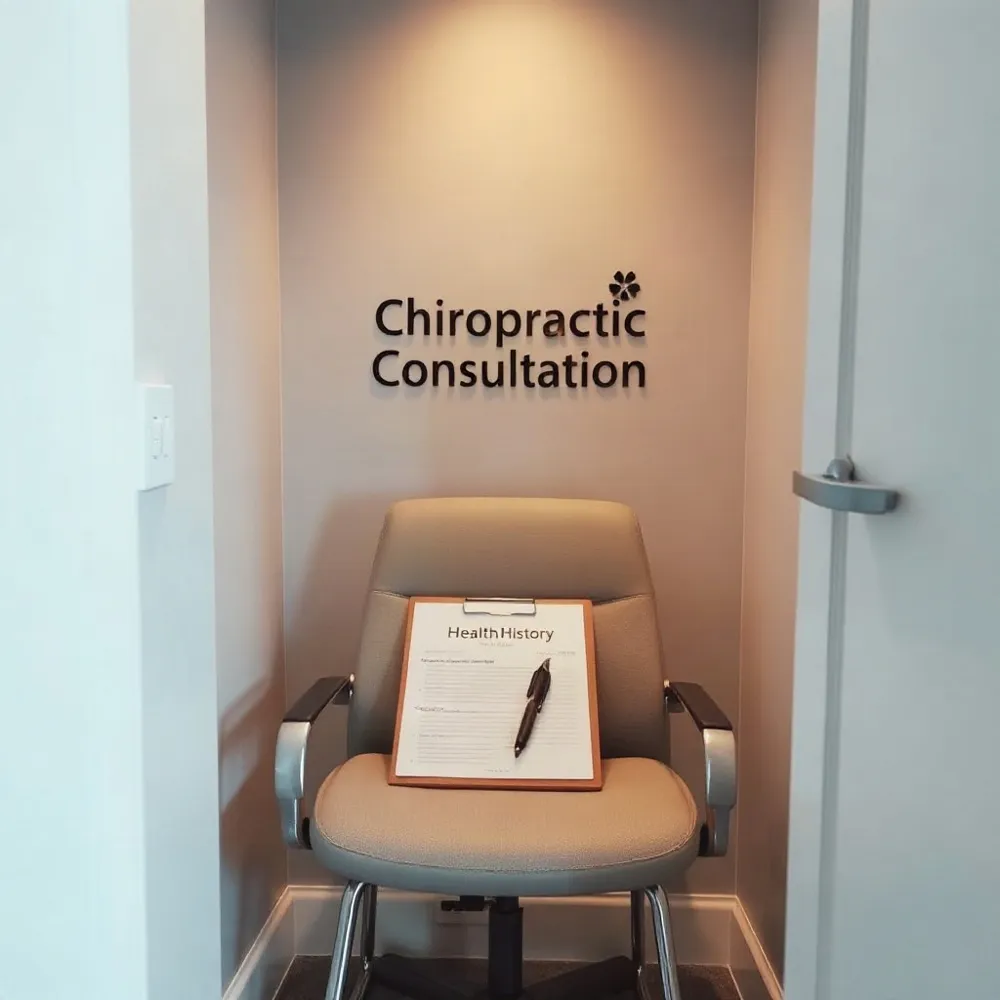 Before an adjustment, a chiropractor typically reviews your health history and examines your spine and movement. Imaging may be considered when it is clinically appropriate, and a referral may be recommended if chiropractic care is not a good fit. At Osborne Chiropractic Clinic, private, hands-on visits and patient education provide an opportunity to discuss your concerns and ask how a proposed technique fits your situation.
Some people notice temporary soreness, stiffness, or a headache after an adjustment. Serious complications are uncommon but can include worsening of a disc problem or nerve compression. Neck manipulation also carries rare risks, including stroke, so ask about the risks and alternatives, including approaches that do not involve neck manipulation. The Mayo Clinic’s guidance on chiropractic adjustment describes both possible side effects and situations in which adjustments may not be appropriate.
Tell your chiropractor about health conditions, recent injuries, and any new symptoms before care begins. Speak up if you feel uncomfortable or want to pause. After treatment, seek urgent medical attention for a sudden severe headache, weakness, numbness, trouble speaking, or changes in vision.
A careful provider explains the expected benefits, risks, and alternatives, welcomes questions, and adjusts the plan as your needs change. Be cautious of cure guarantees, sweeping claims about unrelated conditions, pressure to buy a long or costly plan before its rationale is clear, or advice to avoid appropriate medical care. A chiropractor should also be willing to coordinate with other healthcare professionals when needed.
In Raleigh, confirm that a chiropractor holds a current North Carolina license, and choose someone who helps you feel informed and respected. Chiropractic care may help some people with back or neck pain, headaches, or joint stiffness, and may improve movement, but results vary. It should complement, not replace, appropriate medical evaluation and treatment. For general guidance on adjustment care and screening, see the Cleveland Clinic’s overview.
Personalizing Visits and Tracking Progress
How often you see a chiropractor should depend on your symptoms, goals, and response to care. There is no universal schedule or fixed number of adjustments that suits everyone. Ask why a particular visit frequency is recommended, what signs will show progress, and when the plan will be reviewed. More treatment is not automatically better.
To assess whether care is helping, track changes in pain, movement, and everyday comfort. You might note whether sitting, sleeping, walking, working, or playing sports feels easier. Keep brief notes between appointments rather than judging progress from one unusually good or difficult day. A chiropractor can also ask follow-up questions and assess movement when appropriate.
At Osborne Chiropractic Clinic, personalized, hands-on care and patient education are part of the clinic’s approach, so patients can discuss goals and how their plan is progressing. Response to adjustments varies, and Mayo Clinic advises reconsidering care if symptoms do not improve after a few weeks. Tell your chiropractor if you are not improving or symptoms worsen. Adjustments can cause temporary soreness, so report new discomfort and ask whether the plan should change; Cleveland Clinic describes mild soreness as a possible short-term effect.
Understanding Costs Before Starting Care
 What should you expect to pay for chiropractic treatment? Costs depend on the services recommended, visit frequency, insurance coverage, and payment arrangements. An initial assessment may have a different fee from a routine adjustment or added services such as exercises or soft-tissue therapy, which may be part of a broader care plan (chiropractic adjustment care).
Before starting, ask for fees for the assessment, routine visits, and each recommended service. Request an estimate of expected costs and check whether your insurance covers the proposed care. Osborne Chiropractic Clinic offers flexible payment plans. Contact the clinic directly to confirm current fees, insurance benefits, and available payment options, since costs and coverage can vary.
Make an Informed Choice
Diversified is one adjustment style among several, and it may not suit every person. Your health history, comfort, and goals should guide the choice. Chiropractic adjustments are intended to complement, not replace, medical care, so discuss ongoing symptoms with your healthcare provider. Learn more about chiropractic adjustments.
For Raleigh families, an informed first visit means asking about the proposed approach, possible risks, expected costs, and other options. Osborne Chiropractic Clinic offers hands-on Diversified and Gonstead care in private adjusting rooms, with time for patient education. Choose a licensed provider who welcomes questions and explains the plan before care begins.