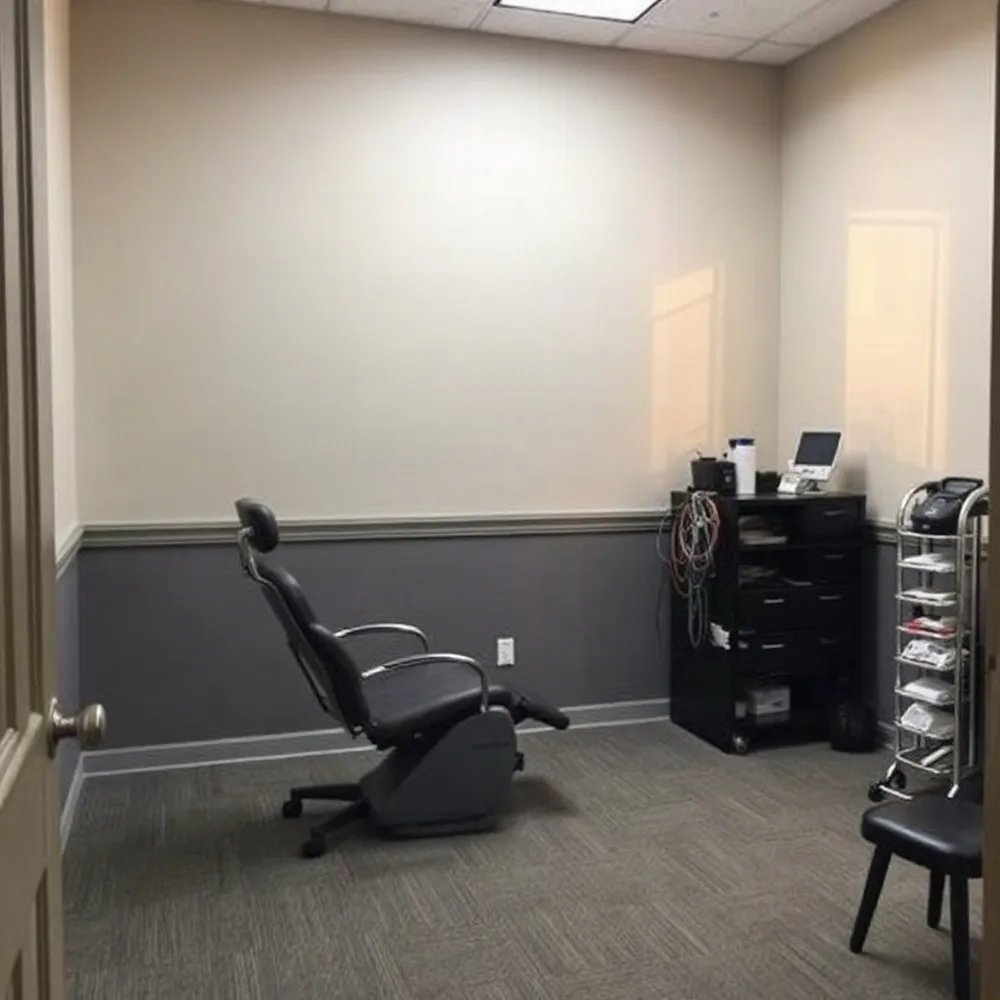
Start With Your Child’s Comfort
For Raleigh parents, preparing for a child’s chiropractic appointment can start with a simple goal: understand what the visit involves and help your child feel at ease. Use the conversation to share what you have noticed, ask questions, and decide whether the proposed care fits your family. Booking an appointment does not mean you have to agree to an adjustment.
Children’s care should be adapted to their age, development, size, and comfort, rather than treated as a smaller version of adult care. A clinician may discuss your child’s health and development and tailor the approach accordingly, as described in Palmer College of Chiropractic’s overview of pediatric care. At Osborne Chiropractic Clinic, the practice’s stated approach emphasizes hands-on care and patient education; ask the clinician to explain what is appropriate for your child.
This guide offers general preparation ideas, not a diagnosis or a promise of results. Research on pediatric chiropractic care has limits, so families should weigh possible benefits, risks, and alternatives with a qualified clinician and their child’s pediatrician. A review of evidence and safety in children also emphasizes informed decisions and coordination with a child’s health-care providers.
Understand the Evidence and Its Limits
 Some Raleigh families consider chiropractic care for children, but its use should not be mistaken for proof that it works for every concern. A 2024 review found that research is limited and often too weak to support firm conclusions about benefits for many childhood conditions, including some muscle and joint complaints. The review of evidence and safety also emphasizes that results vary.
It helps to separate musculoskeletal concerns, such as back discomfort, from claims about colic, sleep, feeding, asthma, or other conditions. Research has not established that chiropractic adjustments treat or prevent disease, and care should not replace a child’s usual medical treatment. Families can also consult Palmer College’s overview of pediatric chiropractic, while keeping possible benefits in perspective.
Before deciding, talk with your child’s pediatrician and ask the chiropractor what an approach is intended to address, what risks are known, and what alternatives are available. Ask how care will be adapted to your child’s age and size, and make sure you have time to consider the answers. At Osborne Chiropractic Clinic, families can raise questions with the care team before deciding whether an appointment is appropriate.
Medical professionals may question broad claims when studies are limited or vary in quality, and because symptoms sometimes need assessment beyond chiropractic care. Share relevant health information among your child’s providers, and seek medical advice rather than delaying an evaluation for a health concern. Parents can pause or decline care if they are not comfortable with the explanation or proposed plan.
Know What the Clinician May Assess
Know What the Clinician May Assess
A first appointment may start with a conversation rather than an adjustment. The clinician may ask about your child’s health and birth history, symptoms, development, daily activities, and any recent falls or injuries. Raleigh families can bring up changes they have noticed at home, such as a child moving differently or avoiding an activity.
The evaluation may include observing posture and movement, along with checking relevant areas for tenderness or muscle tension. The clinician should choose age-appropriate procedures and explain what they are assessing. An infant may be more at ease while held by a parent, while an older child may be able to follow simple movement instructions. Pediatric assessment guidance emphasizes adapting procedures to a child’s development and comfort, rather than applying an adult approach unchanged.
Care at Osborne Chiropractic Clinic is described as personalized and educational. Ask what the examination involves, what any findings mean, and how a proposed approach would fit your child’s age, comfort, and reason for the visit. If your child is able, invite them to say when something feels uncomfortable or to ask for a pause.
Imaging is not an automatic part of a child’s appointment. X-rays should be considered only when there is a clear clinical reason, with attention to limiting radiation exposure. A 2024 review of pediatric chiropractic care notes that evidence remains limited, so parents should ask about the purpose of any recommended test, its possible benefits and risks, and other options.
The clinician should discuss recommendations after evaluating your child, not assume that every child needs an adjustment. You can also share relevant medical history and coordinate with your child’s pediatric provider. Pediatric chiropractic guidance describes age-adapted care and coordination with other health professionals, while leaving decisions to the needs of the individual child.
Prepare Together Before the Appointment
 Prepare Together Before the Appointment
A little preparation can help your child feel less uncertain and make it easier to explain what has been happening. Before the visit, note when the concern began, where your child feels discomfort, and whether anything seems to ease or worsen it.
Include what you have noticed during play, rest, sports, or everyday movement. For example, does your child avoid a familiar activity, move differently after practice, or feel more comfortable at certain times? These observations can help guide a conversation, but they are not a diagnosis.
Share relevant health conditions, medications, past injuries or treatments, and any medical records you have. You can also let your child’s pediatrician know you are considering chiropractic care and discuss how it fits with other care.
Keep the explanation simple and reassuring: tell your child the visit may include talking about how their body feels and checking how they move. Let them know you can stay with them, and invite them to ask questions or say if they feel unsure. Avoid promising a particular result; every child’s needs and response are different.
Comfortable clothes can make it easier for a child to move during an assessment. Osborne Chiropractic Clinic offers pediatric care and emphasizes a personalized, educational approach, so Raleigh families can ask the clinic ahead of time about forms, what to bring, payment options, and accessibility needs rather than assuming what the appointment requires.
Bring your own questions, too. You might ask what the examination involves, what care choices may be considered, and how the clinician will adapt the visit to your child’s age and comfort.
Ask About Technique and Comfort
Before your child's adjustment, feel free to ask the clinician to explain the technique in simple, everyday terms. Many chiropractic methods for children use gentle adjustments, but the best approach depends on your child's needs and the reason for the visit. One Raleigh parent shared, "I was nervous at first, but the chiropractor explained everything and my child felt comfortable throughout." Clear communication is key.
Here are some helpful questions to ask: What do you recommend for my child, and why? What might my child feel during the procedure? Are there alternatives, and what are the possible risks and benefits? Also, ask how your child can signal discomfort and whether you or your child can pause or stop at any time.
Include your child in the conversation at their level. Younger children can point to a spot that feels uncomfortable or say if they're ready; older children can share their own questions and preferences. The clinician should take these responses seriously and explain each step before moving forward.
At Osborne Chiropractic Clinic in Raleigh, the team focuses on education and personalized, hands-on care. Ask them directly which method they recommend for your child and how they will adapt the visit to ensure comfort. Don't assume a particular technique or pressure level without discussing it with the clinician first.
Keep Safety and Medical Care Central
Keep Safety and Medical Care Central
Your child's comfort and safety come first in every decision about their care. Chiropractic care for children is typically gentle and low-force, and serious complications are very rare. Still, it's wise to understand both the benefits and the risks so you can make an informed choice. A recent review of the evidence reminds us that even gentle care deserves thoughtful consideration. You can explore the research here.
Before your child receives care, ask the chiropractor to explain the possible benefits, risks, and options in plain language. You have the right to pause or say no if your questions aren't answered or your child seems uneasy. At Osborne Chiropractic Clinic in Raleigh, we take an educational, hands-on approach that encourages open conversation about your child's needs before any care begins.
It's also a good idea to share your plans with your child's doctor, especially if they have an ongoing health condition, take medication, or are receiving other treatment. Keeping everyone informed helps your family make coordinated decisions. Guidelines for children's care also stress the importance of clear explanations and your consent before any check-up or treatment.
If your child has a significant injury or sudden, severe signs like new weakness, numbness, or loss of bladder or bowel control, seek medical attention right away. These situations need prompt medical care, not chiropractic care. When in doubt, call your child's doctor or emergency services for guidance.
Many families in our Raleigh community have found that asking questions and working closely with their chiropractor and doctor gives them peace of mind. We're here to support you every step of the way.
Recognize When to Seek Medical Care First
 Recognize When to Seek Medical Care First
If your child is hurt or showing sudden symptoms like weakness, numbness, or trouble moving, please seek medical care right away. It's always better to check with a doctor or head to urgent care than to wait for a chiropractic appointment.
Some health conditions or recent injuries may mean chiropractic care should be deferred, changed, or considered only after medical guidance. Share relevant diagnoses, medications, surgeries, and details of recent accidents or injuries with the clinician.
Research shows that delaying a medical assessment can sometimes lead to serious issues being missed, which is why we always recommend clear conversations about risks, benefits, and alternatives. At Osborne Chiropractic Clinic in Raleigh, our educational, personalized approach means families can discuss a child’s health history and concerns before any care is considered. One Raleigh mom recently told us how grateful she was to have a thorough conversation with our team before her son's first adjustment. It helped her feel confident that chiropractic was the right next step for their family.
That conversation does not replace medical evaluation when symptoms may be urgent. If you are unsure how quickly your child needs help, contact a medical professional or emergency services rather than waiting for an adjustment. For non-urgent questions about a child’s appointment, the clinic’s guide to a first visit can help you understand what families may want to discuss.
Choose Care That Fits Your Family
You and your child can decide not to proceed with care. Our chiropractor will respect that choice, answer your questions, and give your family time to consider the options without pressure. At Osborne Chiropractic Clinic in Raleigh, we emphasize education and personalized attention, so feel free to ask for a clear explanation before deciding. One Raleigh parent recently told us how much they appreciated having time to ask questions before their child’s first visit—it made the experience comfortable for the whole family.
If your child prefers not to have care, let us know. You can also ask both our chiropractor and your child’s pediatrician what approaches may be suitable for the specific concern. Depending on the situation, options might include a medical evaluation, activity suggestions, or other forms of support; no single approach is right for every child.
The Palmer College article on pediatric chiropractic describes care adapted to a child’s age and development, which may include gentle techniques and daily habits that support health. This is general information, not a list of services offered by Osborne Chiropractic Clinic in Raleigh. Confirm what we provide and whether it fits your child’s needs.
Families in Raleigh can discuss options together, including with your child’s pediatrician, and weigh potential benefits, risks, and alternatives. The goal is an informed choice that respects your child’s comfort and does not delay needed medical care.
Expect an Individualized Plan
Every child is unique, so there's no one-size-fits-all schedule. Your chiropractor will tailor recommendations based on your child's specific needs, the reason your family is seeking care, and how your child responds. The goal is a plan that fits your child, not a preset series of appointments.
Feel free to ask your chiropractor why they recommend a particular frequency or duration, what changes they will monitor, and when they will review progress. Pediatric visits often include age-appropriate techniques and guidance on habits like posture, sleep, and activity. Many Raleigh families have shared how personalized care has made a positive difference for their children.
At Osborne Chiropractic Clinic, we focus on education and hands-on care, giving Raleigh parents the opportunity to ask questions and understand each step. You can ask what progress might look like for your child and how we will decide together whether to continue, adjust, or stop the plan.
We always welcome your questions and concerns. If your child isn't making the progress you hoped for, let's talk before scheduling more visits. Reassessment might mean adjusting the approach or working with another professional. We believe in being transparent about what chiropractic care can offer, including potential benefits and risks, so you can make an informed choice for your family.
Make an Informed, Unhurried Choice
Before deciding, share your child’s health history and what you have noticed at home, then ask the clinician to explain the proposed care, possible risks, alternatives, and what is known about its benefits. The 2024 review of chiropractic care in children stresses informed consent and the limits of current evidence.
Include your child in the conversation in a way that fits their age, and coordinate with their pediatrician so everyone understands the plan. At Osborne Chiropractic Clinic, the emphasis on education and personalized, hands-on care can support a clear discussion of your family’s concerns.
There is no need to agree to an adjustment before your questions are answered. You can pause, seek another opinion, or choose a different approach. Let your child’s comfort and well-being guide the decision, not a promised result.