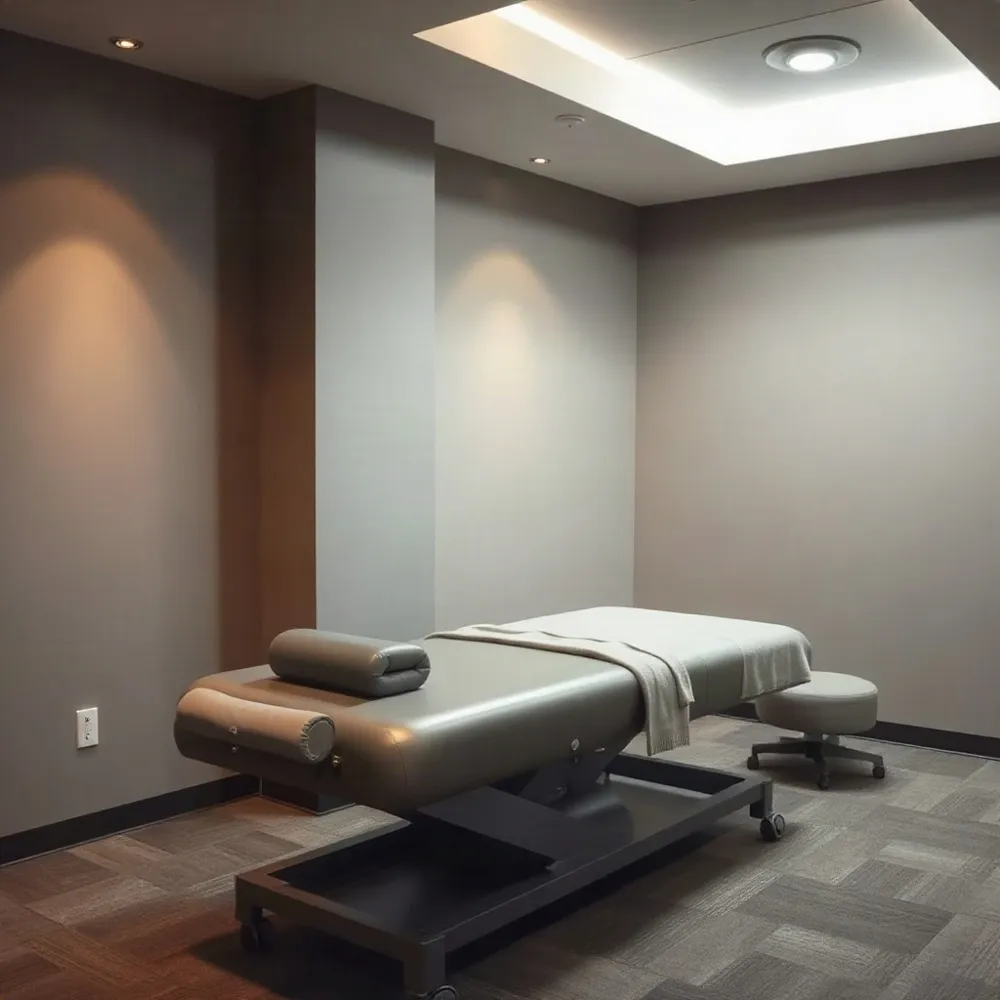
Embracing a Pain-Free, Active Life in Raleigh
Finding the right chiropractor in Raleigh can feel overwhelming, especially when you're already dealing with back pain, headaches, or an injury from a recent car accident. You want someone who listens, uses proven techniques, and fits your lifestyle and budget. At Osborne Chiropractic Clinic, we make the decision easier by offering a warm, family-focused environment paired with evidence-based care and a genuine commitment to your long-term wellness.
When you search for a chiropractor, you'll notice many clinics advertise similar services. The key is to look beyond the surface and find a practice that combines advanced technology with personalized attention. We use state-of-the-art x-ray imaging and the DRX9000 non-surgical disc decompression system, alongside traditional chiropractic adjustments. Our team applies Gonstead and Diversified methods, which are recognized for their precision and effectiveness. Whether you're dealing with chronic back pain, sciatica, whiplash, or arthritis, we tailor every adjustment to your specific needs.
What to Look for in a Raleigh Chiropractor
Start by checking the range of services offered. A good chiropractor should provide more than just spinal adjustments. At Osborne Chiropractic Clinic, we offer chiropractic care, acupuncture, spinal decompression, and pediatric care all under one roof. This comprehensive approach means you won't be referred to multiple specialists for different issues. We also offer extended office hours and flexible payment plans, making it easier for busy families and individuals with demanding schedules to get the care they need.
Another important factor is the approach to care. Some clinics focus only on relieving pain in the moment, but we emphasize education and maintenance. Regular chiropractic adjustments can help correct minor misalignments before they develop into chronic issues, which is a core reason why chiropractors recommend maintenance care. Our goal is to not only reduce your current pain but also to teach you how to maintain a healthy spine and active lifestyle. This aligns with research showing that chiropractic maintenance care can support long-term wellness and improve quality of life.
Why Local Experience Matters
Choosing a chiropractor who understands the Raleigh community is a plus. Local practitioners are more likely to be familiar with common injuries from sports, auto accidents, and physical work in our area. At Osborne Chiropractic Clinic, we've built our practice around serving families, athletes, and individuals recovering from car accidents or work-related injuries. We know that each patient's journey is unique, which is why we invest time in listening to your history and goals before any adjustment.
When comparing chiropractors, you might come across larger chains or franchise clinics. While they may offer lower upfront prices, they often rely on high-volume visits and generic treatment plans. In contrast, we provide a high-touch, personalized experience. You'll spend more one-on-one time with your chiropractor, and we'll adjust your treatment plan as your body responds. This level of attention is what sets us apart and why patients in Raleigh trust us for their ongoing chiropractic care.
The Role of Technology and Techniques
Advanced technology can make a significant difference in your treatment outcomes. We use digital x-rays to get a precise view of your spine and identify the root cause of your pain. This allows us to create a targeted care plan rather than using a one-size-fits-all approach. Additionally, our use of the DRX9000 for non-surgical disc decompression offers an alternative for those seeking relief from herniated discs or sciatica without invasive procedures.
Our chiropractors stay current with the latest research and techniques through ongoing professional development. This commitment to learning means we can offer you the most effective adjustments, whether you prefer the gentle, precise approach of Gonstead or the diversified method. It's this combination of technology and skill that helps our patients achieve measurable improvements in mobility and pain reduction.
Making Your First Appointment
If you're ready to take the first step toward a pain-free life, we invite you to schedule a visit. We offer a welcoming environment where you can ask questions and feel confident in your care. During your initial consultation, we'll review your health history, perform a thorough examination, and discuss how chiropractic can benefit you. We also offer flexible payment options and work with you to ensure cost is not a barrier to getting the help you need.
Choosing the right chiropractor is a personal decision, but it doesn't have to be stressful. By focusing on comprehensive care, advanced technology, and a genuine interest in your well-being, Osborne Chiropractic Clinic stands ready to support you. Whether you're dealing with a recent injury or simply want to maintain your health, we're here to help you live your best, most active life in Raleigh.
Understanding Maintenance Chiropractic Care
When you visit a chiropractor, you're usually seeking relief from pain. That's called relief care. But many patients wonder if they should continue coming in after the pain is gone. This is where maintenance care, also known as preventive or wellness care, comes in. Understanding the difference between the two helps you make informed decisions about your health.
Relief care focuses on addressing acute symptoms like back pain, neck pain, or headaches. The goal is to reduce pain and restore function as quickly as possible. Once you're out of pain, some people think the work is done. However, as research shows, maintenance care in chiropractic is about more than just symptom management. It's about preventing future issues and maintaining the progress you've made.
Relief Care. This phase is reactive. It addresses a specific problem like a herniated disc, whiplash, or chronic back pain. Treatment is more frequent and intense, often with the goal of reducing pain within a few weeks. You might visit once or twice a week during this time.
Maintenance Care. This phase is proactive. It's designed to catch minor misalignments before they cause pain. Instead of treating symptoms, maintenance care focuses on optimizing spinal function and overall wellness. You might visit less frequently, such as once a month, to keep your body in balance.
So, how often should you see a chiropractor for maintenance care? The answer varies, but many experts suggest a regular schedule. For example, some recommend maintenance visits every few weeks to months depending on your lifestyle, age, and health goals. For athletes, more frequent visits might be needed to support performance and recovery. For others, a monthly checkup might be enough.
At Osborne Chiropractic Clinic, we see the value in both approaches. We start with a thorough assessment to understand your pain and goals. Then, we create a personalized plan. For those in Raleigh looking to move beyond pain relief, we recommend regular spinal maintenance as a way to stay active and pain-free. Our team, using Gonstead and Diversified methods, helps you maintain alignment so you can enjoy life without constant discomfort.
Signs You're Ready for Maintenance Care
How do you know when it's time to transition from relief to maintenance? Look for these signs: your pain has subsided, you're sleeping better, and you can move more freely. If you've completed a course of treatment and feel good, it might be time to discuss maintenance options. Regular adjustments can help you avoid future flare-ups and maintain your quality of life.
Some people worry about becoming dependent on chiropractic care. But maintenance care is about education and self-awareness. It's not about making you reliant on adjustments; it's about keeping your spine healthy so you don't need more aggressive treatment later. As one chiropractor explains, maintenance care is about preventing problems, not creating dependencies.
| Aspect | Relief Care | Maintenance Care |
|---|---|---|
| Goal | Reduce pain and restore function | Prevent future issues and maintain wellness |
| Frequency | Often 1-2 times per week | Typically once a month or less |
| Duration | Short-term, weeks to a few months | Ongoing, as part of a wellness routine |
| Approach | Reactive to symptoms | Proactive and preventive |
| Example | Treating a herniated disc or whiplash | Regular checkups for athletes or desk workers |
In the end, the choice between relief and maintenance care depends on your individual needs. If you're in Raleigh and want to stay pain-free, consider a maintenance care program. We're here to help you understand what's right for your body. Whether you're dealing with a recent injury or simply want to improve your overall wellness, our team is ready to guide you.
The Science Behind Regular Adjustments
For many Raleigh residents, chiropractic care starts with a specific problem: a stiff neck, a dull ache in the lower back, or lingering pain after a car accident. Once that initial pain subsides, it can be tempting to stop treatment entirely. However, maintenance chiropractic care offers a different approach, one focused on preventing problems from returning and supporting your body's long-term health.
Unlike acute care, which aims to relieve a specific symptom, maintenance care involves regular visits to correct minor misalignments before they develop into more serious issues. As a 2023 research review notes, this type of ongoing care is often recommended to maintain the benefits of treatment and prevent recurrence of symptoms. For families and athletes in Raleigh, this means fewer disruptions to your routine and a more consistent level of comfort.
What Maintenance Care Involves
A typical maintenance visit at Osborne Chiropractic Clinic focuses on assessing your spine and making small adjustments to keep your body in balance. These visits are usually shorter than initial treatments and are tailored to your specific needs, whether you're dealing with postural strain from desk work or recovering from a sports injury. The goal is not just to feel good during the appointment, but to maintain that feeling between visits.
Frequency. There's no one-size-fits-all answer, but many chiropractors recommend a maintenance visit every 4 to 6 weeks. Your specific plan will depend on your age, activity level, and the nature of your condition. A maintenance care guide from a chiropractic resource highlights that consistency is more important than rigid scheduling.
Focus. Unlike acute care, which addresses a specific injury, maintenance care is proactive. It helps manage ongoing issues like chronic back pain, sciatica, and migraines by keeping your spine properly aligned and your nervous system functioning optimally.
Outcome. Patients who commit to maintenance care often report better posture, increased energy, and fewer sick days. A key benefit is the early detection of minor issues, which can be corrected before they become painful problems.
Why It Matters for Long-Term Wellness
Regular chiropractic adjustments are about more than just pain relief; they're an investment in your overall quality of life. As a Cleveland Clinic overview explains, chiropractic care can improve range of motion and support your body's natural healing abilities. For busy Raleigh parents or athletes, this translates to staying active and enjoying the activities you love without the constant threat of recurring pain.
Consider the alternative: if you stop care after your pain subsides, the underlying misalignments that caused the problem often remain. Over time, this can lead to degeneration and more serious issues. A chiropractic benefits guide notes that consistent care can help reduce reliance on medication and support better spinal function, which is a core goal at our clinic.
How Often Should You Schedule?
The right frequency for maintenance care varies. While some patients thrive with a visit every few weeks, others may only need a check-up every couple of months. The best approach is to have an open conversation with your chiropractor about your lifestyle and health goals. For example, a guide on maintenance frequency suggests that those with physically demanding jobs or chronic conditions may need more frequent visits than someone who is relatively inactive.
At Osborne Chiropractic Clinic, we work with you to develop a personalized maintenance plan. We consider your unique stressors, your work habits, and your health history to determine a schedule that keeps you moving and feeling your best. The focus is on practical, evidence-based care that fits into your life, not a one-size-fits-all prescription.
| Aspect | Acute Care | Maintenance Care |
|---|---|---|
| Goal | Relieve pain | Prevent recurrence |
| Frequency | Intensive, short-term | Ongoing, scheduled |
| Focus | Specific injury | Overall spinal health |
| Outcome | Symptom relief | Long-term wellness |
Ultimately, maintenance chiropractic care is about taking control of your health. Instead of waiting for pain to force a visit, you're actively working to prevent it. This proactive approach aligns with the philosophy at Osborne Chiropractic Clinic, where we emphasize education and patient empowerment. By prioritizing regular adjustments, you're not just addressing your spine; you're supporting your entire body's ability to function at its best.
How Often Should You Schedule Visits?
Once your initial relief and corrective phases are complete, the question naturally shifts from "how do I fix this?" to "how do I keep it from coming back?" Maintenance care, sometimes called supportive care, is the phase where the focus moves from resolving your current problem to preventing future flare-ups. For many Raleigh patients, this is the stage that transforms a temporary fix into a lasting solution.
The right frequency for maintenance visits varies from person to person. There isn't a one-size-fits-all schedule, but rather a personalized plan based on your spine's unique response to care, your lifestyle, and your history of injuries. Your chiropractor will typically assess your progress and recommend a frequency that keeps you functioning at your best, which might mean a visit every two weeks, every three weeks, or even once a month. As noted by the PMC review on maintenance care, the goal is to find the least frequent schedule that maintains the benefits you've achieved.
To get a clearer picture of what that looks like in practice, consider the table below. It breaks down the typical phases of chiropractic care and the general frequency range for each, helping you understand where maintenance fits into the bigger picture.
| Phase | Goal | Typical Frequency |
|---|---|---|
| Relief Care | Reduce acute pain and symptoms | 2-3 times per week |
| Corrective Care | Stabilize and heal underlying issues | 1-2 times per week |
| Maintenance Care | Prevent recurrence and maintain function | Every 2-4 weeks |
Factors That Influence Your Maintenance Schedule
Your individual maintenance schedule isn't random. It's built around a few key factors that your chiropractor will consider. Your age, activity level, the nature of your job, and any history of chronic issues like arthritis or prior injuries all play a role. For instance, someone who sits at a desk all day in Raleigh might need more frequent visits than someone who's on their feet, simply because prolonged sitting places sustained stress on the lower back and neck.
Another major factor is how consistently you've maintained your care. The benefits of chiropractic adjustments tend to compound over time. Regular, preventive visits help keep your spine properly aligned, which supports your nervous system and overall health. As Cleveland Clinic explains, adjustments can help improve range of motion and reduce muscle tension, which are key for preventing small issues from becoming big ones.
Personal Goals. Are you aiming for pain-free function, or are you training for a marathon? Your goals will dictate how aggressive your maintenance schedule needs to be.
Response to Care. Some spines hold adjustments better than others. Your body's response over the first few months will help your chiropractor tailor the frequency.
Lifestyle Demands. Physical jobs, sports, and even stress levels can all increase the wear and tear on your spine, potentially requiring more frequent tune-ups.
It's also worth noting that maintenance care isn't just about preventing pain. It's an investment in your long-term wellness. By addressing minor misalignments before they cause symptoms, you're helping your body function more efficiently. Research published on maintenance care suggests that patients who receive ongoing supportive care tend to experience fewer acute episodes and better overall outcomes than those who stop after their initial relief.
When you're deciding on a schedule with your chiropractor, be open about your lifestyle and any limitations. The best plan is one you can realistically stick to. Whether that means coming in every couple of weeks for a quick adjustment or once a month for a check-in, the consistency is what counts. As your body stabilizes, you might even find you can extend the intervals between visits without losing ground, but that's a conversation to have with your care team.
Ultimately, the goal of maintenance care is to keep you out of pain and living your life to the fullest. It's about taking a proactive stance toward your health rather than reacting to symptoms when they appear. By working with your chiropractor to establish a sustainable rhythm, you're making a powerful choice for your long-term mobility and well-being.
Is Monthly Care Worth the Investment?
 At Osborne Chiropractic Clinic, patients often ask how long the benefits of an adjustment last and how often they should return. A single visit can provide relief, but the real value of chiropractic care builds over time. Understanding how your body responds after an adjustment helps you plan visits that keep you moving well instead of merely chasing the next appointment.
What Happens to Your Body Between Adjustments
After an adjustment, your nervous system and spinal joints experience a period of change. Muscles relax, joint motion improves, and nerve signals travel more clearly. This window of improved function is exactly when your tissues can heal and adapt. However, if you wait too long between visits, your body has time to drift back into the patterns that caused pain in the first place. That is why Osborne Chiropractic Clinic designs care plans that build on the progress from each visit rather than letting gains fade.
Finding Your Ideal Visit Frequency
There is no single answer that fits everyone. The right schedule depends on your age, activity level, daily habits, and the type of injury or condition you are managing. Many patients benefit from more frequent visits during the initial relief phase, then gradually reduce to a maintenance schedule that prevents flare-ups. According to chiropractic researchers, maintenance care is often used to prevent problems from returning and to support long-term wellness, especially for those who sit at desks, play sports, or have physically demanding jobs. A 2011 review in the National Library of Medicine found that maintenance care is commonly recommended for chronic back pain and other recurring complaints, though research on the ideal frequency remains limited (maintenance care in chiropractic).
For most people, the initial phase involves two to three visits per week for several weeks. Once your pain and mobility improve, the frequency often drops to once every two to four weeks. Eventually, you might settle into a monthly or quarterly maintenance plan. The goal is simple: keep your spine aligned so your body can function at its best.
Signs You Are Ready to Reduce Visits
You will know you are ready to space out your appointments when your pain is consistently lower, your range of motion stays steady between visits, and you can return to your normal activities without setbacks. Your chiropractor will also consider how your symptoms respond to the care you have received. If you miss an adjustment and feel your old symptoms returning, that is a strong signal your schedule is too spread out. The same applies if you need frequent re-adjustments just to feel normal again.
Maintenance Care: Why It Matters
Maintenance care is not about over-treatment; it is about prevention. Regular adjustments help catch small misalignments before they become painful issues. Over time, this reduces your reliance on pain medication and helps you stay active with your family, work, and hobbies. As one chiropractic resource explains, maintenance visits are described as an investment in your body's longevity (regular spinal maintenance). At Osborne Chiropractic Clinic, we build these plans together with you, respecting your schedule, budget, and treatment goals.
How Osborne Chiropractic Clinic Personalizes Your Schedule
Every patient who walks through our doors in Raleigh receives a tailored approach. We start with a thorough evaluation, including advanced imaging when needed, to understand exactly what your spine needs. From there, we outline a clear treatment plan that outlines how often you should be seen and why, so you always know what to expect. We also offer extended office hours and flexible payment plans to make consistent care convenient. If your goal is simply to feel better, or if you want to prevent future problems, we adapt the frequency to fit your life.
The Bottom Line on Visit Frequency
There is no universal answer, but the best schedule is the one that keeps you feeling your best between visits. Listen to your body, communicate openly with your chiropractor, and don't be afraid to ask how often you should come back. With the right plan, chiropractic care becomes a powerful part of your overall wellness routine. To learn more about how often you should schedule chiropractic maintenance visits, check out our guide on scheduling maintenance visits.
Signs You Might Need Regular Maintenance
 Chiropractic maintenance care is a proactive approach to spinal health. Rather than waiting for pain to force a visit, you commit to regularly scheduled adjustments that keep your spine aligned and your nervous system working without interference. The goal is straightforward: catch minor misalignments early, before they become chronic problems. Research published in the PMC database notes that maintenance care is a common chiropractic practice, though evidence on its optimal frequency is still evolving. What matters for you is consistency, not guesswork. Regular visits help your body stay balanced, reduce the likelihood of future flare-ups, and support long-term wellness.
The science behind why maintenance care works ties back to how your body adapts to daily stress. Poor posture, prolonged sitting, and repetitive movements all place strain on your spine. Over time, that strain can lead to joint dysfunction, muscle tension, and reduced mobility. By scheduling routine adjustments, you give your body a chance to correct these patterns before they become entrenched. This is why chiropractors often compare maintenance care to dental checkups or routine exercise: you do not wait for a cavity to hurt before you brush, and you should not wait for back pain to limit your life before you seek care.
Maintenance care. Routine, scheduled chiropractic visits designed to preserve spinal alignment, prevent symptom recurrence, and support overall health. Unlike acute care, which addresses active pain, maintenance focuses on staying well and catching dysfunction early.
Acute care. Short-term, frequent adjustments aimed at reducing pain and restoring function during an active injury or flare-up. Once symptoms subside, maintenance care often takes over to solidify gains and prevent relapse.
How Often Should You Visit a Chiropractor for Maintenance?
The short answer is: it depends. There is no one-size-fits-all frequency because your body, lifestyle, and health goals are unique. That said, a common starting point for many people is once every two to four weeks. Some patients who are very active, have physically demanding jobs, or are managing a chronic condition like arthritis may benefit from more frequent visits. Others who are further along in their wellness journey might stretch to once a month or even once a quarter. The key is to work with your chiropractor to establish a schedule that fits your body's needs, not a rigid number pulled from the internet.
Your first appointment will include a thorough assessment to determine where you stand. Your chiropractor will review your history, perform a physical exam, and may take x-rays to get a clear picture of your spinal health. Based on that information, they will recommend a care plan. For most people, this starts with a series of adjustments over several weeks to address active issues, then transitions to a maintenance schedule. Regular spinal maintenance is about more than just pain relief; it is about preserving your body's function so you can stay active, sleep well, and avoid the downward spiral of chronic pain. As one chiropractic maintenance guide explains, the goal is to prevent minor issues from becoming major ones.
Signs You Might Need More Frequent Care
Even if you feel fine, your body can send subtle signals that your spine is out of alignment. Common indicators include persistent neck or back stiffness, recurring headaches, reduced range of motion in your shoulders or hips, and that feeling of "something is off" even when you cannot pinpoint it. If you sit at a desk for eight hours a day, sleep on an old mattress, or have had a recent injury like a car accident or sports mishap, you are likely a candidate for more consistent care. Recognizing these signs early is why knowing when to schedule a chiropractic checkup matters. Waiting until the pain becomes unbearable makes treatment longer and more involved than necessary.
Athletes and active individuals often need maintenance care to keep their bodies performing at peak level. Regular adjustments help maintain joint mobility, reduce the risk of injury, and speed up recovery after intense workouts. For those who have suffered a previous injury, maintenance care is not optional; it is part of the recovery and prevention plan. The benefits of regular chiropractic adjustments extend beyond the spine, influencing your entire nervous system and overall well-being. When your body is aligned, your muscles work more efficiently, your immune system functions better, and your energy levels naturally rise.
Why Maintenance Care is So Important for Long-Term Health
Chiropractic maintenance care is not just about avoiding pain; it is about maximizing your quality of life. Regular adjustments improve posture, enhance sleep quality, and help you maintain an active lifestyle well into your later years. Research on maintenance care suggests that while many patients find it beneficial, the evidence base is still developing, and the appropriate frequency varies by individual. This is why a personalized approach matters. What works for your neighbor might not work for you. Your chiropractor will track your progress, adjust your care plan as needed, and help you make informed decisions about your health. This is a collaborative partnership, not a passive treatment.
For Raleigh families, especially those with children or aging parents, maintenance care offers a proactive way to manage health. Kids with growing spines, parents with physical jobs, and grandparents with arthritis can all benefit from regular adjustments. The goal is to support your body's natural ability to heal and adapt, reducing reliance on medications and invasive procedures. If you are wondering how often you should schedule chiropractic maintenance visits, the answer lies in a conversation with your chiropractor. They will consider your lifestyle, health history, and personal goals to craft a schedule that keeps you feeling your best.
When to Consider Stopping or Adjusting Your Maintenance Plan
Maintenance care is not a lifelong commitment if you do not want it to be. The frequency can change over time based on how your body responds. If you have been symptom-free for several months, you and your chiropractor might decide to extend the time between visits. Conversely, if you experience a new injury or a major life stressor, you might need to increase the frequency temporarily. The decision to stop or adjust is a collaborative one. A useful guide on when to stop chiropractic treatment highlights that the end goal is self-sufficiency: you want to reach a point where your body is strong and aligned enough that you can maintain your health with less frequent care.
It is also worth noting that maintenance care is not a sign of weakness or dependency. It is a smart investment in your health, much like regular dental cleanings or annual physicals. Many patients find that as their spine stays aligned, they experience fewer sick days, better mood, and improved overall vitality. If you are unsure whether maintenance care is right for you, start with an honest conversation with your chiropractor. They can help you understand the potential benefits and set realistic expectations.
Practical Tips for Getting the Most Out of Maintenance Visits
-
Be consistent: Treat your maintenance visits like any other important appointment. Consistency is what drives results.
-
Communicate openly: Tell your chiropractor about any new symptoms, lifestyle changes, or activity levels between visits.
-
Follow through on at-home recommendations: Stretches, exercises, and ergonomic changes are part of the plan.
-
Listen to your body: If something feels off, do not wait for it to become a bigger issue. Schedule a visit sooner rather than later.
-
Track your progress: Note improvements in pain, mobility, and energy. This helps you and your chiropractor see what is working.
By following these steps, you get more value from each visit and take an active role in your health. Remember, chiropractic care is not a passive treatment; it is a partnership. The more engaged you are, the better your outcomes.
| Frequency | Best For | Typical Goals |
|---|---|---|
| Every 2-4 weeks | Active pain, new injuries, athletes | Reduce pain, restore function, prevent flare-ups |
| Monthly | General wellness, busy professionals | Maintain alignment, catch issues early |
| Quarterly or less | Long-term stability, symptom-free patients | Preserve results, support overall health |
Ultimately, the right maintenance schedule is the one that works for you. A chiropractor is your guide, but you are the driver. By staying consistent, communicating openly, and listening to your body, you can enjoy the many benefits of regular chiropractic care for years to come. Whether you are just starting your journey or looking to optimize an existing routine, maintenance care is a powerful tool for a pain-free, active life in Raleigh.
Personalizing Your Care Plan
When back, neck, or joint pain interrupts your daily routine, choosing the right chiropractor in Raleigh makes all the difference. Unlike larger corporate clinics that rely on rotating staff and one-size-fits-all treatment plans, Osborne Chiropractic Clinic offers private, hands-on care delivered by a consistent provider who knows your history. This personalized attention, paired with advanced technology like the DRX9000 non-surgical disc decompression system, sets the practice apart for families, athletes, and anyone recovering from an injury.
Comparing Chiropractic Care Options in Raleigh
Chiropractic care generally falls into a few categories, and understanding them helps you decide what fits your needs. Traditional chiropractic adjustments focus on spinal alignment and joint mobility, often providing quick relief for acute pain. According to the Mayo Clinic, spinal manipulation is effective for conditions like lower back pain, neck pain, and certain headaches. Maintenance care, on the other hand, is a proactive approach designed to prevent future flare-ups and support long-term wellness. Research on maintenance care suggests it can reduce symptom recurrence and improve overall function when tailored to the individual.
At Osborne Chiropractic Clinic, the focus is on a hybrid model that combines acute relief with sustainable maintenance. Each plan is built around your specific condition, lifestyle, and goals. This contrasts with a purely reactive model, where patients only seek care after pain becomes unbearable. For Raleigh residents who want more than a temporary fix, this comprehensive approach offers a path to lasting mobility and reduced reliance on medication.
What Sets Osborne Chiropractic Clinic Apart
Several factors distinguish Osborne Chiropractic Clinic from other chiropractic offices in the area. First, the clinic uses Gonstead and Diversified adjustment methods, which are evidence-based techniques that offer precise, comfortable corrections. These methods are particularly effective for patients who have not responded well to more generic adjustment styles. Second, the clinic’s extended office hours and flexible payment plans make consistent care accessible, whether you are a busy professional, a parent juggling school runs, or an athlete with a demanding training schedule.
Another differentiator is the investment in diagnostic technology. State-of-the-art x-ray imaging allows the team to pinpoint the root cause of your pain rather than just treating symptoms. This thoroughness means fewer visits overall and better outcomes, a point echoed in chiropractic benefit guides that emphasize the value of accurate assessment. For those dealing with chronic conditions like sciatica, whiplash, or arthritis, this level of detail is not a luxury—it is essential for effective care.
Tailored Care Plans for Every Patient
No two bodies are alike, and neither are the treatment plans at Osborne Chiropractic Clinic. After a comprehensive evaluation, the chiropractor designs a personalized program that may include spinal adjustments, acupuncture, or spinal decompression using the DRX9000. This equipment is particularly beneficial for herniated discs and nerve compression, offering a non-surgical alternative to more invasive procedures. The goal is always to restore function, reduce pain, and educate you on how to maintain your progress at home.
For many patients, the question of how often to receive care is a common one. While acute issues may require multiple visits per week initially, the frequency typically tapers as your body heals. Regular maintenance visits help catch minor misalignments before they become painful problems, which is why the clinic emphasizes ongoing education and self-care strategies. This proactive mindset not only improves your quality of life but also saves you time and money in the long run by preventing serious complications.
Real Results for Real People
Patients across Raleigh turn to Osborne Chiropractic Clinic for help with everything from sports injuries to post-accident recovery. The warm, welcoming atmosphere and genuine commitment to patient education set the tone from the first visit. Unlike impersonal chains where you may see a different practitioner each time, here you build a relationship with a chiropractor who understands your history and tracks your progress closely. This continuity of care is a major reason why so many locals recommend the clinic to friends and family.
| Feature | Osborne Chiropractic Clinic | Typical Corporate Clinic |
|---|---|---|
| Care model | Private, hands-on, consistent provider | Rotating staff, less continuity |
| Technology | DRX9000, digital x-ray, Gonstead methods | Often basic adjustments only |
| Scheduling | Extended hours, flexible payment plans | Limited availability, rigid policies |
| Approach | Acute relief + proactive maintenance | Reactive, symptom-focused |
Whether you are dealing with chronic back pain, recovering from a car accident, or simply looking to improve your posture, Osborne Chiropractic Clinic offers the expertise and personal attention you need. By combining advanced technology with a truly patient-centered philosophy, the clinic helps Raleigh residents live active, pain-free lives. To see how a personalized chiropractic plan could benefit you, schedule a consultation and experience the difference that dedicated care makes.
Evaluating Your Chiropractor and Safety
Chiropractic maintenance care focuses on keeping the spine and nervous system functioning well, rather than simply reacting to pain. This proactive approach aims to correct minor misalignments early, helping to prevent small issues from developing into more serious problems. For many Raleigh residents, especially those with physically demanding jobs or active lifestyles, a regular care schedule offers a way to stay mobile and pain-free. The approach is not just about feeling good during a visit; it supports your body's long-term structural health. As one health resource explains, this type of care is about maintaining the benefits of your initial treatment and preventing relapses, which is a core part of its purpose in chiropractic practice. This principle of maintaining function is supported by clinical literature that examines what maintenance care in this field actually does.
The philosophy is straightforward: instead of waiting for a pain episode to disrupt your life, you take small, consistent steps to keep your body aligned and resilient. This often feels like a shift from treating symptoms to investing in your overall wellness. At Osborne Chiropractic Clinic, this idea is put into practice through personalized plans that prioritize education and prevention. By choosing this path, many patients find they experience more energy, better posture, and a reduced reliance on medication for common aches and pains. It's a health strategy that works best when it becomes a consistent part of your routine, much like regular exercise or a balanced diet.
How Often Should You Visit for Maintenance?
The ideal frequency for maintenance visits varies from person to person, and there is no one-size-fits-all answer. Generally, guidelines suggest that after your initial intensive phase of care, you might transition to a maintenance schedule. This often means a visit every two to four weeks to start, gradually extending the interval as your body stabilizes. Depending on your specific condition, age, and activity level, this might eventually become a once-a-month or once-a-quarter visit. The primary goal is to keep your spine aligned and your body functioning optimally, so the frequency is tailored to your unique needs. For many, this means finding a rhythm that keeps them moving well and feeling their best, without the constant threat of re-injury. Chiropractic maintenance visits typically follow this adaptable model, starting more frequently and spacing out as your body holds its adjustments longer.
To give you a clearer picture of what a typical maintenance schedule might look like, here’s a common progression. This is just a general guide; your chiropractor will adjust the timeline based on your personal progress and health goals. The key is that the schedule is not a rigid rule but a flexible framework designed to help you achieve and maintain lasting relief.
| Phase | Typical Frequency | Patient Outlook |
|---|---|---|
| Intensive Care | 2-3 times per week for 2-4 weeks | Focused on reducing acute pain and inflammation. |
| Corrective Care | 1-2 times per week for 1-3 months | Healing tissues, improving function, and reinforcing alignment. |
| Maintenance Care | Every 2-4 weeks initially, then monthly or as needed | Preventing relapse, managing stress, and supporting overall wellness. |
It's normal to have questions about how long you'll need to keep up with this routine. The honest answer is that for most people, maintenance is a lifelong strategy, not a short-term fix. Just like you wouldn't expect a single workout to keep you fit forever, one adjustment isn't enough to keep your spine healthy indefinitely. During your visits, you can discuss your lifestyle and pain levels, and your care plan will evolve with you. For example, if you're a runner preparing for a marathon, you might need more frequent tune-ups than someone with a more sedentary job. The ultimate aim is for you to become an active participant in your own health, understanding what your body needs. Knowing when it’s time for a checkup often involves listening to your body for subtle signs like stiffness or tension before they become serious issues.
Intensive Care. This is the initial phase where you're seeing your chiropractor most often, usually to address a specific injury or severe pain. Frequent visits help reduce inflammation and bring the body back into alignment.
Corrective Care. As pain subsides, the focus shifts to healing and stabilizing tissues. Visits are less frequent, but still regular, to correct underlying issues and improve posture and function.
Maintenance Care. Once you're feeling good, this proactive phase helps you stay that way. Routine visits aim to catch small problems early, which prevents bigger ones from appearing. It supports long-term wellness and an active lifestyle.
Ultimately, the decision of how often to seek maintenance care is a personal one that you should make in partnership with your chiropractor. For those in the Raleigh area looking for a practice that emphasizes personalized attention, consider how a regular spinal maintenance plan could fit into your life. Dr. Osborne and the team focus on creating a plan that is both effective and manageable, making it easier to stay consistent. When you prioritize your spinal health, you're not just addressing your back; you're investing in your overall energy, comfort, and confidence to live the active life you desire.
Real Patient Experiences and Benefits
 Sometimes your body gives clear signals that it's time to schedule a chiropractic visit. Frequent headaches, persistent neck or back pain, and joint stiffness that limits your daily mobility are among the most common indicators. If you've noticed these symptoms lingering for more than a few days, it's worth considering a professional evaluation.
Pain from an auto accident, a work-related injury, or a sports mishap often calls for prompt attention, especially when it interferes with sleep, bending, or simply turning your head. According to the Mayo Clinic, chiropractic adjustments are designed to restore joint mobility and ease discomfort. At Osborne Chiropractic Clinic, we combine Gonstead and Diversified adjustment techniques with a thorough assessment to address the root cause rather than masking symptoms.
Everyday Aches That Deserve Attention
You don't need a dramatic injury to benefit from a checkup. Everyday wear and tear from sitting at a desk, carrying children, or hunching over a phone can gradually lead to misalignments. If you frequently wake up with stiffness or find yourself reaching for over-the-counter pain relievers more than a few times a week, these are practical reasons to book an appointment. The Cleveland Clinic highlights that regular adjustments can help with conditions like chronic back pain and headaches.
Another common sign is a feeling of limited range of motion, such as difficulty turning your neck to check blind spots while driving or trouble looking up at a screen. These limitations can slowly become worse if left unaddressed, but a timely adjustment can restore function and prevent minor issues from turning into chronic problems.
What to Expect at Your First Visit
During your first visit to Osborne Chiropractic Clinic, we take time to understand your history, lifestyle, and specific pain points. Using state-of-the-art x-ray imaging and the DRX9000 non-surgical disc decompression system when needed, we develop a personalized care plan. Unlike a generic appointment, our high-touch approach means you'll receive education on how your daily habits contribute to your discomfort and what you can do to support lasting relief.
We also welcome families and individuals at all stages of wellness, from those recovering from an auto accident to athletes seeking to maintain peak performance. If you're unsure whether your symptoms warrant a visit, reviewing 5 Signs You Need Chiropractic Care can help you decide.
| Symptom | What It Might Indicate | Why a Checkup Helps |
|---|---|---|
| Frequent headaches | Neck or upper back tension | Adjustments can reduce nerve irritation and muscle strain |
| Persistent back pain | Sacroiliac or disc strain | Spinal manipulation improves mobility and reduces pressure |
| Joint stiffness | Hypomobility or misalignment | Restores range of motion and eases everyday movement |
| Post-accident pain | Whiplash or soft-tissue injury | Timely care supports healing and reduces long-term scarring |
If any of these signs sound familiar, you don't have to live with the discomfort. Early intervention often means simpler treatment and faster recovery. Visit Osborne Chiropractic Clinic in Raleigh for a professional evaluation and a plan designed around your goals.
Taking the Next Step Toward Lasting Wellness
Finding the right chiropractor in Raleigh means looking beyond the nearest clinic and focusing on who will actually listen to your concerns. Whether you're dealing with back pain, a sports injury, or the aftermath of a car accident, the right provider should combine technical skill with genuine attention to your individual needs. The choice affects not only your recovery time but also your long-term comfort and confidence in the care you receive.
Credentials. Verify that the chiropractor holds the appropriate state licensure and has completed accredited training. Look for specific expertise in techniques like Gonstead or Diversified adjustments, which are effective for a range of conditions from lower back pain to migraines. At Osborne Chiropractic Clinic, our team stays current on evidence-based methods, as highlighted by chiropractic adjustment resources.
Experience. Experience matters, especially when you have unique needs like recovery from an auto accident or chronic joint stiffness. Ask how many patients with similar conditions the chiropractor has treated. A practice like Osborne Chiropractic Clinic that offers a full suite of services, including spinal decompression and pediatric care, brings a depth of practical knowledge that benefits your treatment plan.
Communication. The best chiropractor explains what they're doing and why, answering questions in a way that makes sense. Open communication builds trust and helps you feel more at ease during adjustments. Look for a team that prioritizes education, so you understand not just the treatment itself but also the maintenance care that keeps you active and pain-free long after your initial session.
| Factor | Why It Matters | What to Look For |
|---|---|---|
| Credentials | Ensures quality and safety | State license, accredited training |
| Experience | Directly affects outcomes | Years in practice, similar cases |
| Communication | Builds trust and adherence | Clear explanations, open questions |