Start With Care That Fits
A chiropractic plan should fit the person, not the other way around. For Raleigh families and individuals, that means discussing what hurts, what daily activities are difficult, and what you hope to do more comfortably. Your schedule, preferences, and budget matter too. A plan can be revisited as your needs or response to care change.
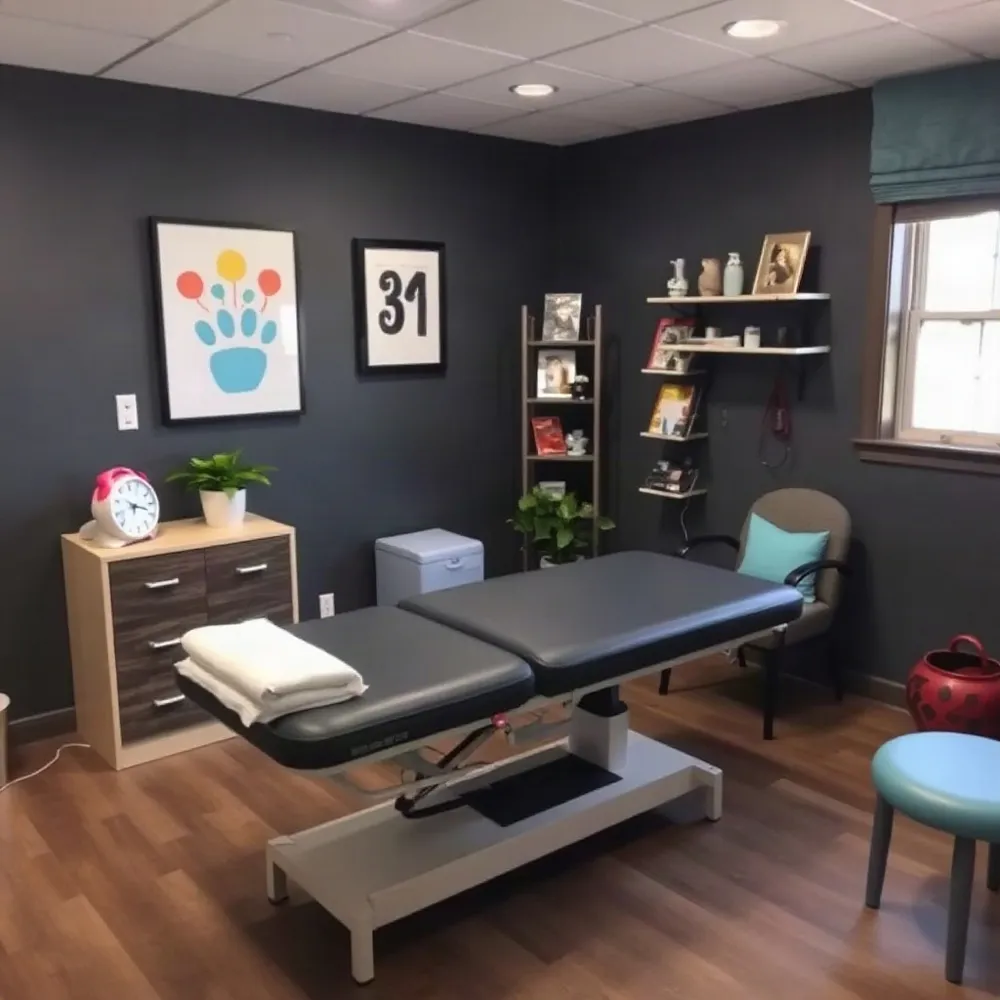
At Osborne Chiropractic Clinic, care includes hands-on options such as Gonstead and Diversified adjustments, with education and personal attention in comfortable adjusting rooms. You can ask questions and take part in deciding what makes sense for you, rather than feeling expected to follow a fixed routine.
A thoughtful plan starts with an assessment, then sets realistic goals and explains what to expect. Individualized care plans and transparent payment discussions can help patients weigh practical choices before agreeing to care. The sections ahead look at assessment, expectations, progress reviews, everyday habits, and making costs manageable.
Begin With an Individual Assessment
 A useful care plan begins with a conversation, not a preset visit schedule. At Osborne Chiropractic Clinic in Raleigh, patients can discuss symptoms, health history, past injuries, daily activities, and what they hope to do more comfortably. The clinician can then assess movement and areas of discomfort and explain what the findings may mean.
Imaging, including X-rays, may be considered when clinically indicated, but it is not automatically needed at every appointment. Before care begins, ask why a test or treatment is being proposed, what it may show, and what options are available. Osborne Chiropractic Clinic offers adjustments, acupuncture, and spinal decompression, with the appropriate approach depending on the individual assessment.
Chiropractic care may help some people manage low back pain, neck pain, or discomfort in joints such as the shoulders or hips. It may also be considered for some cases of sciatica, when pain travels from the lower back down the leg. Because similar symptoms can have different causes, hands-on care is not right for every person or condition. A plan should be reviewed as symptoms, response, and goals change, rather than following one schedule for everyone. Guidance on individualized care and clear expectations is also discussed in The American Chiropractor’s article on sustainable chiropractic practice.
Spinal stenosis means the spinal canal has narrowed. Chiropractic care may help some people manage related discomfort, but it does not widen the canal or reverse the condition. Suitability depends on symptoms, the cause, and overall health. A chiropractor may coordinate with other providers when that is appropriate.
Seek prompt medical attention for new or worsening weakness or numbness, or difficulty controlling bladder or bowel function. Severe or worsening symptoms also warrant timely medical advice.
Set Clear Goals and Expectations
A clear care plan should explain what it aims to improve, how often visits may be recommended, and when we'll review your progress. Your visit frequency and timeline should fit your health history, symptoms, how you respond to care, and your goals—not a one-size-fits-all schedule. At Osborne Chiropractic Clinic, an assessment can help us clarify whether chiropractic care is right for you and how we'll discuss your progress.
Is chiropractic care backed by research, and what can you reasonably expect? The answer depends on your condition and the treatment used. For some low back and neck pain, chiropractic adjustments are one option that research has explored. Some people experience modest pain relief or improved function, but results aren't guaranteed, and chiropractic care isn't a cure for every condition. The [American College of Physicians’ guidance on low back pain](https://www.acpjournals.org/doi/10.7326/M16-2367) includes chiropractic care as a drug-free option for some patients.
You might notice that an adjustment feels relieving, but does that mean the problem is fixed? It may temporarily ease discomfort or make movement feel easier, but one appointment can't tell us if the problem is resolved. Pay attention to changes over time in your pain, mobility, and daily activities, and discuss those changes with your chiropractor. If progress is limited or your symptoms change, review your plan and ask whether another approach or a referral might be appropriate.
What are the potential benefits and risks of chiropractic adjustments? Some people notice little benefit, while others feel less discomfort or move more easily. You might experience temporary soreness, stiffness, or headache. Serious complications are rare but possible, and the risk depends on your health and the technique used. Before starting care, share your health history, medications, and concerns. Ask about alternatives, including gentler options when appropriate, and discuss the benefits and risks of each.
Choose Options Through Open Discussion
 At an appointment, expect to discuss your symptoms, health history, past injuries, and goals. The chiropractor may assess your posture, movement, and areas of discomfort, explaining each step. X-rays may be recommended when the assessment indicates they are needed, but they are not part of every visit. Before treatment begins, you should have a chance to review the findings and ask questions.
If hands-on care is appropriate and you are comfortable proceeding, a traditional adjustment may be one option. At Osborne Chiropractic Clinic in Raleigh, care may use Gonstead or Diversified techniques, selected to fit the person rather than applied as a standard routine.
Other options may also come up in a conversation about your assessment and preferences. Osborne offers acupuncture and the DRX9000 non-surgical disc decompression system, but neither is right for everyone, and results can vary. Education about your condition, suitable exercises, physical therapy, or coordination with another clinician may also be discussed; these are possibilities to explore, not a promise that every option is part of your care.
Before agreeing to a proposed treatment, ask about its expected benefits, limitations, risks, alternatives, and how it relates to your goals. Evidence and risk can differ by condition and approach, so professionals may not always agree. Spinal manipulation is one conservative option for some musculoskeletal problems, including low back pain, but it is not a universal solution or a replacement for other care. The American Chiropractic Association’s research overview describes evidence that varies by condition and treatment, rather than promising the same result for everyone.
You can also ask what evidence supports the recommendation and when another assessment or referral would be appropriate. Open discussion helps you make an informed choice and keeps the plan connected to your needs.
Make the Plan Financially Manageable
Cost is part of whether a care plan can work in everyday life. Pairing a personalized care plan with clear payment choices can make costs more manageable. That can make planned care more affordable, but payment options don't determine which visits are right for your health.
At Osborne Chiropractic Clinic in Raleigh, you can choose to pay per visit, set up predictable monthly installments, or a combination of both. Flexible payment plans are available, but specific prices, terms, and eligibility should be confirmed directly with the clinic. Ask how the proposed arrangement fits your care plan and your budget.
Before agreeing, make sure you understand the total financial commitment, when payments are due, and what the terms require. Raise any concerns about cost or a longer commitment, and ask whether adjustments are possible. A clear conversation should leave room to consider your options, not pressure you into signing.
Payments may be accepted by card or automatic bank withdrawal. Financing may also be offered, but you should verify availability, interest, and other terms before relying on it. The clinic will ensure everything follows legal requirements, and you'll have the chance to review the financial details before making a decision.
Track Progress and Adjust Together
 Track Progress and Adjust Together
Progress is easier to judge when you and your chiropractor agree on practical goals, such as moving more comfortably or returning to a daily activity. Share how pain, mobility, and routine tasks are changing, and pair your feedback with your chiropractor's assessment. Here in Raleigh, at Osborne Chiropractic Clinic, hands-on care and patient education help keep those conversations grounded in your experience.
Improvement may not follow a straight line. A plateau or setback doesn't mean care has failed; it's a reason to check whether your plan still fits your needs. Research on chiropractic care shows that regular reassessment helps create a plan tailored to you, rather than assuming one schedule fits everyone. (Study on chiropractic care)
Tell your chiropractor promptly about new symptoms, concerns, trouble following the plan, or a lack of improvement. Those details can guide a discussion about adjusting the approach or seeking other care when appropriate.
At our clinic, we use feedback from patients like you, along with treatment results and other measures, to make sure our care and payment options are working well. These are tools for us to review our services, not proof that a particular treatment is right for every individual. Scheduling and practice software help us organize appointments, progress notes, and billing, but they never replace talking directly with you about your care.
Build Supportive Habits Between Visits
Small, repeatable habits can support a broader care plan, but they do not replace an assessment or individualized advice from your chiropractor. At Osborne Chiropractic Clinic in Raleigh, hands-on care and patient education can be paired with practical guidance that fits your daily routine. For example, one of our Raleigh patients, Sarah, found that gentle walks around Lake Johnson helped her stay active between visits.
Gentle walking, swimming, or comfortable stretching can help you stay active. If movement feels manageable, build gradually and consider simple core or hip-strengthening exercises. Your chiropractor can offer personalized guidance based on your abilities, pain or discomfort, and health background. If you are unsure what is appropriate, ask your chiropractor for advice.
Long periods in one position can leave you feeling stiff. Take regular breaks from sitting, change positions, and arrange your desk and screen so you are not holding an awkward posture for extended periods. When lifting, keep the load close to your body and bend through your hips and knees rather than reaching and twisting.
Make the routine realistic: choose accessible activities that fit family, work, and other daily demands, then start with manageable steps. There is no single routine for everyone, and it is fine to adjust rather than force a plan that does not suit you. If an activity sharply worsens your pain or brings on new pain or discomfort, stop and seek advice from your chiropractor.
Recognize Trustworthy, Patient Centered Care
When you're looking for lasting pain relief, finding a chiropractor you can trust makes all the difference. A great chiropractor will start by listening to your story, learning about your health history, and understanding what you hope to achieve. Before any treatment begins, you'll get a clear, plain-language explanation of what's recommended, why it might help, and what other options are available so you can feel confident in your decision.
Watch for promises to cure every condition or guarantees of results. Be cautious if someone recommends treatment without an adequate assessment, discourages appropriate medical care, or cannot explain the goals and how progress will be reviewed. Pressure to buy a large prepaid plan or continue repeated visits without clear reasons is another warning sign.
You should feel comfortable asking questions, declining treatment, or revisiting a decision. A responsible plan reflects your individual needs and can change as your symptoms and goals change. One Raleigh patient shared how their care plan was adjusted over several months as their back pain eased, helping them return to their weekend gardening routine without discomfort. At Osborne Chiropractic Clinic, care includes hands-on chiropractic adjustments, alongside education and personalized attention. The clinic also offers services including acupuncture and gentle spinal decompression to relieve pressure, but a clinician should discuss whether any option is suitable for you.
For Raleigh patients, a useful question is: “What would make us reconsider this plan?” The answer should identify practical goals, progress checks, and circumstances that may call for a change or referral for medical evaluation. Clear communication and flexibility help you make an informed choice without pressure.
Keep Care Collaborative and Adaptable
A sustainable care plan should fit your health needs, goals, schedule, and budget. At Osborne Chiropractic Clinic, hands-on care is paired with patient education, so you can ask questions and understand the options being discussed.
If you are in Raleigh, share what feels difficult, what you hope to do more comfortably, and any concerns about cost or visit frequency. A plan should be explained clearly and revisited as your symptoms and response change, not treated as a fixed schedule or a promise of results. Guidance on care plans and transparent payment options likewise emphasizes discussing expectations and financial terms before agreeing.
You can take time to make an informed choice with a qualified healthcare professional. Depending on your needs, a sound plan may include adjustments, other services, a change in approach, or referral for additional care. The goal is a practical next step that respects your preferences and supports your health.