Start With Your Child’s Comfort
Considering hands-on care for your child can raise practical questions: What happens during a visit? How will the clinician respect your child’s comfort? And how can you tell whether care is appropriate? Those are sensible questions, not obstacles to getting help.
For Raleigh families, this guide offers a way to prepare for a thoughtful conversation with a chiropractor and your child’s pediatrician. At Osborne Chiropractic Clinic, pediatric care is part of a broader, hands-on practice that emphasizes education and personalized attention. Parents can ask what an assessment involves, what a proposed approach is intended to address, and what alternatives may be available.
Care for children should not simply repeat adult techniques on a smaller body. A child’s age, size, development, health history, and comfort should shape the assessment and any proposed treatment. The 2024 review of evidence and safety in pediatric chiropractic care notes that evidence for many uses remains limited, so families deserve clear explanations rather than promises.
A visit should leave room for questions and for a child to express how they feel, in a way that suits their age. Parents can share relevant health information and discuss care with the child’s medical provider. Children’s Healthcare of Atlanta’s guidance recommends consulting a pediatrician before pursuing chiropractic care and treating it as an addition to, not a replacement for, medical care.
Chiropractic care is an individual decision, and it is not a guaranteed solution for a symptom or condition. The sections ahead explain what a child’s visit may involve, how to set expectations, and when medical evaluation should come first.
What Pediatric Care May Involve
 A first visit at Osborne Chiropractic Clinic in Raleigh starts with a friendly conversation about your child’s health history, any symptoms or discomfort you’ve noticed, and what you’re hoping to achieve. We’ll ask about things like birth history, sleep, diet, activity, and past injuries — all to get a full picture of your child’s well-being.
Next, we’ll observe how your child stands and moves, check for areas of tightness, and do a gentle evaluation if needed. Our goal is to understand your child’s unique needs, not to assume that every concern requires an adjustment.
If we believe care could help, we’ll create a personalized plan together. We’ll explain what we recommend, why, any possible risks or alternatives, and how we’ll track progress. As your child responds, we’ll adjust the plan as needed.
What can pediatric chiropractic care involve?
Depending on your child and the reason for the visit, care may include gentle, hands-on techniques adapted to their age and comfort level, along with simple exercises or stretches. We might also talk about movement habits or healthy routines. These are possibilities, not a one-size-fits-all package. A 2024 review of chiropractic care in children notes that pediatric approaches generally use lighter force than adult techniques, and that evidence for many uses is still growing.
One Raleigh parent recently told us how their child’s back discomfort improved after a few visits — real results from a personalized approach.
At Osborne Chiropractic Clinic, pediatric care is part of a private, hands-on practice focused on education and personalized attention. You’re always welcome to ask what a technique involves, why we’re considering it, and what signs would lead us to change the plan.
X-rays are not automatically needed for a child’s visit. If we do recommend them, it’s only for a clear reason, such as a recent injury or concern about a serious health issue, and we’ll discuss that with you first. The Children’s Healthcare of Atlanta guidance on chiropractors for kids suggests involving your child’s pediatrician, especially if pain or stiffness needs evaluation.
Chiropractic visits should complement, not replace, regular pediatric care. If our assessment suggests that medical evaluation or another treatment is needed, we’ll refer you to your child’s pediatrician or a specialist.
Make the Visit Feel Predictable
 A little preparation can help your child know what to expect and help the provider understand your concerns. Bring relevant health information or records, and jot down what you have noticed, when it happens, and what you hope to ask. Comfortable clothing that allows your child to move freely can also make an assessment easier.
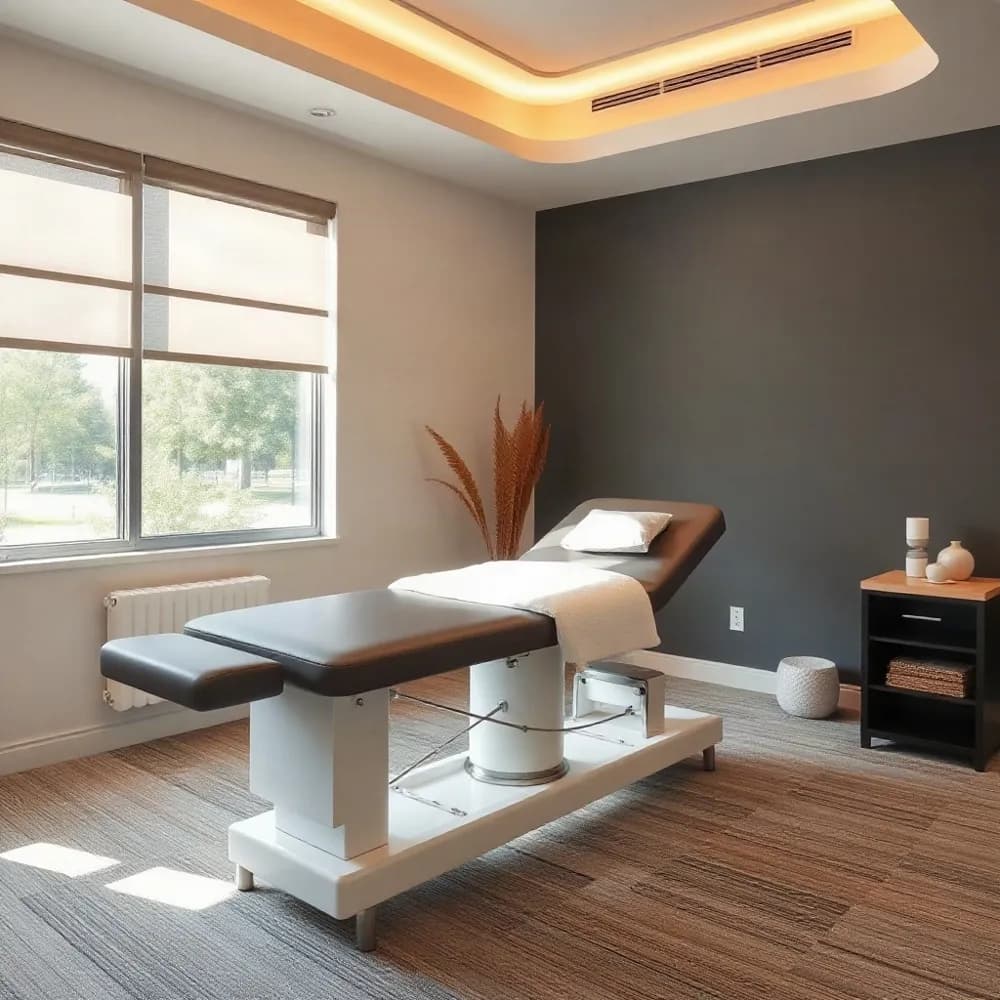
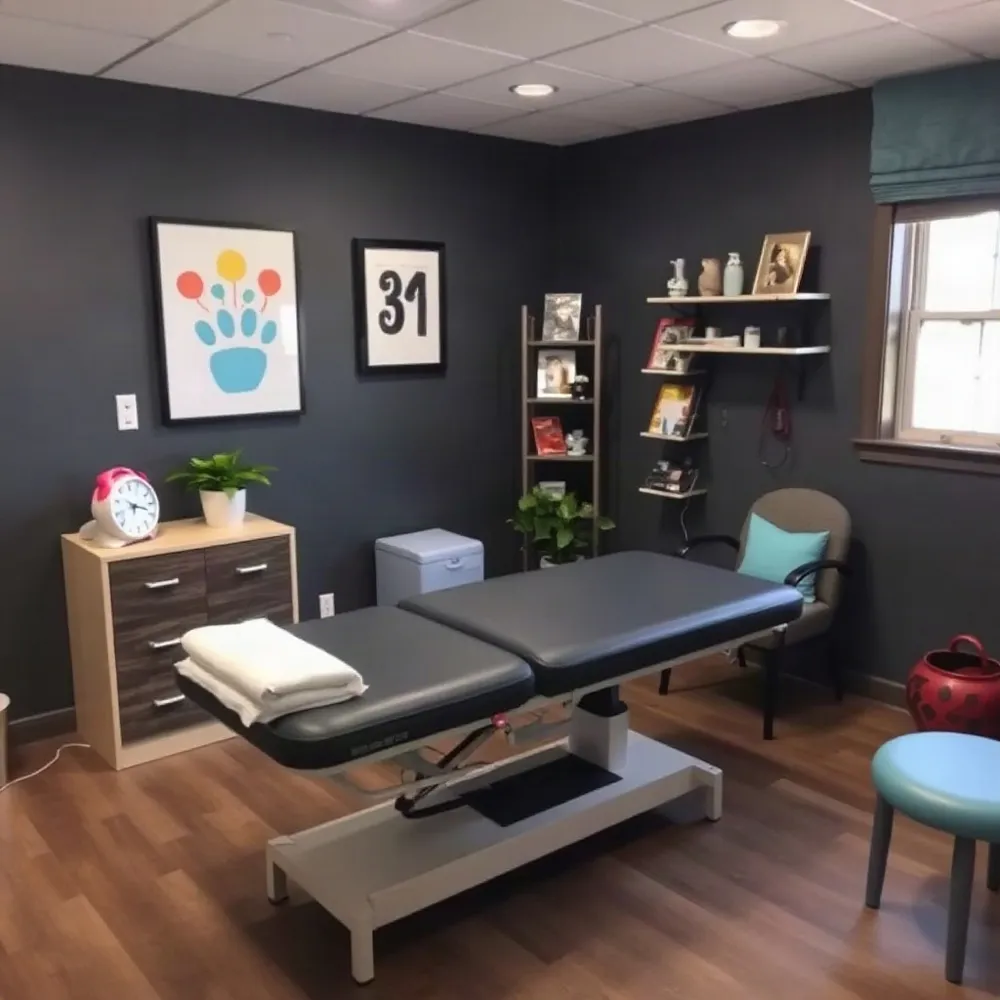
At Osborne Chiropractic Clinic in Raleigh, visits take place in private, comfortable adjusting rooms, with an education-focused approach. Before care begins, ask the chiropractor to explain what the examination involves and what any proposed technique would feel like. You can ask whether hands or equipment may be used and what level of pressure is planned. A clear answer gives you a chance to decide whether you are comfortable proceeding.
The provider should explain each step in plain language suited to your child’s age, invite them to participate as they are able, and answer questions without rushing. Parents or legal guardians should receive enough information about the proposed care, possible benefits, risks, and alternatives to give informed consent. A review of evidence and safety in pediatric chiropractic care identifies informed consent as an essential part of decision-making.
Children may react differently to an unfamiliar examination or hands-on care. Let the provider know if your child seems uneasy, asks to pause, or does not want to continue. You can ask for another explanation or take time to discuss whether to proceed. The child’s comfort and preferences matter, and one child’s experience should not be treated as a guide to another’s.
Osborne Chiropractic Clinic’s personalized, hands-on approach supports an open conversation, but no particular technique or treatment plan should be assumed before an assessment. If you want to understand how the first appointment may unfold, the clinic’s guide to a child’s first chiropractic visit offers additional preparation.
Choose Care With Clear Expectations
 Before deciding on care, check that the chiropractor is licensed and has experience working with children. Ask what pediatric training they have and how they adapt examinations and techniques to a child’s age, size, and comfort. At Osborne Chiropractic Clinic in Raleigh, pediatric visits are part of a broader, hands-on practice that emphasizes education and personalized attention.
A useful conversation should cover your child’s specific concern, what the proposed care is intended to address, and what other options may be appropriate. Ask about possible risks and benefits, how progress will be assessed, and what would lead the clinician to change or stop the plan. A recent review emphasizes that parents should receive clear information about risks, potential benefits, alternatives, and the limits of available evidence before giving consent (review of evidence and safety).
There is no single visit schedule that suits every child. The clinician should recommend a plan only after assessment, explain why it may fit your child’s needs, and revisit it as your child responds. If there is no meaningful improvement, symptoms change, or new concerns arise, ask whether the plan should be adjusted or whether another evaluation is needed.
Share relevant details before care begins, including existing health conditions, medicines, recent injuries, and any new or worsening symptoms. Tell the chiropractor what your family hopes to achieve, and let your child’s pediatrician know about complementary care. Children’s Healthcare of Atlanta advises discussing chiropractic with a child’s pediatrician, who can consider the child’s health history and whether further evaluation is appropriate (guidance for parents). Osborne’s education-focused approach supports making these questions part of an open conversation, not a reason to feel pressured.
A responsible provider should pause, recommend medical assessment, or coordinate with another professional when a concern falls outside chiropractic care. Clear expectations include knowing who to contact if symptoms change and understanding that chiropractic care does not replace needed pediatric or specialist treatment.
Understand What Research Can Support
You might be wondering what the research actually says about chiropractic care for kids. The honest answer is that the science is still catching up. A 2024 review in Clinical Pediatrics looked at the available studies and found that many have limitations, so they can't give us firm answers for every reason a family might seek care. That review is a great starting point for a conversation with your chiropractor, but it's not a promise of results for your specific child.
One study from 2017 found that about 3.4% of kids in the U.S. had seen a chiropractor, with teens going more often than younger children. This tells us that families are exploring this option, but it doesn't tell us if it worked for them. Every child is different.
For headaches and back pain, the research is still early. Take Sarah, a Raleigh mom who brought her 8-year-old in for headaches. She was curious about the research and wanted to know if chiropractic could help. We talked through the studies, set realistic expectations, and worked with her pediatrician. Her son reported fewer headache days, which was a win for their family, even though the science is still evolving. Stories like Sarah's remind us that every family's journey is unique.
What about other concerns like ADHD, colic, or ear infections? The review found the evidence is mixed or just not there yet for these issues. This doesn't mean it can't help, but it means we should be honest about what the science currently supports.
For Raleigh families, this means it's smart to ask questions. At Osborne Chiropractic Clinic, we encourage parents to come in with their questions and concerns. We can talk through what a specific approach is meant to address and what the evidence says. And please, keep your child's pediatrician in the loop, especially if symptoms are ongoing or your child has a diagnosis.
It's also important to know that chiropractic care isn't a standard treatment for things like ADHD, asthma, or ear infections. It's best seen as a complement to, not a replacement for, your child's regular medical care. The Children's Healthcare of Atlanta recommends talking with your child's pediatrician or a specialist, who knows your child's history best.
Before you decide, ask your chiropractor to explain the goal of care, the technique they're considering, any possible risks, alternatives, and how you'll track progress. Share your child's medical history and coordinate with their healthcare team. A clear, open conversation helps you make the best choice for your family, without treating uncertain research as a promise of results.
Discuss Safety Before Any Treatment
We know that as a parent in Raleigh, you want the best for your child, and it's natural to wonder, "Is chiropractic care safe for my little one?" That's a great question, and we're here to help you find the answer that feels right for your family.
Every child is different, so safety depends on your child's age, overall health, and the specific approach we might use. Research in this area is still growing, so we always recommend having a chat with your child's pediatrician and one of our chiropractors before moving forward. We're happy to be part of that conversation.
A recent review from 2024 found that the techniques used for children are typically gentle and low-force. While that's reassuring, it's not a one-size-fits-all guarantee. The review notes that serious problems are rare, but it also highlights that every child is unique and there are still gaps in what we know. You can read the 2024 review of chiropractic care in children for more details on both the benefits and the limitations of the current evidence.
Before you agree to any care, we encourage you to ask your chiropractor to walk you through the proposed technique, explain why it might be a good fit for your child, and discuss any alternatives. Informed consent is all about having an open, pressure-free conversation where we talk through the possible benefits, risks, and what the evidence says. You're also welcome to ask about our pediatric training and how your child's health history or any symptoms might affect the plan.
At Osborne Chiropractic Clinic in Raleigh, we focus on education and personalized, hands-on care. Many families in our community have told us that taking the time to ask questions and understand the process helps them feel confident and comfortable with their decision. We invite you to use that conversation to share any concerns and decide together what feels right for your child.
It's also helpful to share any relevant health information—like diagnoses, medications, past injuries, or ongoing treatments—with both your chiropractor and your child's medical team. The Children's Healthcare of Atlanta guidance for parents suggests talking with your pediatrician before starting chiropractic care, especially if your child has pain or stiffness that hasn't been diagnosed yet. Working together helps everyone see the full picture, rather than focusing on just one symptom.
If your child has symptoms that could point to a more serious issue, it's important to get a medical evaluation first. Chiropractic care is a complement, not a replacement, for medical diagnosis or treatment. If symptoms are new, severe, or getting worse, please contact your pediatrician right away—and if it seems urgent, don't hesitate to seek emergency care. Part of being a responsible parent is knowing when a medical exam should come first.
Know When Medical Evaluation Comes First
Some symptoms call for medical assessment before a chiropractic visit. For children, severe or rapidly worsening pain, new or significant weakness or numbness, or pain after a serious injury such as a car crash or hard fall should be checked by an appropriate medical professional. Children’s Healthcare of Atlanta advises families to consult a pediatrician about a child’s symptoms and treatment options, rather than relying on chiropractic care alone (guidance for parents on chiropractors for kids.
Seek urgent medical care for loss of bladder or bowel control, numbness around the groin, chest pain, trouble breathing, or fever. A new or unusually severe headache, especially after a head or neck injury, also needs prompt assessment. If symptoms suggest an emergency, do not wait for a chiropractic appointment.
This is not a complete checklist, and a child may need medical attention even when symptoms are not listed here. When you are worried about a major change in your child’s condition or signs of serious illness or injury, contact a pediatrician, urgent care service, or emergency department as appropriate.
Before any visit, tell the chiropractor about your child’s symptoms, medical history, medications, and recent injuries. At Osborne Chiropractic Clinic in Raleigh, care is hands-on and personalized, so sharing these details helps the clinician understand your concerns before considering an approach. A responsible clinician should pause and refer your child for medical evaluation when findings may require care beyond chiropractic treatment.
If you are unsure where to start, call your child’s medical provider and describe what you are seeing. You can also let the chiropractic office know about the concern, but urgent symptoms belong with medical professionals first. Keeping your child’s healthcare providers informed supports clearer decisions and helps ensure that a chiropractic visit does not delay needed assessment.
Respond Thoughtfully to Possible Side Effects
What side effects can occur after a chiropractic adjustment, and when should someone seek care?
It's common to feel a little sore, stiff, or tired after an adjustment, and some people even get a mild headache. Every child is different, so it's hard to predict exactly how yours will feel. While serious reactions are rare, it's always a good idea to pay attention to how your child is doing after care.
One Raleigh mom told us her son felt a bit sore after his first adjustment, but after a good night's sleep, he was back to his usual self. If your child feels uncomfortable, let the clinician know—especially if the discomfort gets worse, feels different from the original symptoms, or doesn't go away. At Osborne Chiropractic Clinic, we tailor our care to each child, so sharing what you're seeing helps us understand your concerns and plan the best next steps.
If your child develops new or worsening tingling, numbness, or weakness, contact a healthcare professional right away. And if you notice sudden severe pain or headache, trouble speaking, vision changes, fainting, loss of coordination, or loss of bladder or bowel control, seek emergency medical care immediately. These signs need urgent attention.
If you're ever unsure whether a change needs attention, call your child's healthcare provider and describe what happened, when it started, and whether it's changing. Raleigh families can also reach out to us at Osborne Chiropractic Clinic before the next visit—we're happy to talk through any symptoms or concerns.
Let Questions Guide the Decision
For Raleigh parents, a comfortable decision starts with clear answers, not pressure. Ask what an examination or treatment would involve, how the approach will be adapted to your child’s age and comfort, and what signs would lead the chiropractor to pause or refer you elsewhere.
Before arranging care, talk with your child’s pediatrician, who can consider their health history and help identify whether medical evaluation should come first. The Children’s Healthcare of Atlanta guidance for parents recommends discussing chiropractic with a child’s doctor and treating it as an addition to, not a replacement for, pediatric care.
Ask a qualified chiropractor about pediatric experience, the proposed techniques, possible risks, reasonable alternatives, and what evidence supports the plan. At Osborne Chiropractic Clinic, care is hands-on and personalized, so parents can raise concerns and discuss whether a proposed approach suits their child before proceeding.
Research does not establish that chiropractic care is effective or appropriate for every childhood concern. A recent review of evidence and safety in children describes important evidence limits and stresses informed decisions. Chiropractic care should not replace medical evaluation or established treatment. When you understand the proposal, its limits, and how care will be coordinated, you can decide whether to proceed, wait, or choose another option.