Understanding the Treatment
What does spinal decompression involve, and could it be appropriate for your back or neck pain? The answer depends on what is causing your symptoms. The term covers different approaches intended to reduce pressure on spinal nerves, including nonsurgical therapies and surgery, so it helps to clarify which treatment is being discussed.
Nonsurgical, table-based decompression uses traction to stretch and relax the spine. It is different from surgery, which relieves pressure by removing bone or disc material. Cleveland Clinic’s overview of spinal decompression describes several nonsurgical options and emphasizes that care depends on the person’s condition.
For Raleigh patients, an assessment is a sensible first step. At Osborne Chiropractic Clinic, care includes spinal decompression with a DRX9000 system, alongside services such as chiropractic adjustments and acupuncture. A provider can discuss whether decompression fits your needs and what alternatives may be appropriate. Results vary, and treatment is not a guarantee of relief.
What Nonsurgical Decompression Means
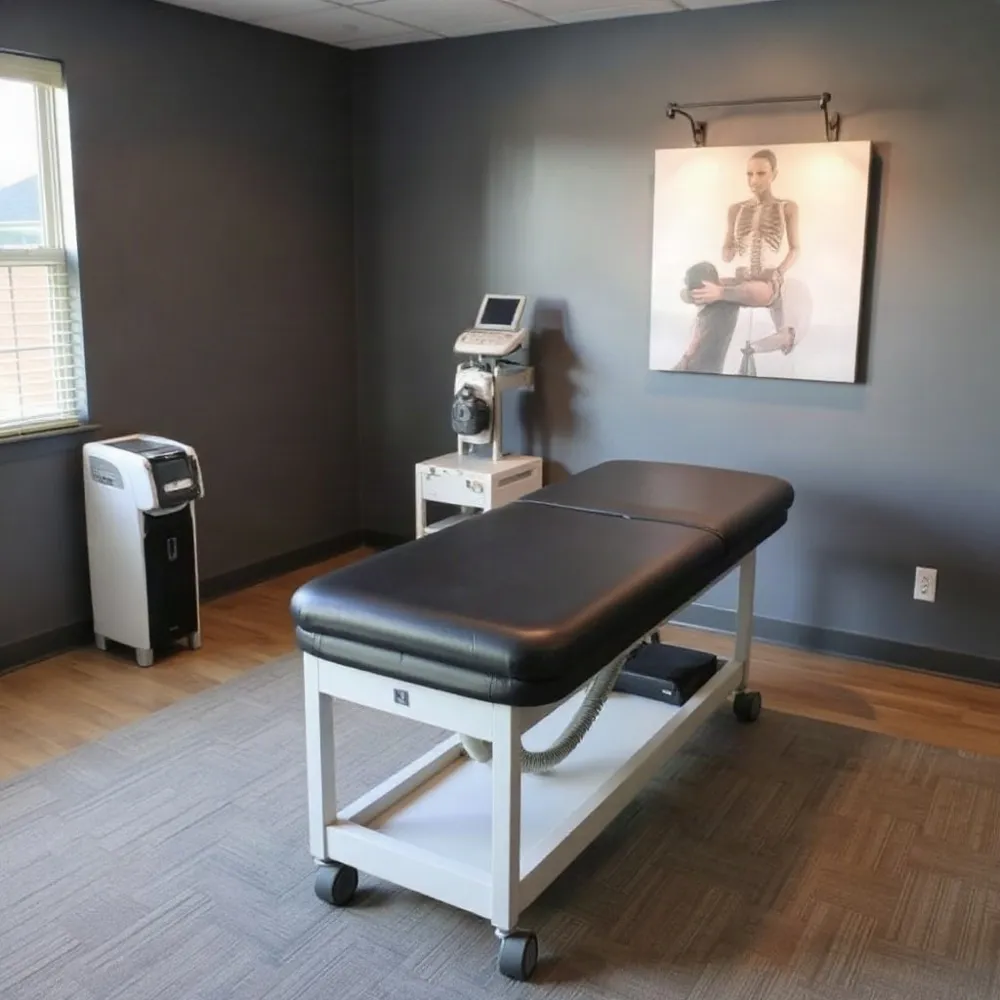
Nonsurgical spinal decompression is a gentle, motorized traction technique. You lie fully clothed on a special table while a harness supports cycles of stretching and relaxation. This approach aims to relieve pressure on spinal discs and nerves, which may help ease pain for some people. It's important to remember that this is a treatment goal, not a guarantee of relief or disc repair.
Spinal decompression can take different forms. For example, the Cleveland Clinic’s overview of spinal decompression includes both nonsurgical options like traction and chiropractic care, as well as surgical procedures. The motorized table treatment we're discussing is non-surgical—it doesn't involve removing bone or disc material.
Your chiropractor may recommend nonsurgical decompression if you have back or neck pain, disc issues, or sciatica. However, similar symptoms can have different causes, so a thorough assessment of your health history is key to determining if this approach is right for you.
Right here in Raleigh, Osborne Chiropractic Clinic offers the DRX9000 as part of their chiropractic services. For specific details about treatment settings and appointment sequences, it's best to discuss directly with the chiropractor. This treatment is one of many options that can be considered alongside other appropriate care.
Many of our patients have found relief through this gentle approach. For example, one Raleigh resident shared how decompression helped them return to their favorite activities without pain.
Assessment Before Treatment
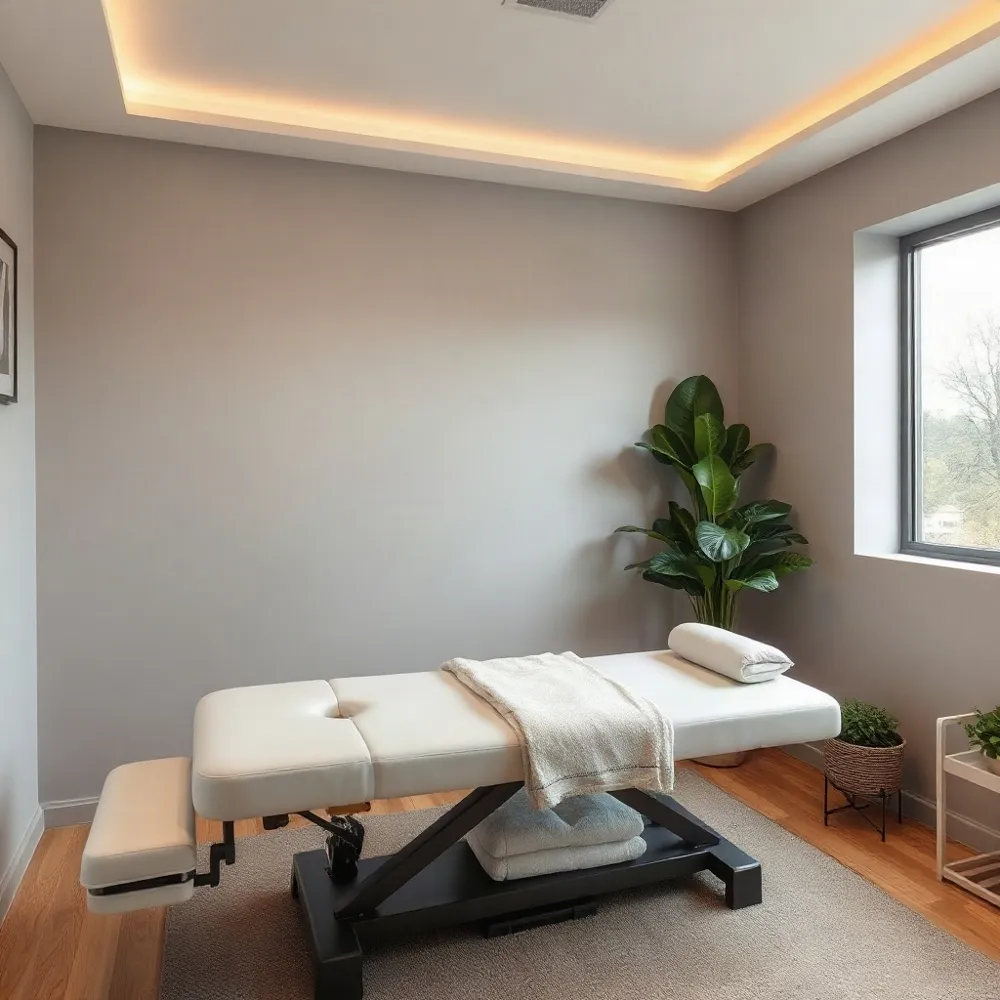 Before we consider spinal decompression for you, we want to understand where your pain is, how it affects your daily activities, and what your health history might mean for your care. Similar symptoms can have different causes, so an assessment helps us determine whether decompression is a reasonable option or whether another approach might fit better.
That assessment doesn't always mean you need a scan. Depending on your symptoms and our examination, we may consider imaging like X-rays or an MRI to get a clearer picture of what's causing your pain. At Osborne Chiropractic Clinic in Raleigh, we focus on education and personalized attention, and the DRX9000 system is one tool we use in our spinal decompression service.
Your recommendations will be based on the likely cause and severity of your symptoms, your overall health, and how you respond to care. Other options we might discuss include physical therapy, acupuncture, or gentle traction. If you have a spinal fracture or significant bone density loss, decompression might not be suitable, or we may need clearance from your doctor first.
You don't need to decide on treatment by matching your symptoms to a list online. Ask us what the assessment suggests, whether imaging or another evaluation is warranted, and what alternatives make sense for your situation. Those questions can help you weigh the options before agreeing to a plan.
Many of our Raleigh patients have found relief through spinal decompression. For example, one patient shared how the assessment process helped them understand their pain and choose the right path forward.
Possible Benefits and Evidence
 Possible Benefits and Evidence
Some people may have less pain or find everyday activities easier after non-surgical back pain treatment. That possibility is not a guarantee—results depend on the cause of the pain, a person’s health, and how they respond. This type of treatment is a broad term for different approaches, and outcomes can vary, as Cleveland Clinic explains.
Does non-surgical treatment work for back pain? It may help some people, especially when symptoms relate to a disc problem, but it does not work for everyone. Many of our patients in Raleigh have found relief through our DRX9000 system, and our chiropractor will take the time to understand your symptoms and discuss whether it may be a good fit for you, along with possible benefits, limits, costs, and other care options.
When looking at the evidence, it's important to be realistic. A 2007 review found that the research available at that time was limited and not very strong. This is a historical review, not a current, comprehensive assessment of the evidence. It does not establish a guaranteed success rate, prove that treatment repairs discs, or show that it prevents surgery.
How long do the effects last? There is no set timeline that applies to everyone. Relief may be brief, last longer, or not occur, and lasting improvement cannot be guaranteed. The cause and severity of symptoms, overall health, and daily activities may all affect how a person feels over time.
Ask how progress will be reviewed and what would prompt a change in the plan. At Osborne Chiropractic Clinic, our chiropractor can discuss realistic expectations and whether follow-up care or another approach may be appropriate if you are not improving. A clear conversation helps you weigh potential relief against uncertainty before choosing care.
Visits, Progress, and Planning
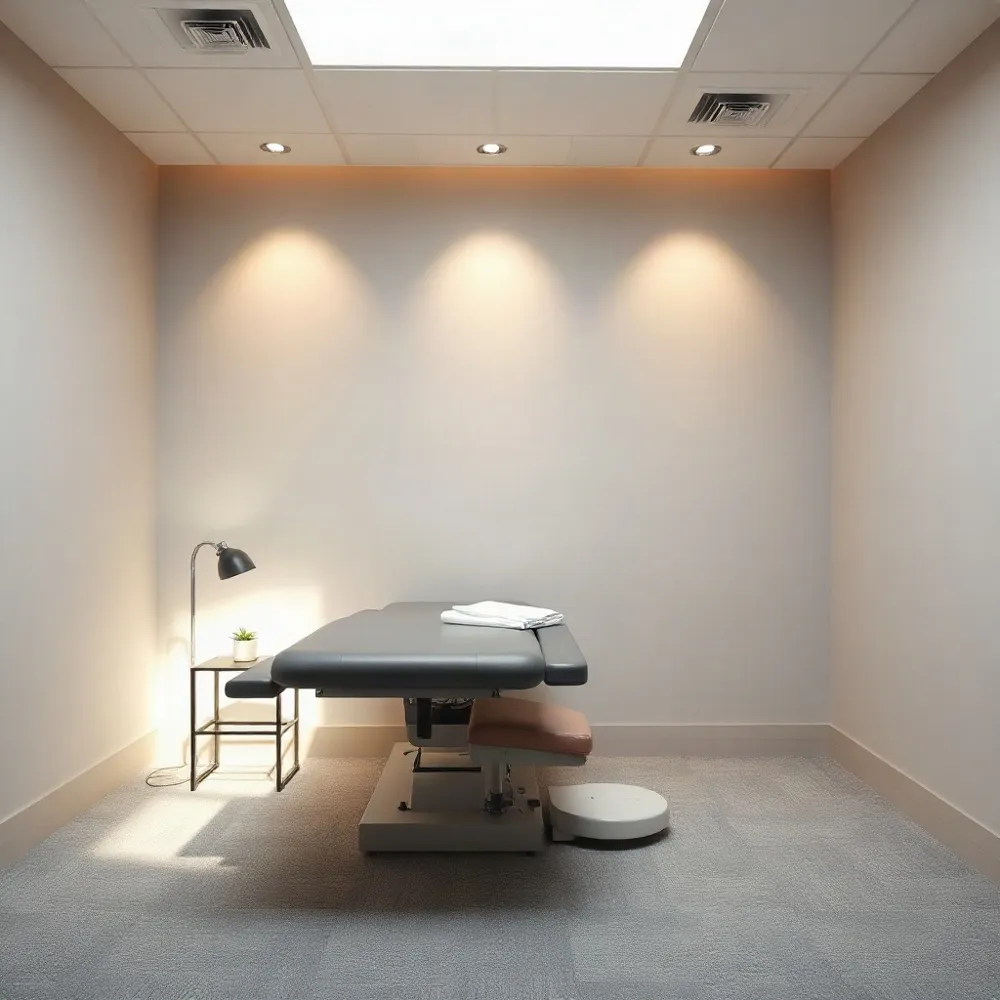 Wondering how many visits you'll need for spinal decompression therapy? It's a common question, and the answer depends on your unique symptoms and how your body responds. At Osborne Chiropractic Clinic, we don't believe in a one-size-fits-all schedule. Instead, your chiropractor will work with you to create a personalized plan that fits your needs.
Every person's journey is different. One Raleigh patient noticed improvement after just a few sessions, while another needed several weeks of consistent care before feeling significant relief. There's no guaranteed timeline, and that's okay—your chiropractor will monitor your progress and adjust the plan as needed.
At Osborne Chiropractic Clinic, we offer spinal decompression therapy using the [DRX9000 non-surgical disc decompression system](https://www.osbornechiropractic.com/blog/how-spinal-decompression-therapy-relieves-chronic-back-pain). Your chiropractor will discuss what to expect based on your individual case and how your symptoms respond over time.
Before you begin, sit down with your chiropractor to discuss what a typical course of care looks like, how often you'll come in, and how we'll track your progress. You can also ask what signs might indicate it's time to adjust or stop the plan, and what alternatives are available if your symptoms aren't improving as expected.
For Raleigh families, a clear plan should reflect your condition and your response, not a preset number of visits. Osborne Chiropractic Clinic's focus on education and personalized attention means you'll always understand the reasoning behind your care recommendations and feel comfortable raising concerns as you progress.
We're here to support you every step of the way.
Risks, Limits, and Cost Questions
Risks, Limits, and Cost Questions
We understand that considering any treatment comes with questions about risks and costs. Here's what you should know to make an informed choice for your family's health.
Non-surgical spinal decompression can be a helpful option for some people, but it's important to know that it's not risk-free and results aren't guaranteed. Research hasn't clearly shown that it works better than other options for many patients. Before starting, a clinician should review your symptoms and health history, since conditions like a spinal fracture or severe osteoporosis may make treatment unsuitable or require medical clearance.
Some people may experience short-term soreness, muscle tightness, fatigue, or increased pain, and symptoms can persist or worsen. These effects don't happen to everyone, and there's no fixed timeline for them to ease. If your pain increases or doesn't settle, please let your clinician know. In a 2007 review, researchers described one case where a spinal disc problem worsened during treatment. It's important to remember that a single case doesn't tell us how often this happens, and that review is based on evidence from that time, not the latest research. The 2007 review of nonsurgical spinal decompression also noted that the evidence it examined was limited.
One of our patients, a Raleigh parent, found relief after a few sessions but also experienced some temporary soreness. They appreciated knowing what to expect beforehand, which helped them prepare.
Repeated visits take time and may add cost, so we encourage you to ask about your personal risks, alternatives, expected benefits, and the full time and cost commitment before starting. At Osborne Chiropractic Clinic in Raleigh, we offer the DRX9000 as one option. While we don't list pricing here, please contact us for a clear estimate of the recommended number of visits and total plan cost, and ask about flexible payment options.
If you experience new or worsening weakness, numbness in the groin area, or loss of bladder or bowel control, please seek urgent medical attention rather than routine treatment. For other concerns about ongoing or worsening back pain, discuss next steps with your healthcare provider. Cleveland Clinic's guidance on spinal decompression offers helpful information for discussing treatment choices and seeking care when symptoms don't improve.
Surgery Is a Different Treatment
At Osborne Chiropractic Clinic, we offer a gentle, non-surgical approach to spinal relief using our specialized DRX9000 table. This treatment is not surgery—it doesn't involve any cuts or removal of tissue. Instead, it gently stretches your spine to relieve pressure on nerves.
In contrast, spinal decompression surgery is a procedure that may remove disc material or bone pressing on nerves. Some surgeries also include spinal fusion to stabilize the spine.
Most doctors start with less invasive options and may talk about surgery if other treatments haven't worked. Whether surgery is right for you depends on your specific condition, health history, and how your pain affects your daily life. A step-by-step approach to spinal care often includes non-surgical treatments before surgery is considered.
Recovery from surgery is very different from recovery after a session on our table. After surgery, you might have activity limits, need physical therapy, and take weeks or months off work. Your job's physical demands also play a role. Be sure to ask your surgeon what to expect for your specific procedure, including recovery time and any restrictions.
Remember, the risks and recovery from surgery don't apply to our non-surgical clinic sessions. Many Raleigh families have found relief with our gentle approach—no downtime, just a comfortable visit to our clinic.
Make an Informed Care Choice
If back or neck pain is affecting your daily life, talk with a healthcare professional about your symptoms, health history, treatment options, costs, and what a realistic outcome might look like. Spinal decompression is one possible approach, but it is not suitable for everyone, and relief is not guaranteed. The right plan depends on the cause of your symptoms and your individual circumstances, as Cleveland Clinic’s overview of spinal decompression explains.
For Raleigh patients, Osborne Chiropractic Clinic offers an assessment and uses the DRX9000 non-surgical disc decompression system. Contact the clinic to ask whether an evaluation may be appropriate for you, what the process involves, and which alternatives or costs to consider. An assessment can help clarify your options without assuming that decompression is the right fit.