
Your Spine, Your Foundation
Your spine is the body's central support structure, balancing your neck, chest, lower back, and pelvis to keep your head, trunk, and legs in alignment. It also protects your spinal cord — the main conduit for nerve signals that control movement, sensation, and daily function. When your spine is healthy, everyday tasks feel easier; when it isn't, pain or stiffness can ripple into headaches, poor sleep, low energy, and missed activities.
Small, steady habits — like daily movement, proper posture, and smart sleep setups — can build strength and reduce flare-ups over time. The team at Osborne Chiropractic Clinic in Raleigh emphasizes this approach, combining hands-on care with education so families can adopt lifestyle adjustments that support long-term spinal health.
Simple changes, such as taking short walking breaks during the day or adjusting your workstation to keep screens at eye level, help prevent the stiffness and strain that often lead to chronic back pain. Even a few minutes of gentle stretching in the morning or a quick walk after dinner can improve circulation, relieve tension from prolonged sitting, and promote spinal well-being.
Mastering Posture for a Pain-Free Day
 Good posture starts with awareness. When your spine is healthy, it forms a gentle S-curve from the side, allowing you to stand tall and move without pain. Poor posture—slouching, rounding the shoulders, or jutting the head forward—forces some muscles to overwork while others barely engage, leading to fatigue, stiffness, and eventual discomfort.
Signs of Good vs. Poor Posture
A healthy spine supports easy movement: you can twist, bend, and reach without sharp pain or stiffness. In contrast, an unhealthy spine often shows signs like a forward head, rounded shoulders, chronic back or neck pain, and limited range of motion. If you experience persistent discomfort, a chiropractic evaluation can reveal underlying issues such as misalignments or disc thinning.
The Neutral Spine: Sitting and Standing
The foundation of good posture is a neutral spine—where your head, shoulders, and hips stack vertically in alignment. When sitting, keep your feet flat on the floor, knees at or below hip level, and use a chair with lumbar support to maintain the lower back's natural arch. While standing, distribute weight evenly on both feet, engage your core gently, and relax your shoulders.
Four key steps can help you find this position: align your joints (shoulders, hips, knees, and ankles stacked), engage your core muscles, relax your shoulders away from your ears, and align your head and neck so your ears are over your shoulders.
How Slouching Affects Your Spine
Slouching compresses the intervertebral discs in your lower back and overstretches spinal ligaments. Over time, this can contribute to disc degeneration and nerve compression, which may lead to conditions like sciatica. Poor posture also affects blood pressure by straining neck vessels and reduces lung capacity by compressing the chest cavity.
Prolonged sitting with poor posture can disrupt spinal alignment and increase pressure on discs. According to the UC Health, small, steady habits like moving daily and stretching can build strength and reduce flare-ups over time. Taking movement breaks every 30 minutes relieves pressure on the spine and improves circulation.
Posture's Role in Preventing Chronic Conditions
Maintaining proper posture throughout the day helps preserve the spine's natural curves and prevents imbalances that can lead to conditions such as kyphosis (excessive rounding of the upper back) and scoliosis (sideways curvature). It also reduces the risk of chronic back pain by distributing weight evenly across the vertebrae and minimizing strain on muscles and ligaments.
At Osborne Chiropractic Clinic in Raleigh, patients receive a personalized posture assessment and hands-on adjustments using techniques like Gonstead and Diversified methods. Whether you're a desk worker, athlete, or recovering from an injury, addressing posture early can prevent more serious problems down the road.
Ergonomic Essentials for Desk Workers
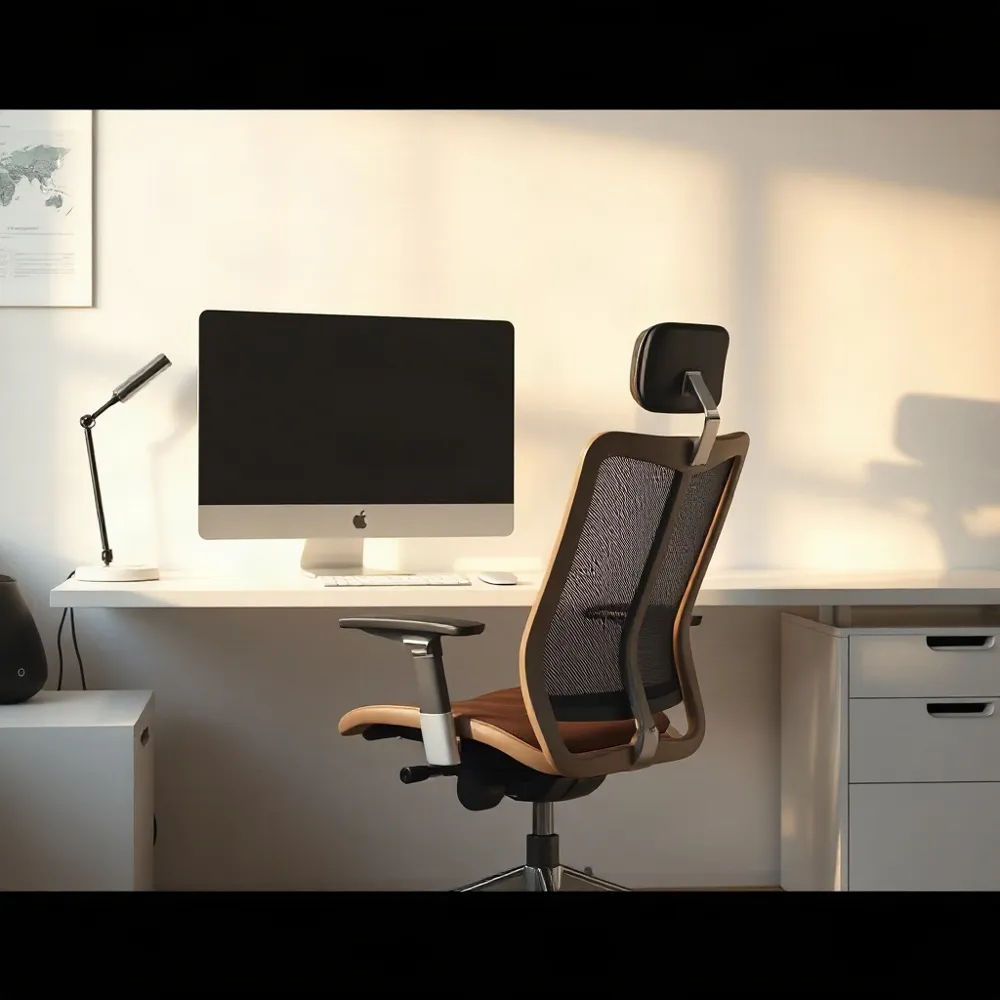 Hours of desk work can quietly take a toll on your spine. Slouching, a screen that's too low, or a chair that doesn't support your back can lead to neck and shoulder tension, lower back pain, and even headaches. The good news is that small, intentional changes to your workspace can make a lasting difference.
Set Up Your Workstation for Success
Start with your chair. A quality ergonomic chair with adjustable lumbar support helps maintain the natural curve of your lower back. Next, position your monitor at eye level so you're looking straight ahead, not down. Your feet should rest flat on the floor, with your knees at or slightly below hip level.
A simple way to remember good sitting posture is the 90-90-90 rule: keep your elbows bent at 90 degrees, your hips at 90 degrees with thighs parallel to the floor, and your knees at 90 degrees with feet flat. This alignment minimizes strain on your back, neck, and shoulders. If your feet don't reach the floor, a footrest can help.
Move Regularly to Prevent Stiffness
Even the best setup won't protect your spine if you never leave your chair. Extended sitting compresses spinal discs and can stiffen muscles. The 20-8-2 rule offers a practical rhythm: after 20 minutes of sitting, stand for 8 minutes, and within those 8 minutes, move for at least 2 minutes. A short walk, gentle stretches, or a few shoulder rolls keep blood flowing and reduce pressure on your lower back.
Alternatives like a standing desk or an ergonomic chair can support better posture throughout the day. For remote workers, it's especially important to avoid makeshift setups on couches or beds—designate a consistent workspace with proper support.
If you're already dealing with upper back or lower back pain from desk work, a chiropractor can assess your posture and provide adjustments to release tension. At Osborne Chiropractic Clinic, we help Raleigh families build healthier work habits and address discomfort before it becomes chronic.
Movement: The Spine’s Best Friend
 The evidence is clear: prolonged sitting and a sedentary lifestyle are among the greatest threats to spinal health. More than 80% of U.S. jobs are now predominantly sedentary, and roughly 25% of Americans are physically inactive outside of work. When you sit for hours, the discs in your lower back compress, muscles stiffen, and circulation slows, setting the stage for chronic pain.
The worst thing you can do for back pain is to stay sedentary — lying in bed or sitting for extended periods without movement. Inactivity weakens the muscles that support your spine and can prolong recovery. The best remedy is to stay gently active. Even small, consistent movements make a measurable difference.
Low-impact activities are especially beneficial. Regular walking, swimming, or cycling helps maintain a healthy weight, strengthens the core muscles that support your spine, and increases blood flow to the soft tissues around your vertebrae, delivering oxygen and nutrients. A brisk 10–15 minute walk after dinner or a light resistance band routine two to three days a week is enough to keep muscles active and bones healthy.
Spinal Snacks: Movement in Minutes
Integrating short movement breaks throughout the day is one of the easiest ways to protect your spine. Taking a 5–10 minute walking break improves circulation, relieves tension from prolonged sitting, and promotes spinal well-being. You can also try what some experts call "spinal snacks" — quick, targeted moves done during everyday tasks such as chores or cooking, requiring no extra time or gym membership. Standing and stretching for at least one to two minutes every 30 minutes helps keep joints, ligaments, and muscles loose.
Warming up before activity is equally important. A 5–10 minute warm-up with dynamic stretches increases blood flow to muscles and improves flexibility, reducing injury risk. A cool-down of the same length after exercise helps muscles relax, reduces stiffness, and removes waste products like lactic acid.
At Osborne Chiropractic Clinic, we emphasize that movement is the spine's best friend. Whether you incorporate walking breaks, gentle stretching, or low-impact exercise into your routine, consistency matters far more than intensity. By weaving movement naturally into your day, you reduce the risk of chronic pain and support long-term spinal health.
Strengthen and Stretch for Spinal Support
A strong, flexible spine starts with the muscles that surround and support it. Targeted strengthening and daily stretching work together to stabilize your lower back, improve posture, and reduce the risk of common injuries like herniated discs or chronic back pain.
Core exercises such as planks, bird-dog, bridges, and pelvic tilts engage the deep abdominal muscles, back muscles, and pelvic floor. These movements enhance balance and posture while reducing strain on spinal discs. Lower body exercises like squats, lunges, and hip thrusts further support the spine by stabilizing the pelvis and distributing weight evenly.
The 'big three' exercises developed by Dr. Stuart McGill — the curl-up, side plank, and bird-dog — target all important core muscles for spine stability. Perform them using a pyramid sequence: start with 5 reps of each, then 3 reps, then 1 rep, 2–3 days per week.
Sleep Smart: Positions and Pillows That Heal
Your spine gets its best chance to recover and reset while you sleep. The position you settle into each night and the support your mattress and pillow provide directly affect whether you wake up refreshed or stiff and sore. Small adjustments to your sleep setup can reduce lower back pressure, improve neck alignment, and help morning stiffness fade faster.
Best Sleeping Positions for Spine Health
For most people, sleeping on your side with a pillow between your knees is the most spine-friendly position. This keeps your hips, pelvis, and spine in a neutral line, reducing strain on the lower back. If you prefer sleeping on your back, placing a pillow under your knees helps maintain the natural curve of your spine and relieves pressure on the lumbar region.
Stomach sleeping is the hardest on your spine because it forces your neck into a twisted position and flattens the natural curve of your lower back. If you tend to sleep on your stomach, placing a thin pillow under your pelvis and lower abdomen can reduce some of the strain.
At Osborne Chiropractic Clinic, patients who adjust their sleep posture often report noticeable improvement in morning pain. For those dealing with persistent lower back discomfort, a small rolled towel placed under the waist during side or back sleeping can provide extra support until the body adapts.
Mattress and Pillow Selection
A medium-firm mattress generally offers the best balance of support and pressure relief for spinal alignment. It distributes body weight evenly without sagging, helping prevent pressure points and maintaining the spine's natural S-curve throughout the night. If your mattress shows visible sagging or you wake up with stiffness that lingers, it may be time to consider replacing it.
Pillow selection matters just as much. Side sleepers benefit from a thicker pillow that fills the space between the ear and shoulder, keeping the neck aligned with the spine. Back sleepers should choose a thinner pillow that supports the head without pushing it forward. A pillow that is too high or too flat can strain the neck and contribute to morning headaches or upper back stiffness.
| Sleep Position | Pillow Placement | Extra Support |
|---|---|---|
| Side sleeping | Pillow between knees | Thicker pillow under head |
| Back sleeping | Pillow under knees | Thinner pillow under head |
| Stomach sleeping | Thin pillow under pelvis | Avoid if possible |
A healthy spine typically shows morning stiffness that resolves within 15 to 30 minutes of gentle movement. If your stiffness lasts longer or is accompanied by pain that radiates into your legs, a sleep posture evaluation with a chiropractor can identify the underlying cause.
Sleep habits that protect your spine also support your body's natural healing cycle. The UC Health team notes that consistent sleep posture and mattress support can reduce flare-ups and help you wake feeling rested rather than achy.
Fuel Your Spine with the Right Nutrients
What you put on your plate directly affects how your spine feels and functions, and for Raleigh families looking for practical ways to support their health, small changes can make a big difference. The right nutrients can reduce inflammation, strengthen bones, and keep the discs between your vertebrae healthy and hydrated.
Several vitamins are especially important for spine health. Vitamin D and calcium help keep your bones strong, reducing the risk of fractures and bone weakness. Vitamin C helps your body build connective tissue—the stuff that keeps your spinal discs springy and strong. Vitamin K2 helps steer calcium to your bones instead of soft tissues. Omega-3 fatty acids (found in salmon, walnuts, and flaxseeds) help calm inflammation around the spine. B vitamins, especially B12, feed your nerves. You can get these from fatty fish, leafy greens, dairy, eggs, and citrus fruits.
Anti-inflammatory foods are especially helpful for spinal wellness. Add salmon, nuts, olive oil, leafy greens, berries, turmeric, and ginger to your meals. These foods help fight the chronic inflammation that can cause swelling and irritation in spinal tissues. At the same time, cut back on inflammatory foods like refined sugar, red meat, and processed items—they can make discomfort worse.
One Raleigh mother told us that after swapping sugary snacks for berries and nuts, her morning back stiffness started to ease within a few weeks. It’s a simple change, but one that shows how nutrition can back up your chiropractic care.
Hydration is just as critical. Spinal discs act as shock absorbers between your vertebrae, and they need proper fluid content to stay flexible and resilient. Adults should aim for at least 8 cups of water daily to keep discs healthy and prevent stiffness.
Managing your weight also eases the burden on your spine. Even a modest loss of 5 to 10 pounds can relieve spinal stress, as noted by UC Health. Combined with proper nutrition, maintaining a healthy weight reduces strain on discs and joints, lowering the risk of chronic back pain.
If you smoke, quitting is one of the most impactful changes you can make for your spine. Nicotine constricts blood vessels, reducing oxygen and nutrient flow to spinal tissues and speeding up wear and tear on discs. According to the UC Health resource, smoking can harm the discs that cushion vertebrae, making quitting a priority for long-term spinal health. Your chiropractor can offer tips and support to help you on that journey.
Common Spine Problems and When to Seek Help
Many Raleigh families deal with back or neck discomfort at some point. The most common spine problems include lower back pain, herniated discs, sciatica, spinal stenosis, arthritis-related changes, and whiplash from sudden movements. These conditions often arise from poor posture, prolonged sitting, repetitive strain, or natural aging.
A herniated disc occurs when the soft inner material of a spinal disc pushes through its outer shell, sometimes pressing on nearby nerves. Sciatica is a specific type of nerve pain that runs from the lower back down the leg, often caused by disc pressure. Spinal stenosis describes a narrowing of the spinal canal that can pinch nerves and cause pain or numbness. Whiplash, common after car accidents, strains the neck and upper back muscles. Arthritis can cause inflammation and stiffness in the spine's facet joints.
Each of these problems responds well to conservative, hands-on care. At Osborne Chiropractic Clinic, treatments like chiropractic adjustments, spinal decompression with the DRX9000 system, and targeted exercises can reduce pain and improve function without surgery or heavy medication.
Red Flags and When to Act
While many back issues improve with self-care, certain signs call for professional evaluation. Seek help if pain lasts more than 4 to 6 weeks without improvement, or if you experience numbness, tingling, or weakness traveling down an arm or leg. Trouble walking, frequent falls, or changes in bladder or bowel control require urgent medical attention.
According to UC Health, seeing a spine specialist is important when pain after a significant fall or accident does not resolve, or when red-flag nerve symptoms appear. Persistent pain that disrupts sleep or daily activities also warrants a professional check.
Chiropractor vs. Specialist: Who to See
A chiropractor is often the first stop for common spine problems. Chiropractic adjustments can realign the spine, relieve pressure on nerves, and restore mobility. Spinal decompression therapy, like the DRX9000 used at Osborne Chiropractic, creates space between vertebrae to take pressure off discs and nerves. Physical therapy adds targeted strengthening and stretching to support long-term recovery.
For more complex cases—such as fractures, tumors, or infections—a spine specialist (orthopedic surgeon or neurologist) may be needed. However, most back and neck pain can be managed conservatively first.
How to Decompress L4 and L5 Discs at Home
Gentle traction and specific stretches can help take pressure off the L4 and L5 discs. Lying on your back with knees bent and feet flat, slowly pull one knee toward your chest and hold for 20 to 30 seconds. The child's pose in yoga also gently stretches the lower back. An inversion table, if used correctly, can provide mild decompression.
Home methods have limits. If you have significant disc issues, professional spinal decompression therapy delivers more precise, controlled relief. Always check with your chiropractor before trying new stretches.
The Preventive Approach
Preventive care through lifestyle habits and professional guidance can stop many spine problems before they start. Regular exercise, good posture, proper lifting technique, and maintaining a healthy weight reduce strain on the spine. At Osborne Chiropractic Clinic, the focus is on education and personalized care plans that address each patient's specific needs—helping Raleigh families stay active, pain-free, and healthy over the long term.
Small Habits, Big Changes: Your Daily Spine Plan
A healthy spine doesn't require a complete lifestyle overhaul. The most effective approach is weaving small, beneficial movements and posture checks into activities you already do — what some experts call "spinal snacks." These quick, targeted moves take just a few minutes and can be done almost anywhere, such as while waiting for coffee to brew or during a commercial break.
Setting realistic goals is a smart first step. Place a visual reminder — a sticky note on your monitor or a phone alert — to check your posture or stand up every 30 to 60 minutes. Tracking your daily movement and stretching, and celebrating small victories like taking longer walks or having fewer painful days, builds momentum. At Osborne Chiropractic Clinic, we help patients create simple, sustainable plans that fit their daily lives, focusing on consistency rather than perfection.
Involving your family makes healthy habits stick. Playing with children at the park doubles as back-care time, and leading by example — sitting up straight and taking movement breaks — teaches kids to value spinal health early. Remember, it’s never too late to improve; strength, mobility, and comfort can be enhanced no matter your past habits. Start today with one small change.
Your Partner in Spine Wellness
Small, consistent adjustments to your posture, movement, and daily habits build a foundation for lasting spine health. You do not need a complete overhaul — just a few intentional changes repeated each day.
At Osborne Chiropractic Clinic, a personalized, hands-on approach helps Raleigh families turn those habits into real relief. Whether you are dealing with chronic back pain, recovering from an injury, or simply want to stay active, the team provides targeted care using methods like the DRX9000 non-surgical disc decompression system and advanced x-ray imaging.
If you are ready to move without pain and sleep without stiffness, schedule an evaluation at Osborne Chiropractic Clinic to get a plan tailored to your body and your lifestyle.